Last updated November 17, 2026








Free written scope consultation - allowances, timeline, and change-order rules on paper before a single trade is scheduled
General Contractor Maintenance Checklist for Boulder City Homeowners
Boulder City’s tap water runs 300 to 400 parts per million of dissolved solids. That’s roughly eight times the EPA’s taste threshold, and most homeowners never connect it to the caulk line that keeps opening at the back of the shower or the grout that keeps crumbling between kitchen floor tiles. The damage happens slowly, then all at once. This checklist is built around what we actually find wrong walking through Boulder City homes before a remodel starts: the water-related wear, the stucco cracks that mean nothing and the ones that mean something, the roof penetrations that fail every July, and the seasonal tasks that keep a desert house dry and sealed.
Quick Answer
Boulder City homes need a maintenance walkthrough every spring and a second pass before the July monsoon season. The highest-value checks are the ones tied to hard water and temperature swing: water heater anode rods, supply-line braids, kitchen and bath grout, stucco crack categories, and roof flashings at every penetration. Document what you find in writing before you call anyone for a quote, so the scope conversation starts with facts instead of guesses.
Styles & brands we work with
- Kitchen remodeling
- Bathroom remodeling
- Home additions & ADU
- Roofing
- Windows & doors
- Driveway & pavers
- Fence
Table of Contents
- Hard-Water Damage: The Repair Most Boulder City Homes Miss
- Reading Stucco Cracks in Alkaline Desert Soil
- Roof and Flashing Checks on the Monsoon Timeline
- Evaporative Cooler vs. Refrigerated Air: The Seasonal Switchover
- Extreme Temperature Swings and What They Loosen
- What to Document Before You Call a Contractor
- A Two-Season Maintenance Calendar for Boulder City
Hard-Water Damage: The Repair Most Boulder City Homes Miss
Hard water is the quiet engine behind a surprising share of the repairs we quote in Boulder City. Every time water sits in a supply line, a shower valve, or a grout joint, it leaves dissolved minerals behind as it evaporates. Over a year or two, those minerals etch grout, stiffen caulk, and coat the inside of a water heater until the heating element has to work harder for less hot water. None of it announces itself. It just shortens the life of parts you never think about.
Here’s where we look, and where a homeowner can look too:
- Water heater anode rod. The sacrificial rod inside the tank corrodes so the steel tank doesn’t. In Boulder City’s water, that rod can be spent in three to five years instead of the six to eight a softer-water market might see. Once it’s gone, the tank itself starts to rust from the inside. A plumber can pull and inspect the rod; replacing it early is far cheaper than a new heater.
- Supply-line braids. Braided stainless lines under sinks and behind toilets collect mineral scale at the crimp fittings. We find stiff, chalky fittings in Boulder City homes that look fine at a glance. If a braid feels crusty or the fitting shows white buildup, replace it before it weeps.
- Kitchen and bath grout. Grout lines in a wet kitchen or a shower take the brunt. Look for joints that have gone powdery or pull away from the tile edge. Regrouting a shower floor with an epoxy or sealed grout holds up far better against hard water than standard cement grout.
- Caulk at tub and shower seams. Hard water makes caulk brittle faster. Any gap you can catch a fingernail in is a gap water is getting behind.
- Faucet aerators and showerheads. A five-minute soak in vinegar restores flow that mineral scale has choked off. If you’re replacing fixtures anyway, a Moen or Kohler aerator with a removable screen makes the next cleaning easy.
None of this is dramatic. It’s the maintenance that separates a bathroom that lasts fifteen years from one that needs a full Bathroom Remodeling in Boulder City a decade earlier than it should.
Reading Stucco Cracks in Alkaline Desert Soil
Stucco cracks in Boulder City, and not all of them matter. The soil here is alkaline and expands and contracts with moisture in a way that pushes and pulls at a foundation through the seasons. Most of what you see on a wall is cosmetic. A few cracks are the house telling you something is moving. The trick is knowing which is which before you panic or, worse, ignore the one that counts.
Here’s how we sort them during a pre-project walkthrough:
- Hairline cracks (under about 1/16 inch), any direction. Cosmetic. These come from the stucco curing and from normal thermal movement. Patch and paint, or leave them; they don’t threaten the wall.
- Diagonal cracks at the corners of windows and doors. These deserve attention. A crack running at roughly 45 degrees from a corner often follows stress concentration at the opening. One is common. Several on the same wall, or a crack that keeps widening, is worth having looked at.
- Horizontal cracks along a wall, especially near the base. Treat these seriously. They can signal soil movement pressing against the foundation. Have someone assess before you patch over it.
- Stair-step cracks that follow a mortar joint. These track movement in masonry or block behind the stucco. Note the width and whether it’s changing.
- Any crack wider than a quarter inch, or one you can see daylight through. Stop patching and call a contractor or engineer.
The habit that helps most: take a dated photo of any crack you’re watching, and a second photo thirty days later from the same spot. If it hasn’t grown, you have a record and a reason to relax. If it has, you have proof for the conversation. We’ve seen Boulder City homeowners save themselves a scare, and occasionally catch real movement early, just by keeping that photo pair.
Roof and Flashing Checks on the Monsoon Timeline
Most maintenance calendars tell you to check the roof in fall. In Boulder City that’s too late. Our rain comes hard and fast from July through September, and a flashing leak that would drip gently somewhere else can soak a ceiling in a single afternoon storm. The window that matters is late spring, before the monsoon arrives, so there’s time to fix what you find.
What to check, and when:
- Every roof penetration. Vents, chimney flashing, skylights, and the boots around plumbing stacks are where most leaks start. Look for cracked sealant, lifted metal, or boots that have gone brittle in the sun. UV here ages rubber and sealant faster than in cooler climates.
- Flashing at wall-to-roof transitions. This is the joint most likely to fail quietly. Water gets behind the stucco and shows up inside weeks later, far from the actual leak.
- Tile and shingle condition. Cracked or slipped tiles let water under the surface where you won’t see the damage until it reaches the attic.
- Gutters and downspouts. Desert roofs shed grit and debris. A clogged downspout during a monsoon storm sends water against the stucco at the base of the wall, which is exactly where you don’t want it.
- Attic side. On a dry day, look at the underside of the roof deck and the ceiling around penetrations for water stains. A stain is a leak that already happened.
Timing the check for late May or early June gives you a real margin before the first storm. If you find flashing that’s failed, get it fixed then, not in August when the rain is already falling.
Evaporative Cooler vs. Refrigerated Air: The Seasonal Switchover
Boulder City homes split between evaporative coolers, often called swamp coolers, and refrigerated air conditioning, and the maintenance each needs is different. Getting the switchover right at the start of cooling season protects the ducts, the pads, and the equipment itself. Getting it wrong costs you comfort in July and money in repairs.
If you have an evaporative cooler:
- Replace the cooler pads at the start of the season. Old pads grow mineral scale from hard water and lose their ability to cool.
- Flush the water lines and check the float valve. Mineral buildup is the usual reason a cooler stops cooling well.
- Check the ductwork and the ceiling vent for gaps. A swamp cooler pushes a lot of air, and loose duct joints waste it.
- At the end of the season, drain the unit and cover it so standing water doesn’t freeze or breed problems over winter.
If you have refrigerated air:
- Change the filter at the start of the season and monthly through the hot months. Desert dust loads a filter fast.
- Have the system checked before the first hot stretch, not during it. A technician can catch a failing capacitor or a low charge before it becomes an emergency.
- Clear debris and plant growth away from the outdoor condenser so it can shed heat.
- Check the condensate drain line, which clogs with the same minerals that trouble everything else here.
Whichever system you have, the ceiling and attic penetrations where ducts meet the house are worth a look during the switchover. A gap there leaks cooled air into the attic all summer.
Extreme Temperature Swings and What They Loosen
Boulder City swings from cool desert nights to hot days, and the material at every seam expands and contracts with it. Over a season, that movement loosens things that were tight. This is the category of maintenance that doesn’t involve water at all, and it’s easy to forget because nothing is leaking, yet.
Check these twice a year:
- Exterior door and window seals. Weatherstripping and sealant crack as they flex. A gap at a door lets in heat and, when the monsoon comes, water.
- Deck and patio fasteners. Nails and screws back out with thermal movement. A loose railing is a safety issue, not just a cosmetic one.
- Fence posts and gates. Desert soil moves, and a gate that dragged last month is telling you a post has shifted.
- Expansion joints in driveways and patios. The filler material ages and pulls out, then water gets into the joint and the slab edge starts to crumble.
- Anything caulked against the house. Around exterior fixtures, hose bibs, and the base of the stucco, caulk is your first line against water intrusion. Re-caulk where it’s pulled away.
When a renovation is on the horizon, these are the items that come up in the walkthrough. A kitchen project that touches an exterior wall, for example, is the moment to address a window seal that’s been slowly failing. A Kitchen Remodeling in Boulder City done with this in mind closes a hole the homeowner didn’t know was open.
What to Document Before You Call a Contractor
The most useful maintenance habit isn’t a tool you buy. It’s a notebook. When you can hand a contractor a written list of what you’ve seen, the conversation moves straight to scope and skips the guessing. That saves time, and it usually saves money, because the person quoting can plan the work instead of padding for the unknown.
Before you call, put these in writing:
- Photos with dates. The crack you’re watching, the water stain, the failed flashing. Same angle, dated, so anyone can see whether it’s changing.
- Where the water shows up. Not where you think the leak is, but where the stain or the drip actually appears. That detail tells a contractor where to look.
- What you’ve already done. If you patched, caulked, or replaced a part, write it down. It prevents a repeat and explains the current condition.
- The age of major systems if you know it. Water heater, roof, HVAC. Even an approximate age helps.
- What you want the space to do. If a bathroom is on the list, note the fixtures or layout you’d change. For a larger scope, having this in writing lets you compare quotes on the same terms rather than reacting to three different proposals.
That last point is the one most homeowners underrate. When you walk into a project already knowing what you want, a written price is a real comparison instead of a starting point. It’s also the moment to think about materials by name. Knowing you want a Blanco sink or Caesarstone counters means the quote reflects what you’ll actually live with, not a placeholder. Our team hands you a written price before any work starts, so the number you approve is the number you pay.
A Two-Season Maintenance Calendar for Boulder City
One walkthrough in spring and one before the monsoon covers most of what keeps a Boulder City home sound. Here’s a simple calendar you can actually keep.
Spring (April to early May):
- Inspect and photograph exterior stucco cracks; note width and location.
- Check water heater age and anode rod condition; test supply-line braids under sinks.
- Inspect grout and caulk in kitchen and baths; re-grout or re-caulk where hard water has taken hold.
- Service the cooling system for the season and clear the condenser or replace cooler pads.
Late spring, before the monsoon (late May to June):
- Walk the roof and inspect every penetration and flashing.
- Clean gutters and downspouts and check where they discharge against the house.
- Re-seal exterior caulk at doors, windows, and fixtures.
- Check deck and patio fasteners and gate posts.
- Photograph anything you flagged in spring to compare for movement.
Two passes, two notebooks of photos. That’s the whole system, and it gives you a fact base to bring to any contractor in Boulder City when something needs fixing.
Common Mistakes to Avoid
- Following a temperate-climate calendar. Fall roof checks miss the monsoon. Time your roof and flashing work to late spring in Boulder City, not October.
- Patching a stucco crack before you know its category. Cover a structural crack and you’ve hidden the evidence without fixing the cause. Identify first, then patch.
- Ignoring the water heater anode until the tank leaks. In hard water, the rod is spent years earlier than most schedules assume. Inspect it, don’t just wait.
- Replacing caulk with the same standard product. In this water, an upgraded sealant or epoxy grout lasts noticeably longer. Match the product to the water you have.
- Skipping the cooler-pad change. Scaled pads stop cooling well before they fail outright, and you spend a summer uncomfortable without knowing why.
- Calling for a quote with nothing written down. A clear list of what you’ve seen lets the contractor plan the work and quote it honestly, instead of pricing for worst-case unknowns.
- Treating hard water as cosmetic. It isn’t. It’s shortening the life of plumbing, tile, and heaters a little every month, and the fix is cheaper when it’s early.
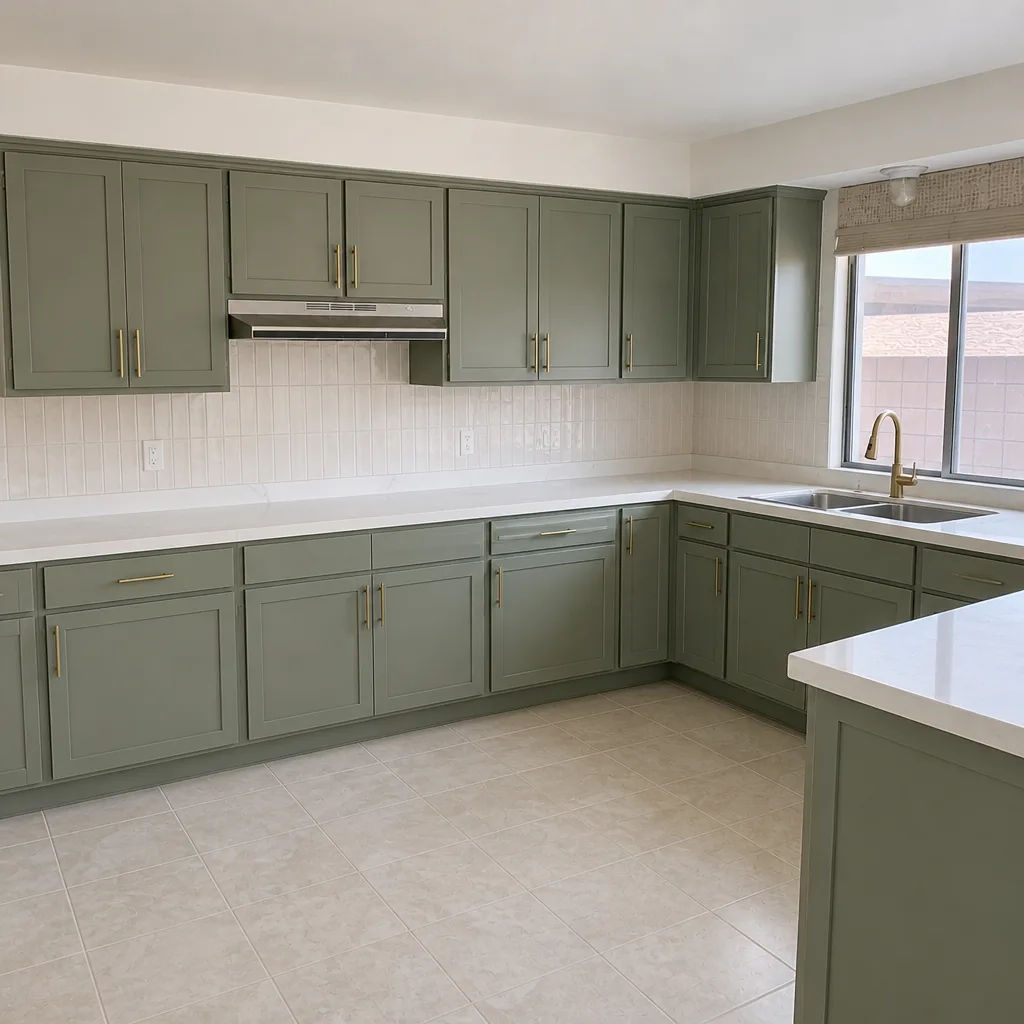
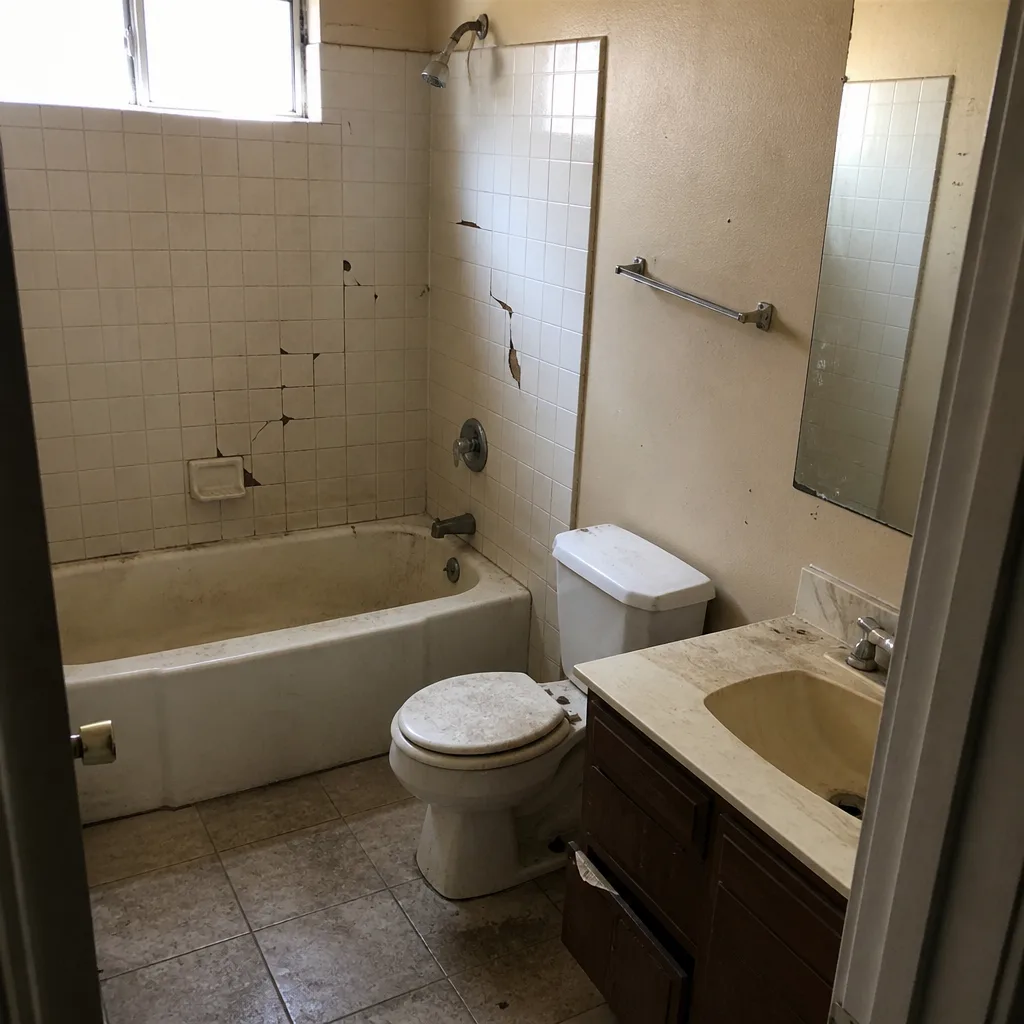
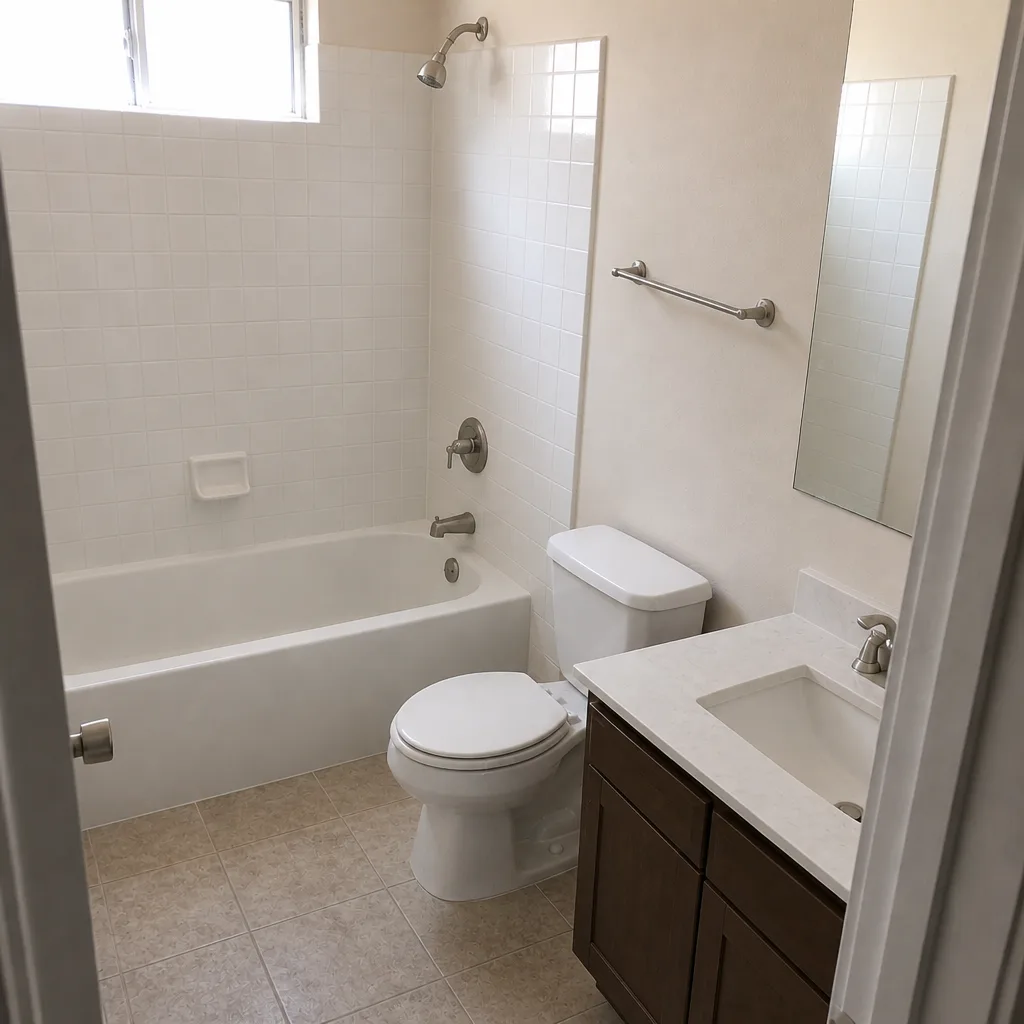
See the difference
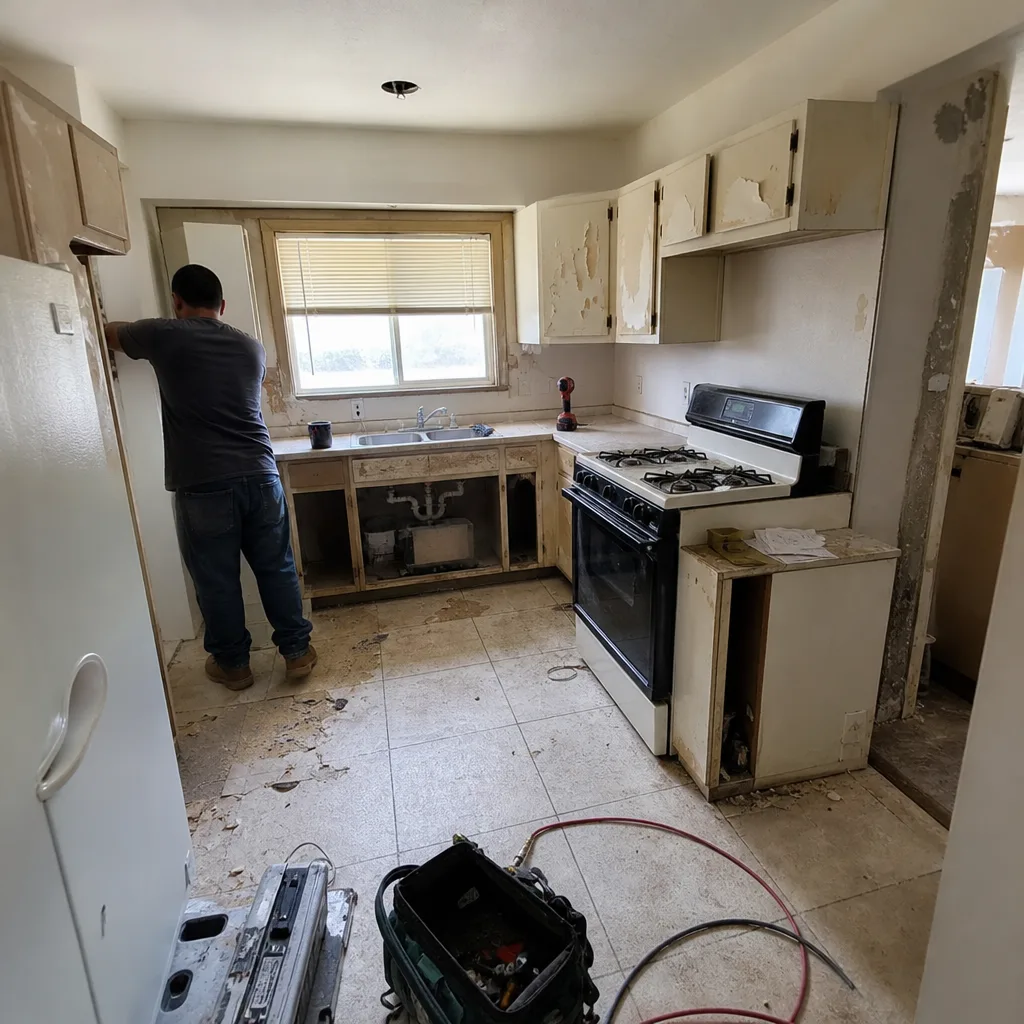 Before
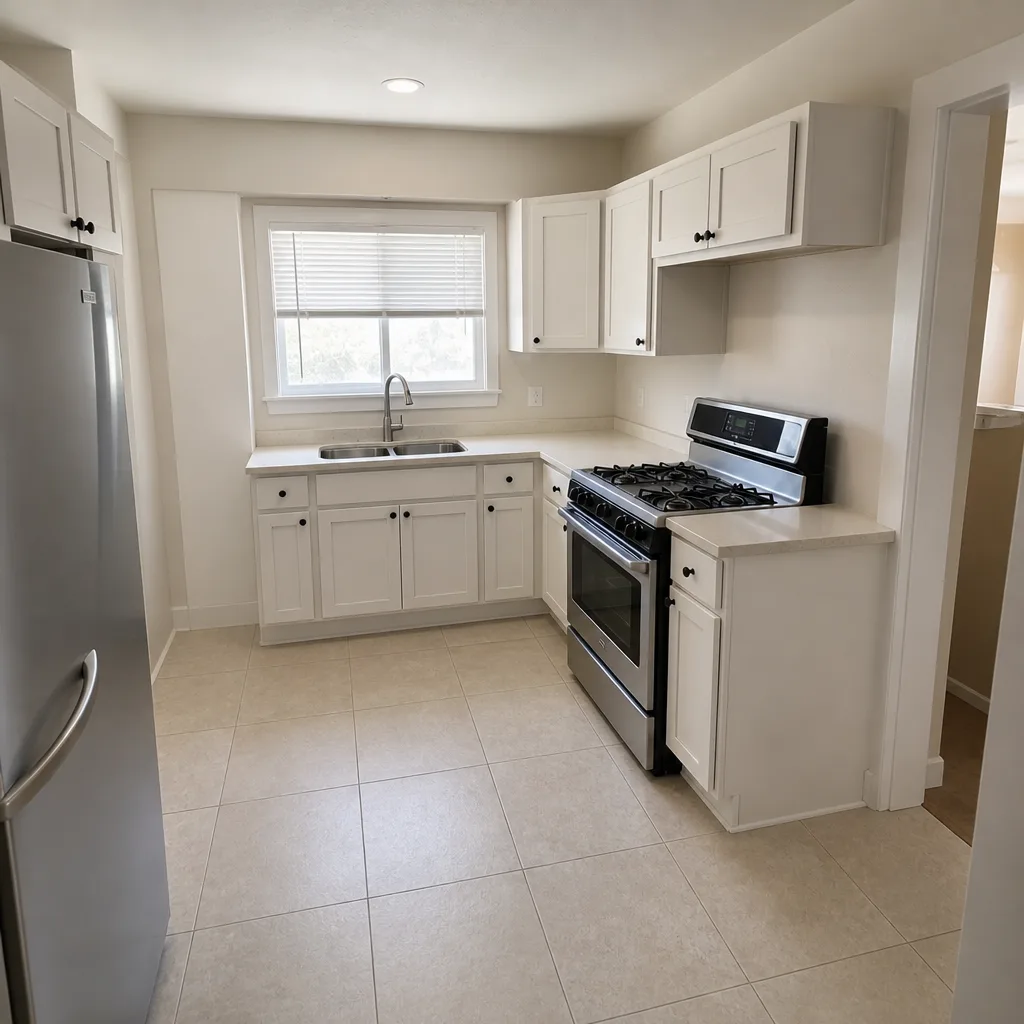 After
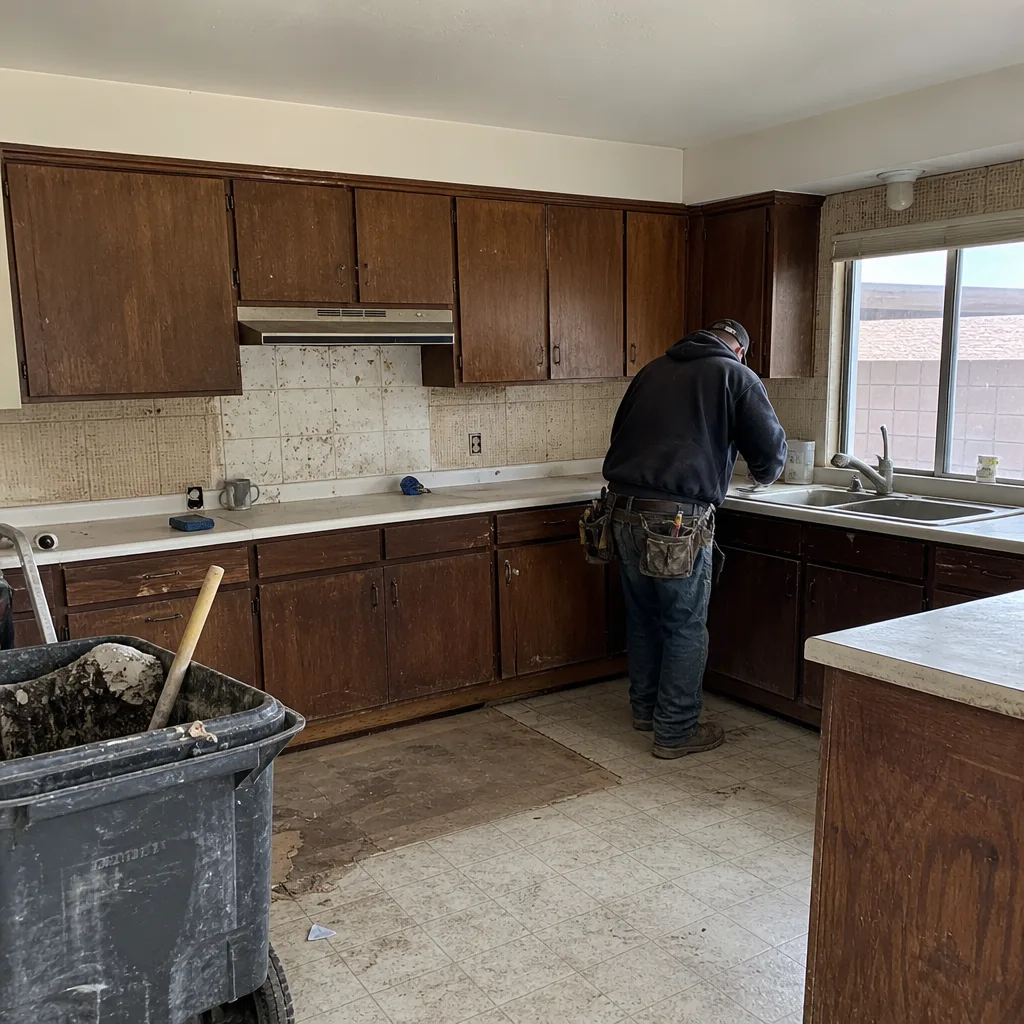 Before
 After
 Before
 After
When to Call a Professional
Most of this checklist you can do yourself with a flashlight, a camera, and a notebook. But some of it needs a trained eye. Call a professional when a stucco crack is wider than a quarter inch, when it runs horizontal near the base of a wall, or when it’s clearly growing between photos. Call when a ceiling stain appears after a storm, because water that got in during the monsoon often needs more than a patch. Call when a water heater shows rust at the fittings, or when an HVAC or cooler problem returns after a service. And call before any work that opens a wall or touches plumbing, so the scope and the price are clear in writing. Elmstead Remodeling Boulder City offers free estimates in Boulder City. Call (855) 552-7882 and a live person will answer.
Frequently Asked Questions

Twice a year: once in spring for water-related and cooling-system checks, and again in late spring before the July monsoon for roof and flashing. Boulder City’s hard water and monsoon rain make the two-pass schedule more useful than a single annual check. Call (855) 552-7882 if a walkthrough turns up something you’d like quoted.
It’s causing real, slow wear. At 300 to 400 parts per million, Boulder City’s water scales grout, stiffens caulk, and wears out water-heater anode rods faster than in softer-water markets. The damage is gradual, which is why it’s easy to miss until a repair becomes a replacement. Call (855) 552-7882 for a free estimate if you’re facing a larger fix.
Hairline cracks under about 1/16 inch are cosmetic. Cracks wider than a quarter inch, horizontal cracks near the base of a wall, or stair-step cracks that are growing are worth a professional look. Photograph the crack with a date so you can tell whether it’s changing. Call (855) 552-7882 if you’d like someone to assess it.
Late spring, before the July-to-September monsoon. Checking in fall means the storms have already tested your flashing. Look at every penetration, the wall-to-roof transitions, and the attic underside for stains. Call (855) 552-7882 for a free estimate on repairs.
Not necessarily. A well-maintained evaporative cooler suits the dry desert air and costs less to run. Refrigerated air gives steadier comfort through the hottest weeks and doesn’t rely on pads and water. The right choice depends on the house and how you use it, which is a good conversation to have before a cooling-season service. Call (855) 552-7882 to talk it through.
You get a written price before any work starts. Our no-hassle upfront pricing means the number you approve at the start is the number you pay, with no estimate that grows after the crew arrives. That written price is included on every project. Call (855) 552-7882 for a free estimate.
The Bottom Line
Maintaining a Boulder City home comes down to a handful of habits built around this place specifically: watch the hard water, read your stucco cracks by category, time roof and flashing checks to the monsoon, and switch over your cooling system right. Do the twice-a-year walkthrough, keep dated photos, and write down what you find. That record is what turns a vague worry into a clear scope, and a clear scope into a written price before any work begins. When it’s time to fix something bigger, a General Contractor in Boulder City can pick up right where your notes leave off.
Our technicians have up to 21 years of experience reading exactly these patterns in desert homes. Every project is governed by the Cedarwell Care Promise: shoe covers and drop cloths inside the house, the written price before any work starts, a photo of the clean-up before the crew leaves, quiet tools during family rest hours where possible, and pet-safe product choices where there’s a choice. The 365-Day Done Right Promise covers every completed project, so if something isn’t done right, we make it right. Background-checked, uniformed technicians arrive on every job, and when you call, a live person answers.
If your checklist has grown into a project, start with a free estimate. Call (855) 552-7882 and we’ll walk through what you’ve documented, give you a written price before any work starts, and show you how a remodeling team that treats your home like a home works from the first visit. You can also learn more about the team at our Elmstead Remodeling Boulder City home page.
Written by the team at Elmstead Remodeling Boulder City.