Last updated November 17, 2026

Free written scope consultation - allowances, timeline, and change-order rules on paper before a single trade is scheduled
Construction Cost Breakdown: The Boulder City Homeowner’s Reference for 2026
The national average for a kitchen remodel is widely cited at $27,000. In Boulder City, the same 200-square-foot scope routinely lands between $38,000 and $52,000 once you account for Clark County’s labor market, the desert-rated materials that actually survive here, and the permit fees the city charges before a shovel hits the ground. None of that gap is padding. It’s real line items, and most homeowners don’t see them until the bid arrives. This guide puts those numbers on the table so you can build a budget that holds up before you talk to a single contractor.
Quick Answer
Most Boulder City residential projects in 2026 fall into these ranges: a bathroom remodel runs $22,000 – $45,000, a kitchen remodel $38,000 – $52,000 for a standard 200-square-foot layout, a room addition $180 – $320 per square foot, and a roof replacement $14,000 – $26,000 depending on pitch and material. Labor in Boulder City typically runs 10 – 20% above the national median, and desert-rated exterior materials add a small premium up front that pays back over the product’s life.
Styles & brands we work with
- Kitchen remodeling
- Bathroom remodeling
- Home additions & ADU
- Roofing
- Windows & doors
- Driveway & pavers
- Fence
Table of Contents
- What Do Trades Cost in Boulder City in 2026?
- Why Desert-Rated Materials Cost More Up Front
- Boulder City Permit Fees for Common Projects
- How to Read a Contractor Bid
- Phasing a Project vs. One Mobilization
- Building a Realistic Budget, Step by Step
- What a Careful Crew Protects
- What a Written Price and a Warranty Actually Cover
What Do Trades Cost in Boulder City in 2026?
Boulder City sits in a labor market shaped by Las Vegas’s construction demand just 25 minutes away, but with a shallower local pool of licensed trades. That combination pushes rates above the national median. Here’s what we see across the trades that show up most in Boulder City homes:
- Framing: $95 – $140 per linear foot for structural work; $75 – $110 for non-structural partitions. Framing crews travel in from Henderson and Las Vegas, and travel is baked into the bid.
- Tile: $12 – $22 per square foot installed, floor and wall. Historic homes downtown often have out-of-square walls that add labor; nobody quotes that on the phone.
- Electrical: $110 – $165 per hour for a licensed electrician, with a 3 – 4 hour minimum on most service calls. Panel work runs higher.
- Plumbing: $120 – $180 per hour. A repipe in a 1,400-square-foot Boulder City home runs $7,500 – $14,000, and hard water is often the reason.
Why the spread? Clark County licensing, bonding, and insurance requirements are stricter than many states, and the cost of carrying that compliance shows up in hourly rates. Add the distance from supply houses on the valley floor and you get a market that runs 10 – 20% above the national median for the same scope. We’ve found this is the single biggest source of budget whiplash for families moving here from California or the Midwest. The numbers aren’t inflated. They’re local.
Why Desert-Rated Materials Cost More Up Front
Boulder City gets roughly 300 days of sun a year, summer highs above 105°F, and a UV load that destroys standard exterior products in a fraction of their rated life. Upgrading to desert-rated materials adds 8 – 18% to the material line, and it’s the best value in the whole budget.
- Elastomeric stucco: $14 – $22 per square foot, versus $9 – $13 for standard three-coat. Elastomeric flexes through the thermal cycling that cracks standard stucco within five summers.
- Low-E glass: $35 – $65 per square foot premium over standard dual-pane. In Boulder City a west-facing single-pane window can push a room past 90°F on its own. Low-E cuts the solar heat gain and takes pressure off the air conditioner.
- Moisture-resistant drywall: $0.60 – $1.10 per square foot premium in baths and laundry rooms. Evaporative coolers and hard water leaks are both common here, and standard drywall in a wet zone is a five-year problem.
- UV-stable exterior paint: $55 – $80 per gallon versus $30 – $45. Standard acrylics chalk and fade within three years on a south-facing wall.
The same logic applies to doors and fencing. Therma-Tru entry systems hold their finish far longer under this sun than builder-grade doors, and powder-coated Barrette or Master Halco fencing and railing products resist the fade that galvanized steel shows after a couple of seasons. Those aren’t brand names for their own sake. They’re products with published warranties you can look up before you sign anything.
Boulder City Permit Fees for Common Projects
Boulder City issues residential permits through its Community Development Department, and the fees are not trivial. Budget for them separately, because they don’t go in the contractor’s pocket and they aren’t always mentioned in a verbal quote.
- Room additions: Permit fees commonly land in the $1,200 – $3,500 range for a 300 – 500 square foot addition, scaling with valuation. Plan review can add another $400 – $900.
- Kitchen remodels: $350 – $1,100 when plumbing or electrical is relocated. A finish-only swap with no moving of services often needs no permit at all.
- Bathroom remodels: $250 – $850. Any change to the drain location or a new fan vent through the roof requires one.
- Roof replacements: $180 – $550, and Boulder City requires a permit for a full tear-off, not just a repair.
One thing that surprises people: Boulder City has its own historic district, and exterior work downtown can trigger additional review that a standard permit doesn’t. If your house is in the older core, ask the contractor whether they’ve pulled a permit in that district before. Permit fees plus the inspections they trigger are the reason we put the permit line in writing before any work starts, on every project. Pulling permits and passing inspections is part of the job, not a favor.
How to Read a Contractor Bid
Two bids for the same job can differ by $9,000 and both be “honest.” The difference is almost always what’s missing from the lower one. Before you compare totals, read each bid line by line and check for these items:
- Disposal. Tear-out debris has to leave the property. Removal and landfill fees run $600 – $1,800 for a kitchen or bath. A bid without a disposal line is planning to add it later as a change order.
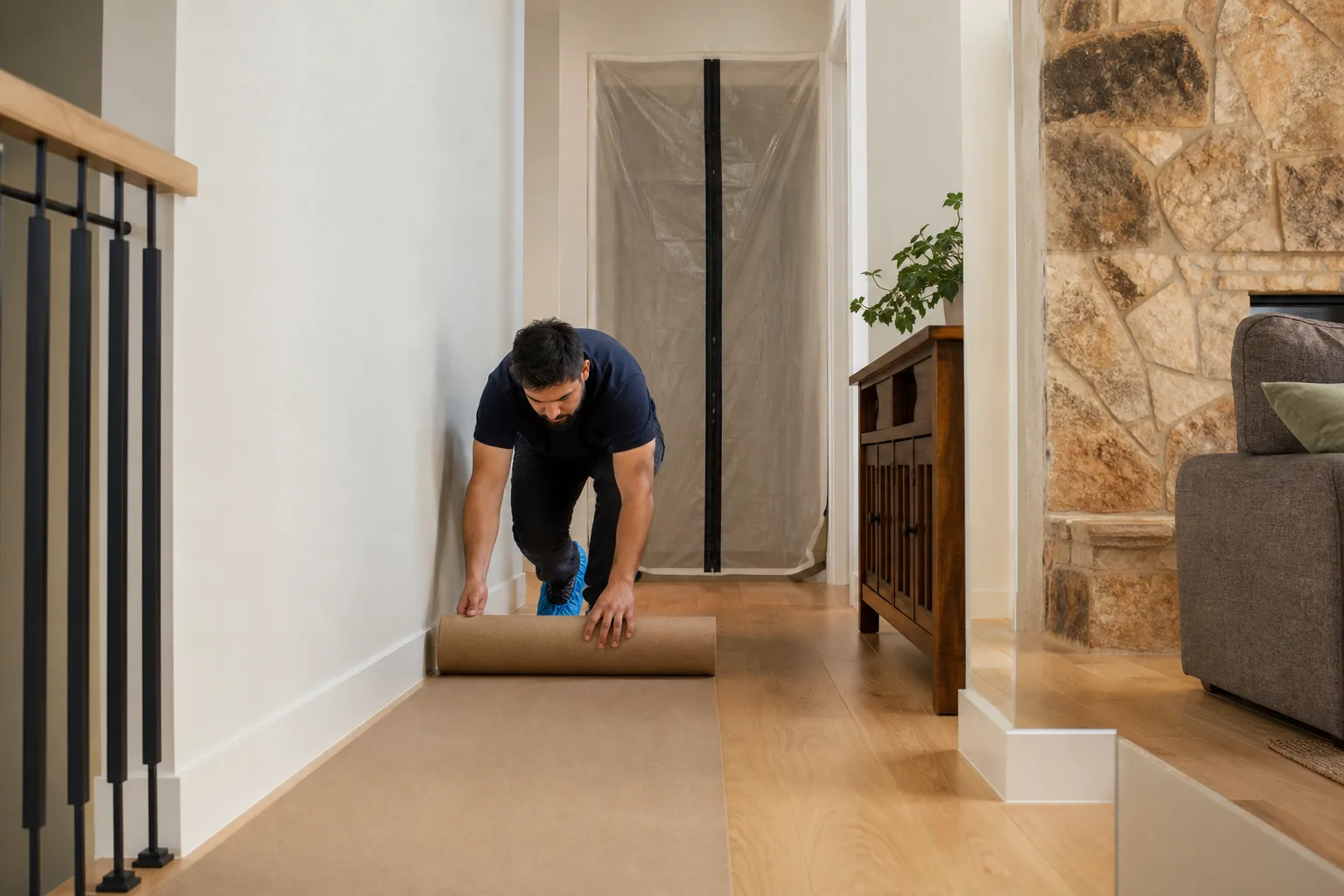
- Temporary protection. Drop cloths, plastic sheeting, shoe covers, floor protection. On a real job this is a line item with a cost. If it isn’t there, nobody’s protecting anything.
- Dumpster placement. A 20-yard dumpster in Boulder City runs $450 – $750 for the rental, plus possible permit costs if it sits on the street. Ask where it goes.
- Permit fees. Listed separately and paid to the city. If a bid says “permits included” with no number, ask for the number.
- Allowances. A “$6,000 allowance for cabinets” tells you nothing until you know what that buys. Ask for a specific cabinet line so you can compare apples to apples.
- Final cleaning. A bid that doesn’t mention it is planning to leave the dust for you.
Our rule is simple: you get a written price before any work starts, every time. If a bid has gaps, those gaps become your problem at the worst possible moment. When you’re ready to see what a complete, line-itemed bid looks like for your project, our general contractor in Boulder City can walk you through one without pressure.
Phasing a Project vs. One Mobilization
Plenty of Boulder City families split a whole-home remodel into phases to spread out the cost. That’s a reasonable instinct, and it carries a real price tag.
Here’s how it adds up. A bathroom remodel and a kitchen remodel done in one mobilization share one permit cycle, one dumpster, one protection setup, and one crew mobilization. Split them across two projects a year apart and you pay for all of those twice. On a recent phase comparison in Boulder City, splitting a kitchen and bath into two projects added roughly $4,000 – $7,000 in setup, dumpster, permit re-issue, and re-protection costs, before you count the disruption of a second round of six weeks.
There are good reasons to phase. If you’re doing a whole-home remodel across four rooms, no family with young kids wants to live through all of it at once. And a phased whole-home project lets you learn the crew’s habits on a smaller job first. That’s a legitimate trade-off. Just budget the duplication knowingly: add 8 – 12% to the total phased cost over the single mobilization figure so the number on the page matches reality.
Building a Realistic Budget, Step by Step
Most budget blowups happen before the first bid, when a family anchors to a national average that was never going to apply here. Build the number from the ground up instead:
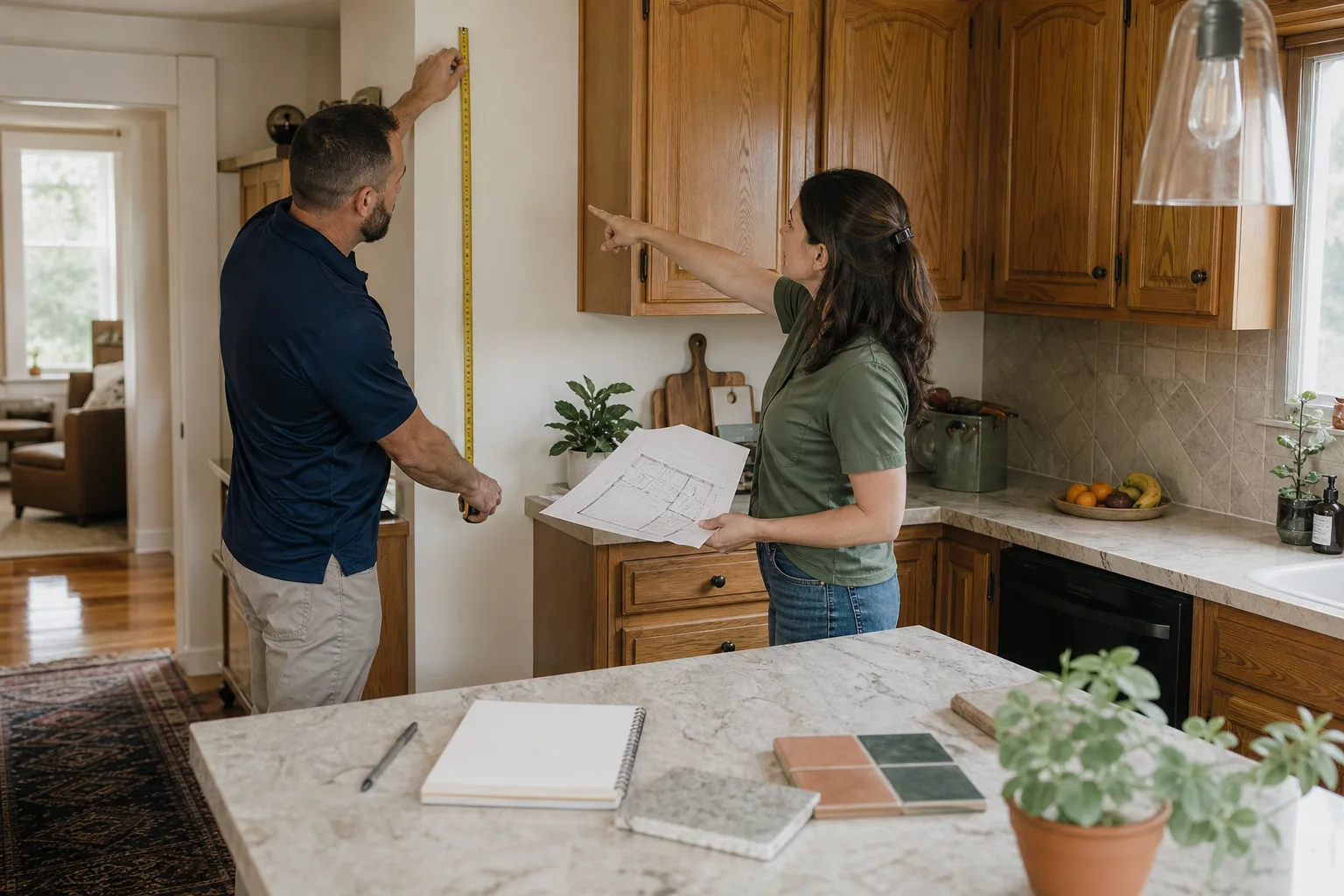
- Start with your scope, not a number. Write down every room and item you want touched. Additions, kitchens, baths and whole-home projects carry very different cost drivers, and mixing them into one vague number is how surprise begins.
- Add the local labor premium. Take any national estimate and add 10 – 20% for Clark County labor rates.
- Add the desert-rated material premium. Add 8 – 18% to the material line for stucco, glass, drywall in wet zones, and exterior paint.
- Add permit and inspection fees. Pull the current fee schedule for your project type, or ask a contractor to include the permit line in writing.
- Hold a contingency. Set aside 10 – 15% for what’s behind the drywall. Plenty of houses in the older parts of Boulder City have the kind of surprises that aren’t visible until demo day, and a contingency is what keeps a discovery from stopping work.
- Compare complete bids, not totals. A lower total with missing disposal and protection lines isn’t cheaper. It’s incomplete.
Do this and the number you carry into a contractor conversation will survive contact with reality. For project-specific ranges on your home, our bathroom remodeling in Boulder City and kitchen remodeling in Boulder City pages break down the line items room by room.
What a Careful Crew Protects
A construction budget includes more than materials and labor. If you have kids and pets in the house during a remodel, how the crew manages the space determines whether you can actually live there while the work happens.
- Shoe covers and drop cloths on every visit, so desert dust and job-site grit stay off your floors.
- Quiet tools scheduled around nap times and school pickup wherever the sequence allows it. Some tools run loud and can’t be silenced, but some can move to a different hour, and we look for those.
- Pet-safe product choices where a real choice exists, so a curious dog isn’t exposed to something the label warns about.
- A quick ask before anything gets moved. A crew that relocates furniture without warning is a crew that will move the wrong thing.
- Clean-up confirmed with a photo before anyone leaves, so you know the state of the house the moment you walk in.
We’ve found these habits are also a decent test of a contractor. Ask, before you sign, how the crew handles protection, pets, and quiet hours. A vague answer usually means nobody has thought it through. Detailed habits up front are what families in Boulder City actually get: shoe covers and drop cloths, a quick word before anything moves, and a photo of the cleanup on the way out.
What a Written Price and a Warranty Actually Cover
A written price is protection. It means the number you agreed to is the number you pay. “Estimates” have a way of growing once the crew arrives and the first surprise shows up. When you get everything in writing before work starts, change orders are for genuine discoveries, not for gaps in the quote.
A warranty is the other half. Named-brand materials come with manufacturer warranties you can look up independently: KraftMaid and Wellborn cabinets, Cambria and Silestone countertops, Kohler, Moen and Grohe fixtures, James Hardie and GAF exteriors. Those warranties travel with the finished project, and you can verify them yourself rather than take a contractor’s word for it. Our own 365-Day Done Right Promise sits on top of that: if it’s not done right after the job is complete, we make it right. Ask what happens to a warranty if the contractor disappears; the answer should be that the manufacturer still honors it, because the product is real and the paperwork is real.
For the full picture of how these promises apply to a whole-home scope, the Elmstead Remodeling Boulder City home page is the place to start.
Common Mistakes to Avoid
- Anchoring to national averages. A $27,000 kitchen number from a national site won’t build a kitchen in Boulder City. Local labor rates are 10 – 20% higher, and the quote has to reflect that.
- Choosing standard materials to save money. Standard stucco and standard exterior paint fail early under this sun. The 8 – 18% desert-rated premium is cheaper than redoing the exterior in five years.
- Skipping the contingency. Houses in the older parts of Boulder City hide plumbing and framing surprises behind the drywall. A 10 – 15% contingency is what keeps a surprise from stopping the job.
- Comparing bids on the bottom line alone. A bid missing disposal, protection, and dumpster lines looks cheaper until the change orders arrive. Compare line for line.
- Forgetting permit fees entirely. City fees on an addition can run $1,200 – $3,500 plus review. If it wasn’t quoted, it’s a surprise waiting to happen.
- Assuming a quote is a price. An estimate is a guess. A written price before any work starts is the real protection.
- Not asking about cleanup and protection. Families with kids and pets need to know who’s protecting the floors and what the crew’s cleanup looks like before they sign, not after.
See the difference
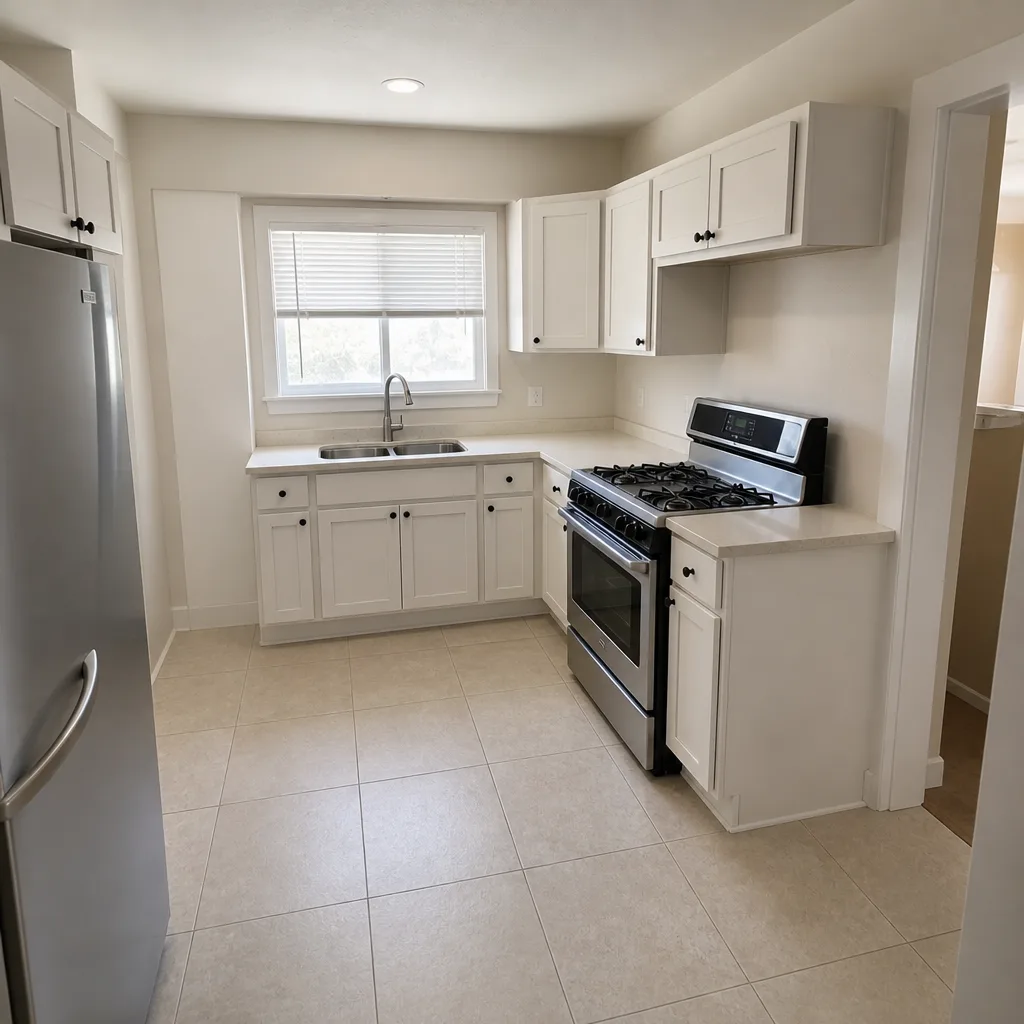
 Before
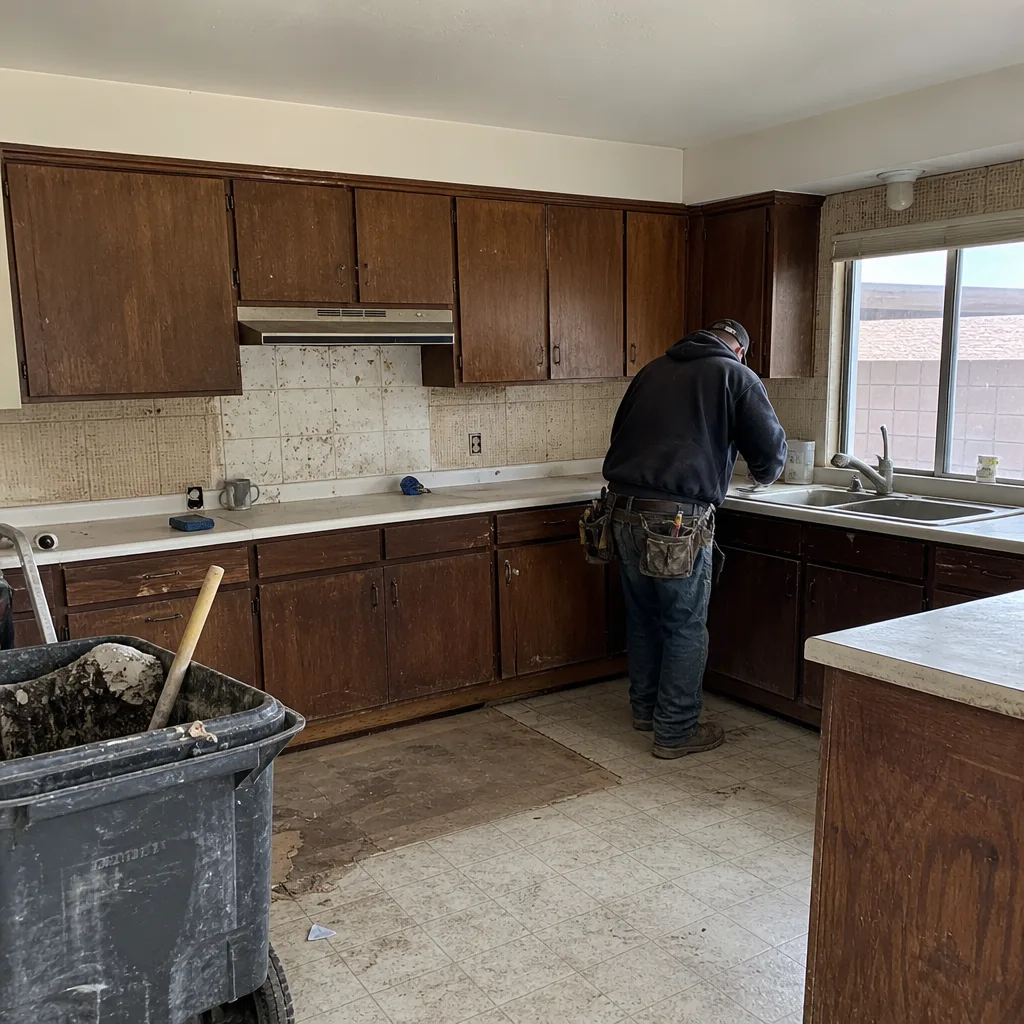
 After
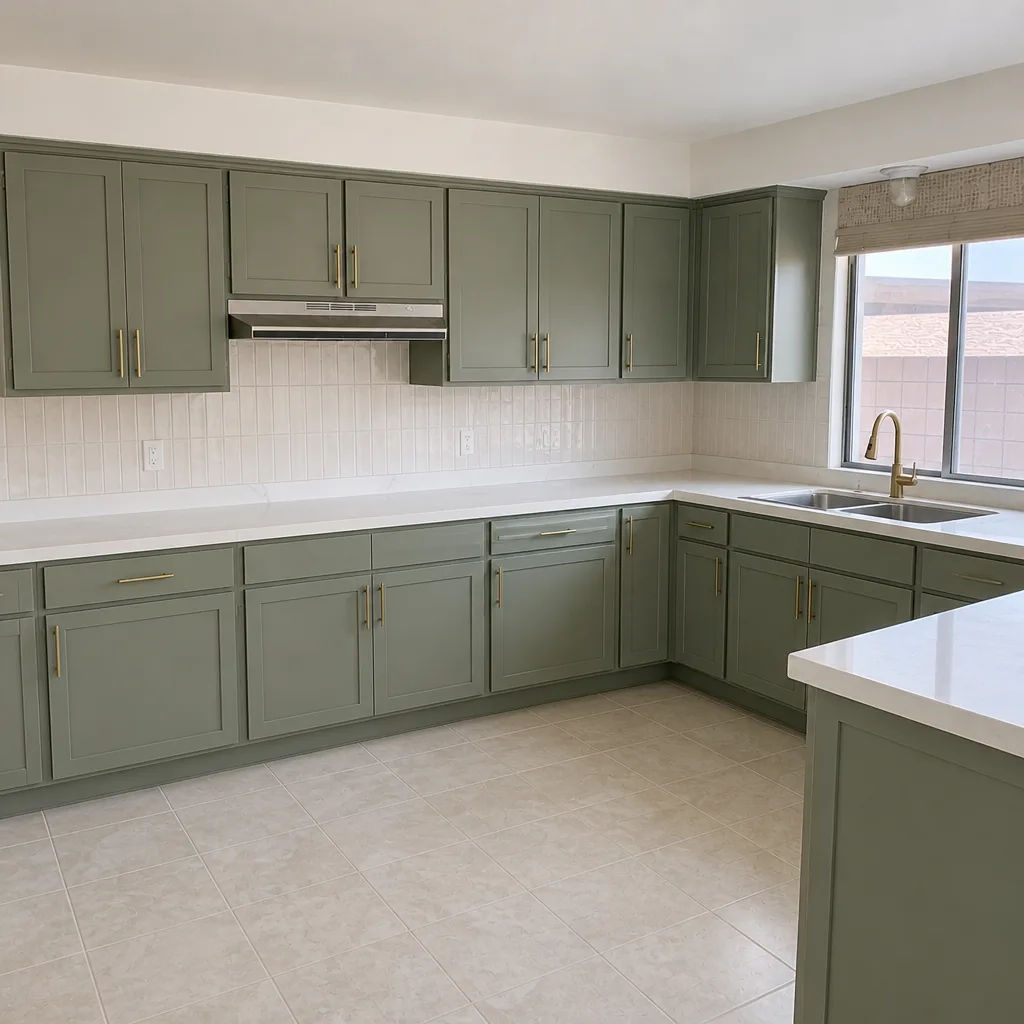
 Before
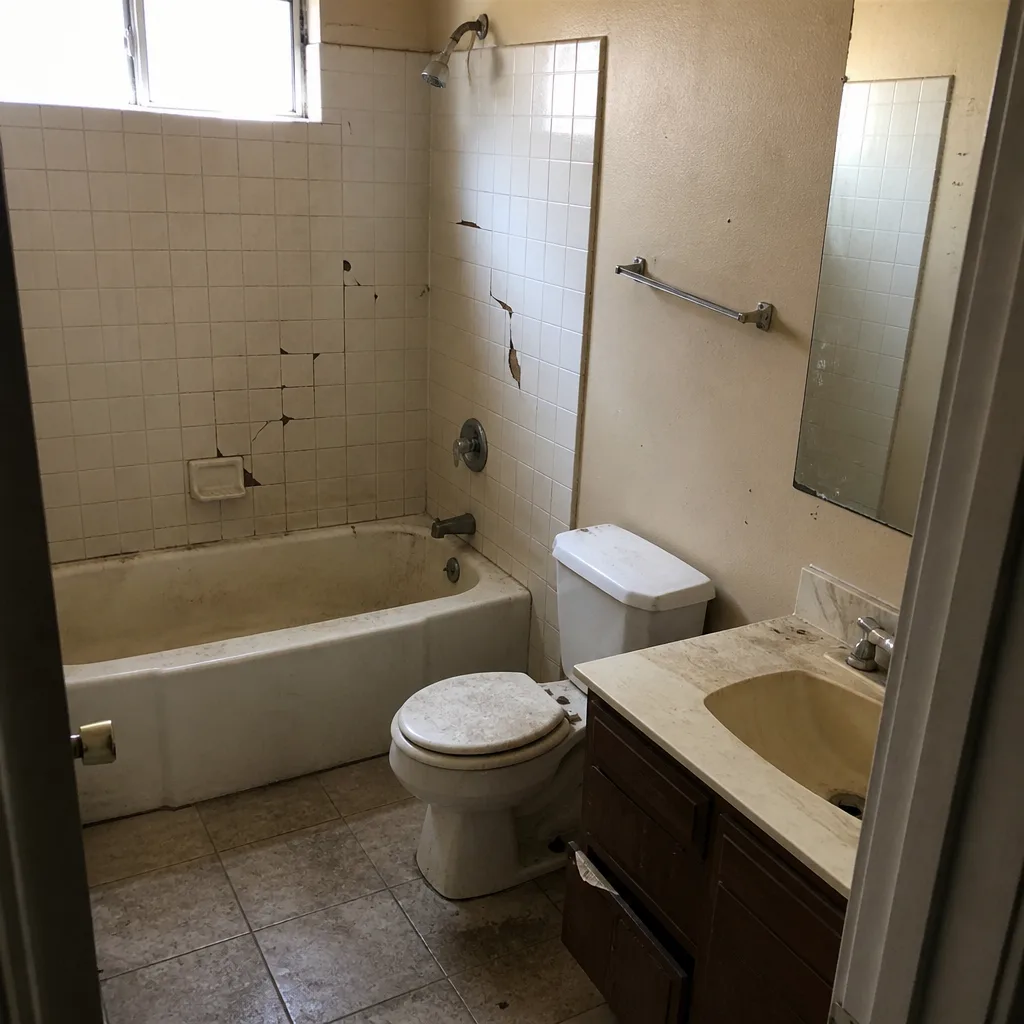
 After
 Before
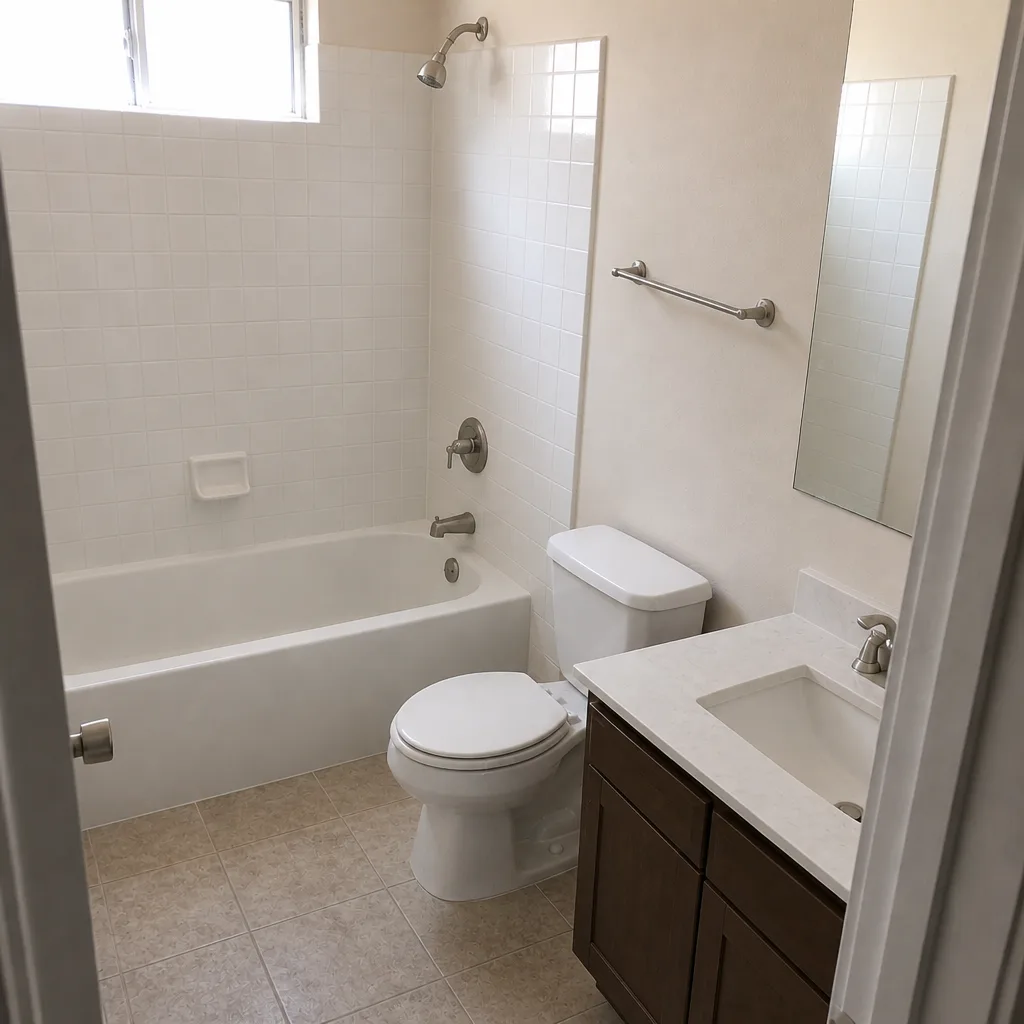 After
When to Call a Professional
Some work around a Boulder City home is fine to do yourself. Moving furniture, painting a bedroom, changing a light fixture. Beyond that, the line gets clear. Anything that touches the electrical panel, gas lines, structural framing, or a roof at pitch isn’t a weekend project, and the risk isn’t worth it. A panel change or a gas line in the wrong hands can go badly in seconds, and steep-roof work is a fall risk no YouTube buffer fixes.
Permit work also belongs with a licensed professional. Boulder City requires permits for additions, roof tear-offs, and any bathroom or kitchen work that relocates plumbing or electrical, and pulling them is a contractor’s job. If your project involves more than one trade, or if the scope keeps growing every time you look at it, that’s the point to call. Elmstead Remodeling Boulder City offers free estimates in Boulder City – call (855) 552-7882, and you’ll reach a live person any hour, not a voicemail box.
Frequently Asked Questions
A standard 200-square-foot kitchen remodel in Boulder City runs $38,000 – $52,000 in 2026, considerably above the widely quoted national average of $27,000. The difference is Clark County labor rates 10 – 20% above the median, desert-rated materials, and city permit fees. Call (855) 552-7882 for an exact quote – estimates are free.
Not if you have a written price before any work starts, which is what we provide on every project. The number is fixed, and change orders are reserved for genuine concealed discoveries like old plumbing that can’t be seen until demo. If a contractor quotes “estimates” rather than a written price, expect movement. Call (855) 552-7882 to see a written, line-itemed price.
Yes. Every Boulder City project that requires a permit gets one pulled and all required inspections passed before the job is closed out. Boulder City’s Community Development Department requires permits for additions, roof replacements, and any remodel that moves plumbing or electrical. Permit fees are listed separately in the bid so you see exactly what the city charges. Call (855) 552-7882 for a free estimate.
A bathroom remodel typically takes three to five weeks, a kitchen six to ten weeks, and a room addition ten to sixteen weeks. Permit review through the city adds one to four weeks before work can start, and older homes in Boulder City’s historic core sometimes add review time. Call (855) 552-7882 and we’ll map out a realistic schedule for your project.
Yes, if the work moves a drain, adds electrical circuits, or vents a new fan through the roof. A finish-only update, like new tile and paint in the same footprint, often needs no permit. When in doubt, a quick call to the city settles it. Call (855) 552-7882 for a free estimate and we’ll help you sort out whether your project needs one.
Three reasons stack up: Clark County’s stricter licensing and insurance requirements raise raw labor costs 10 – 20%, desert-rated materials add 8 – 18% on the material line, and city permit and inspection fees are a separate cost that national averages leave out entirely. A realistic budget builds in all three. Call (855) 552-7882 for a free estimate built on local numbers.
The Bottom Line
Boulder City construction costs in 2026 run above national averages for three specific reasons: local labor rates, desert-rated materials, and city permit fees. None of them are negotiable, and all of them are visible in a complete bid. Build your budget from your scope, add the 10 – 20% labor premium and 8 – 18% material premium, include permit fees, hold 10 – 15% for surprises, and compare bids line for line rather than on the bottom total. Then insist on a written price before any work starts. That single habit does more for your budget than any negotiation.
Contact
Building a budget you can actually plan around starts with a real quote. Elmstead Remodeling Boulder City offers free estimates on every project: general contracting, bathroom remodeling, kitchen remodeling, and whole-home remodeling. Call (855) 552-7882 to schedule your free estimate, and a live person will answer, day or night. You’ll get a written, line-itemed price before any work starts, shoe covers and drop cloths on every visit, quiet tools during your family’s rest hours, and a photo of the cleanup before the crew leaves – all backed by the 365-Day Done Right Promise.
Written by the team at Elmstead Remodeling Boulder City.