Last updated November 17, 2026








Free written scope consultation - allowances, timeline, and change-order rules on paper before a single trade is scheduled
General Contractor Warning Signs Every Homeowner Should Know
The contractor who offers the lowest bid and can start next Monday is often the one who skips permits. Not because he’s crooked, necessarily, but because pulling a permit in Boulder City requires a license number the building department can verify, and not every bidder has one. That single detail explains more bad remodels than any other. This guide covers the procedural omissions that actually predict trouble: no written price, no permit discussion, no named subcontractors, no workmanship warranty in writing. You’ll learn how to verify a Nevada license in under two minutes, which contract clauses protect you from material cost surprises, and how to spot a bait-and-switch bid before you sign anything.
Quick Answer
The biggest general contractor red flags are procedural, not dramatic: no written price before work starts, no permit discussion, refusal to name subcontractors, a warranty that’s only verbal, and a bid that’s suspiciously low with vague scope. Any one of these is a reason to slow down. Two or more together is a reason to walk. In Boulder City, where the building department verifies licenses at permit intake, those omissions tend to surface fast.
Styles & brands we work with
- Kitchen remodeling
- Bathroom remodeling
- Home additions & ADU
- Roofing
- Windows & doors
- Driveway & pavers
- Fence
Table of Contents
- How do you verify a Nevada contractor license?
- Why does a written price before work matter so much?
- Why won’t they name their subcontractors?
- Which contract clauses protect you from price escalation?
- How do you spot a bait-and-switch bid?
- What does a real workmanship warranty look like in writing?
- What does a permit conversation tell you?
- Common mistakes to avoid
How do you verify a Nevada contractor license?
You can verify a Nevada contractor license in about two minutes using the Nevada State Contractors Board lookup tool. Go to the NSCB website, enter the license number or the company name, and read the record. It’s free and it’s public, and it should happen before you sign anything.
Here’s what to check, in order:
- Status. The license should read active, not expired, suspended, or revoked. A revoked license with a fresh LLC name behind it is a serious warning sign.
- Classification. Nevada licenses are classified by trade and by dollar limit. A general building contractor classification covers the kind of whole-home and structural work a remodel often needs. A specialty license may cover only part of your project.
- Monetary limit. The record shows the maximum single project value the license allows. If your kitchen remodel exceeds that limit, the contractor legally cannot take the job as written.
- Complaints and disciplinary actions. The record lists them. Read the most recent three or four. Patterns matter more than a single old complaint.
- Qualifying party. Every Nevada license has a named qualifier who passed the trade exam. That person’s name should match someone involved in your project, not a stranger the company rented a license from.
We’ve watched homeowners in Boulder City skip this step because a bid felt friendly and the price was right. Friendliness isn’t a credential. The lookup takes less time than a phone call, and it’s the single highest-value two minutes in the entire hiring process. Our General Contractor in Boulder City page covers what a properly documented project looks like from the first visit, and every job we take is quoted in writing before anything is ordered or torn out.
Why does a written price before work matter so much?
A written price before work starts is the difference between a project and an open-ended negotiation. When the number lives only in a conversation, the contractor controls every adjustment after the crew arrives. When it’s written and signed, you do.
A verbal estimate creates three specific problems:
- Scope creep without a paper trail. “We didn’t include the subfloor in that number” becomes a change order you can’t argue against, because there’s nothing to point at.
- Material substitution. The verbal quote said KraftMaid cabinets. The truck delivers an unmarked brand with no manufacturer warranty you can look up. Without a written line item naming the cabinet line, you have no claim.
- Payment timing pressure. Verbal deals tend to collect deposits before drawings or permits exist. A written proposal lays out draw schedules tied to completed milestones, which keeps money and progress in step.
A legitimate written price includes line items for labor, materials by brand, permits, and disposal. It names the cabinet maker, the countertop surface, the fixture brands, and the exterior product. If your proposal says “cabinets: allowance” and nothing else, ask what brand and which line. You should be able to research every named product independently, including its manufacturer warranty, before you sign. That’s the standard we hold ourselves to: a written price before any work starts, every time, on every project, with named brands like KraftMaid, Cambria, and Moen spelled out so the family can verify them. Our Kitchen Remodeling in Boulder City page shows how those line items look in a real proposal.
Why won’t they name their subcontractors?
If a contractor won’t name their subcontractors before work starts, treat it as a financial risk, not just a communication gap. Subcontractors are the people who actually do tile, electrical, plumbing, and drywall. Who they are, whether they’re licensed and insured, and whether they’ve been paid determines whether your project finishes clean.
The scenario plays out predictably. A general contractor brings in a tile sub who isn’t licensed for the trade, or who is licensed but hasn’t been paid on the last three jobs. The sub finishes your shower, doesn’t get paid, and files a mechanics lien against your property. In Nevada, a subcontractor or supplier who isn’t paid can place a lien on the home even though you paid the general contractor in full. That’s not a communication problem. It’s your equity on the line.
What a real answer looks like:
- A written list of every subcontractor by company name and license number, given to you before work begins.
- Proof of each sub’s liability insurance and workers’ compensation coverage.
- A statement that the general contractor pays subs directly and on schedule, and that lien waivers will be collected at each draw.
- Conditional lien waivers signed by each sub and supplier as part of the payment process, so you have documentation that nobody is left unpaid.
If a contractor says “we handle all that internally” and won’t put names on paper, ask why. There’s no good answer. We name the trades on every Boulder City project and hand over the license numbers before demolition day, because a family that knows who’s coming through the door can plan for it.
Which contract clauses protect you from price escalation?
The contract clauses that protect you from price escalation are the ones that lock materials pricing, define what counts as a change order, and set a written approval process before any added cost. Without them, a lumber or cabinet price swing lands on your invoice.
Look for these clauses, in these words:
- Fixed material pricing with an expiration date. The contract should state that material prices are locked for a defined window, and what happens if the project runs past it. Vague language like “prices subject to market conditions” transfers all risk to you.
- Change order definition and approval. A change order should require your written signature before the work is performed, with a stated price for that specific change. No verbal approvals, no “we’ll settle up at the end.”
- Allowance caps. If the contract uses allowances for tile, fixtures, or countertops, each allowance needs a dollar cap and a written process for what happens when the selection exceeds it.
- Contingency disclosure. Some contracts bury a 10 to 15 percent contingency that gets spent without itemization. Ask directly whether a contingency exists and how it’s drawn down.
- Payment schedule tied to milestones. Draws should release at named completion points, not on a calendar. A schedule that collects most of the money before cabinets arrive gives you no leverage.
Material volatility is real in southern Nevada, especially with cabinet and exterior products that ship from out of state. The point isn’t to eliminate price changes. It’s to make sure every one of them is written, itemized, and approved by you before the crew touches a tool. If your proposal doesn’t address escalation, ask for a clause that does.
How do you spot a bait-and-switch bid?
A bait-and-switch bid shows up in the initial proposal as a low number attached to a scope so thin it can’t possibly cover the work. The low price isn’t the lie. The missing scope is. Change orders make up the difference later, after you’re committed and the walls are open.
Here’s how to catch it before you sign:
- Count the line items. A real bathroom remodel proposal has dozens of lines: demo, framing repair, plumbing rough-in, waterproofing membrane, tile by name, grout, fixtures by brand, vanity, mirror, paint, trim, permit, disposal. A bid with eight lines and a total is hiding scope.
- Look for the word “allowance” without a number. An allowance with no dollar figure is a placeholder for a change order.
- Check what’s excluded. Exclusions buried in fine print (“does not include subfloor repair, drywall patching, or final paint”) are where the real cost lives.
- Compare apples to apples. Take the two lowest bids and put them side by side, line by line. If bid A includes waterproofing and bid B doesn’t, bid B isn’t cheaper. It’s incomplete.
- Ask what happens if the scope needs to grow. A straight answer names the change order process and gives a price for the most likely additions. A vague answer is the tell.
In our experience, the bid that wins on price alone is usually the one that grows the most after the drywall comes down. Water damage behind a Boulder City shower valve, or old galvanized plumbing in a mid-century home, shows up during demo and not before. A proposal that anticipates that honestly is worth more than one that pretends it won’t happen. Our Bathroom Remodeling in Boulder City page walks through what a fully scoped proposal includes.
What does a real workmanship warranty look like in writing?
A real workmanship warranty is a written document that names what’s covered, for how long, who honors it, and how a claim gets filed. A verbal promise to “stand behind our work” covers nothing, because there’s nothing to enforce and nobody to call in eighteen months when the tile grout cracks.
The written warranty should answer all of these:
- Duration and start date. A clear number of days or months, starting from project completion, not from the signing date.
- What’s covered. Workmanship defects: caulk failures, tile delamination, cabinet alignment, door operation, paint adhesion. Be clear that manufacturer warranties on products (KraftMaid cabinets, Cambria counters, Moen fixtures, James Hardie siding) are separate and travel with the product.
- What’s excluded. Normal wear, damage from misuse, water intrusion from outside the scope, and acts of nature. A warranty with no exclusions is a marketing claim, not a contract.
- How to file a claim. A phone number, an email, and a stated response window. If the document doesn’t say who answers and when, it’s not a warranty.
- Remedy. What the contractor will actually do: repair, replace, or credit. “We’ll make it right” needs a defined action behind it.
Our own commitment, the 365-Day Done Right Promise, is stamped on every completed project: if something isn’t done right after the job is complete, we make it right. It’s the longest-standing post-project commitment in our service area, and it’s in writing because a promise you can’t read isn’t a promise. Ask any contractor you interview to put theirs in writing too. If they won’t, that’s your answer.
What does a permit conversation tell you?
The permit conversation tells you whether your contractor is licensed to pull the work and willing to have the building department inspect it. In Boulder City, permit intake verifies the license number and classification against the NSCB record. A contractor who can’t pull the permit legally can’t pull it at all.
What to listen for:
- Which permits are needed. A bathroom or kitchen remodel that moves plumbing, electrical, or structural elements needs permits and inspections. A contractor who says “we don’t need a permit for that” on a job that clearly does is either wrong or unlicensed.
- Who pulls them. The contractor should pull the permit in their name, not ask you to pull it as the homeowner. Homeowner-pulled permits shift inspection responsibility onto you and can complicate resale.
- Who meets the inspector. The contractor should be on site for inspections and handle corrections. A contractor who asks you to be there for the inspection is transferring their job to you.
- What the inspection record shows. Legitimate permits and passed inspections show up in the public record. That record is the clearest evidence the work was done to code, and it matters when you eventually sell.
We pull permits and pass inspections on the projects that require them, and we walk families in Boulder City through what each inspection covers so there are no surprises. It’s also worth knowing that Boulder City’s older housing stock, much of it from the 1930s through the 1960s, regularly turns up wiring and plumbing that predates current code. That’s a reason to have permits and inspections, not a reason to avoid them.
Common Mistakes to Avoid
- Hiring on the strength of a friendly first meeting. Warmth is nice, but it’s not a license number. Verify the NSCB record before you shake hands on anything.
- Accepting a bid without reading the scope line by line. The low number usually hides what’s missing, and what’s missing becomes a change order at the worst possible moment.
- Skipping the subcontractor list. In Nevada, unpaid subs and suppliers can lien your home even after you’ve paid the general contractor in full. Get names, license numbers, and lien waivers in writing.
- Paying a large deposit before drawings or permits exist. Draw schedules should follow completed milestones. Money that moves ahead of progress gives you no leverage.
- Relying on a verbal warranty. “We stand behind our work” doesn’t name a response window or a remedy. Ask for the written document before work starts.
- Letting a contractor tell you a permit isn’t needed without checking. Boulder City’s building department verifies licenses at intake, which is exactly why the conversation is worth having.
- Ignoring how the crew treats your home during the job. A contractor who doesn’t mention floor protection, dust control, or quiet hours during the estimate probably won’t manage them during the work.
Want to see what a fully documented project looks like from the first visit? Our Elmstead Remodeling Boulder City home page lays out the standard every job follows.
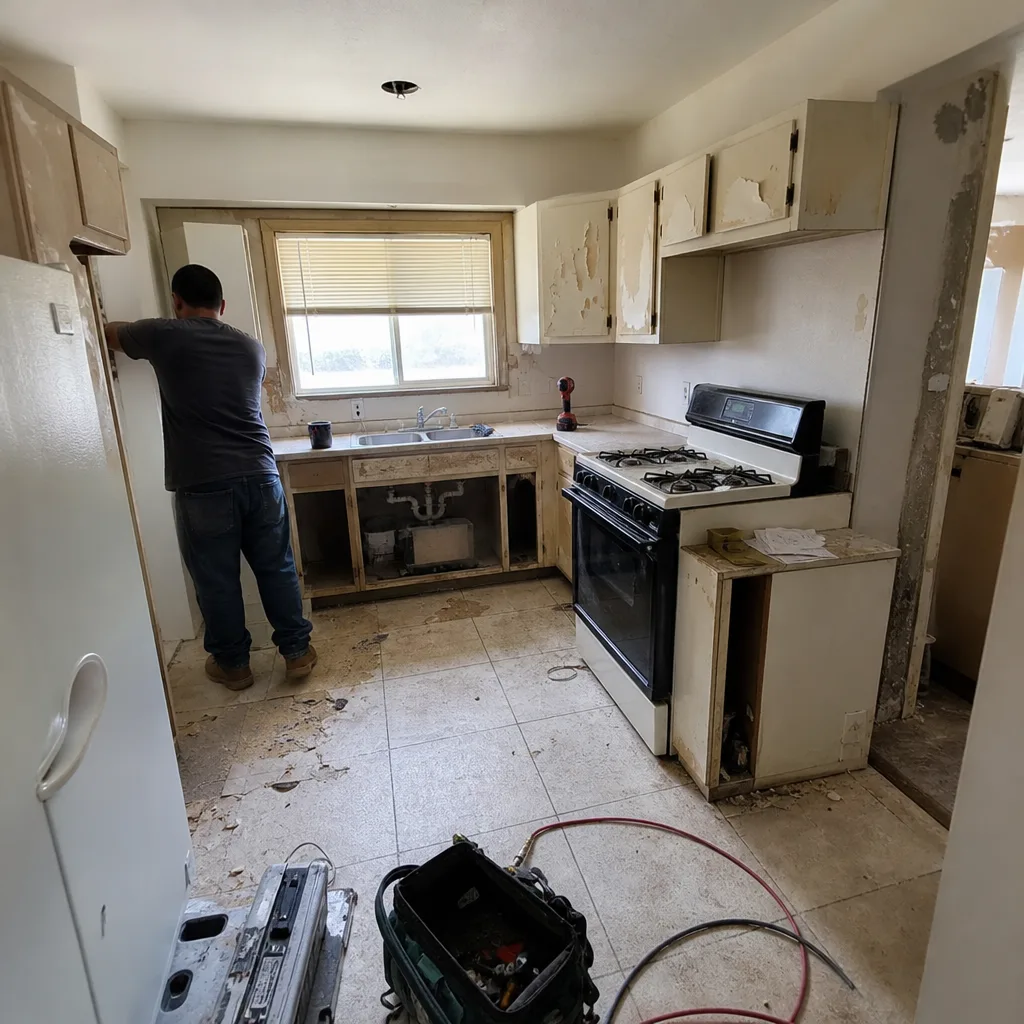
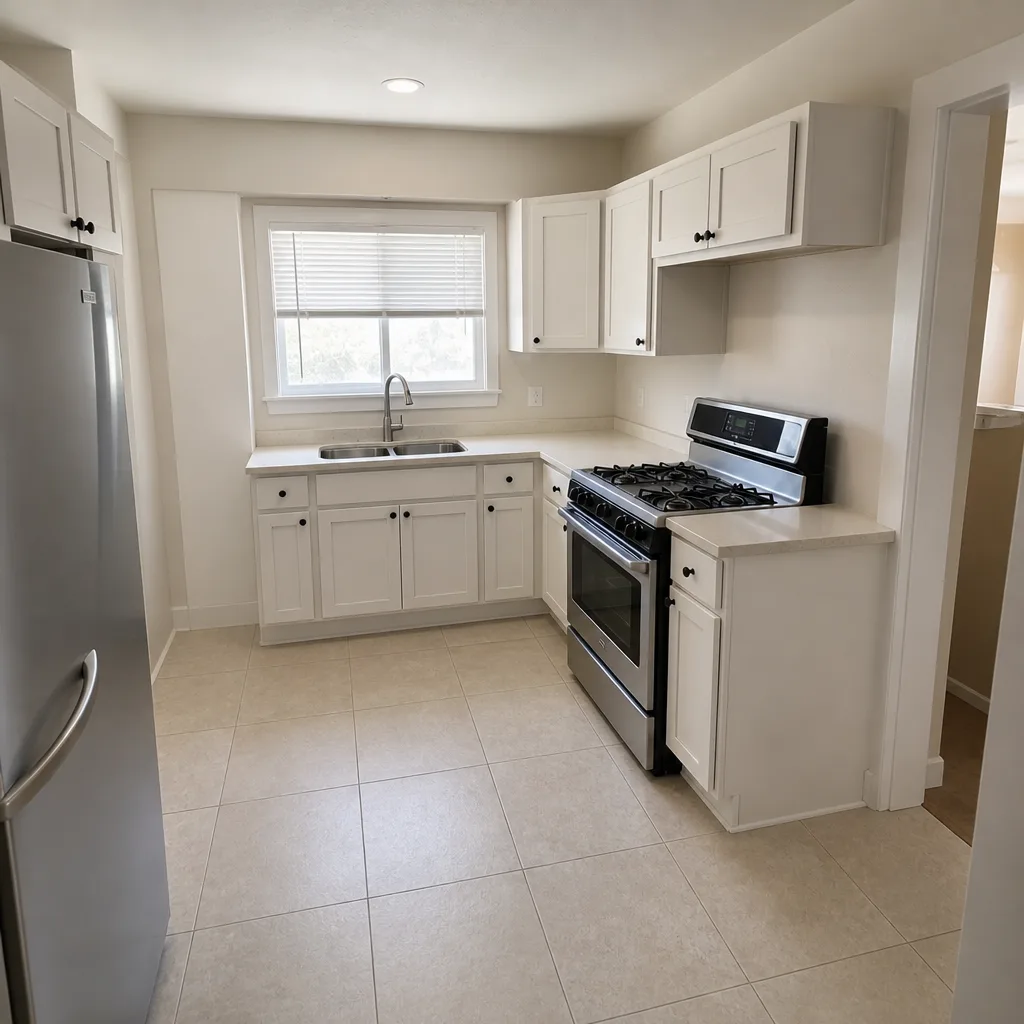
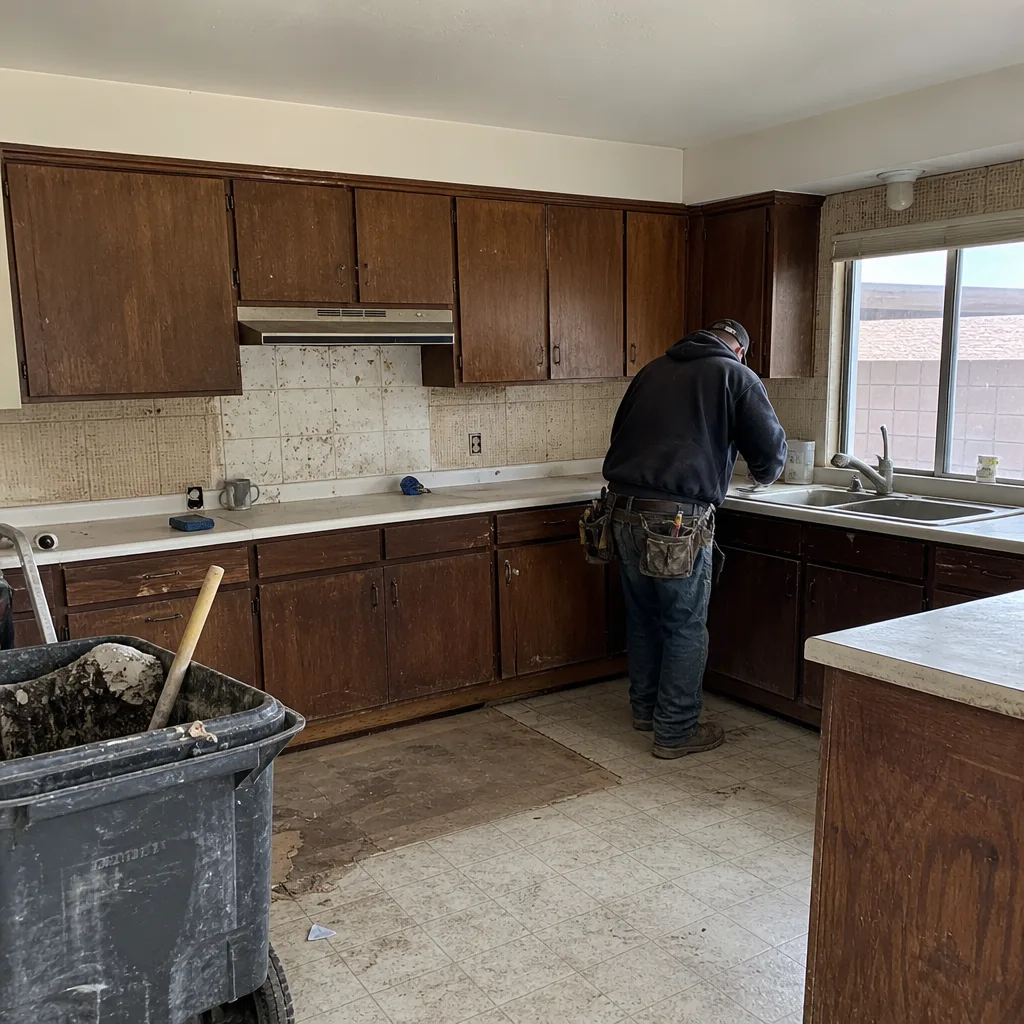
See the difference
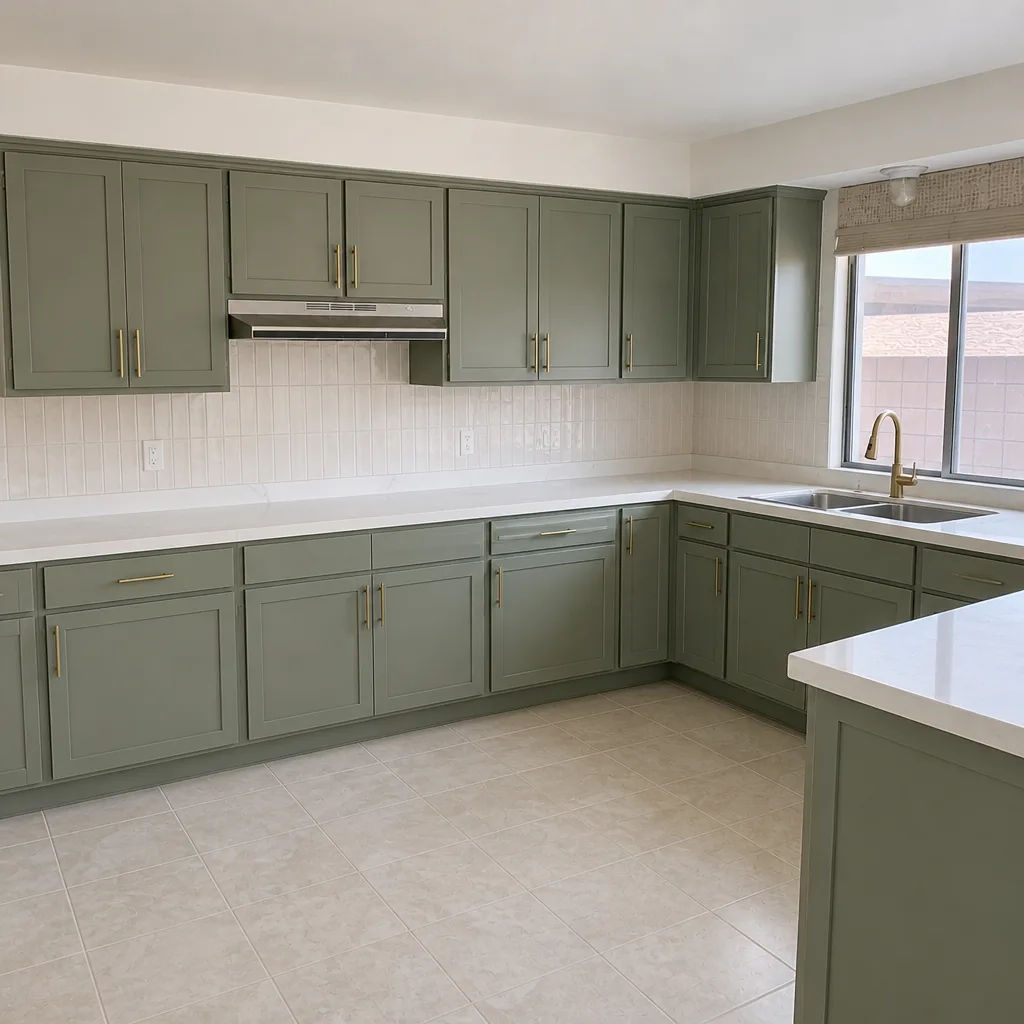
 Before
 After
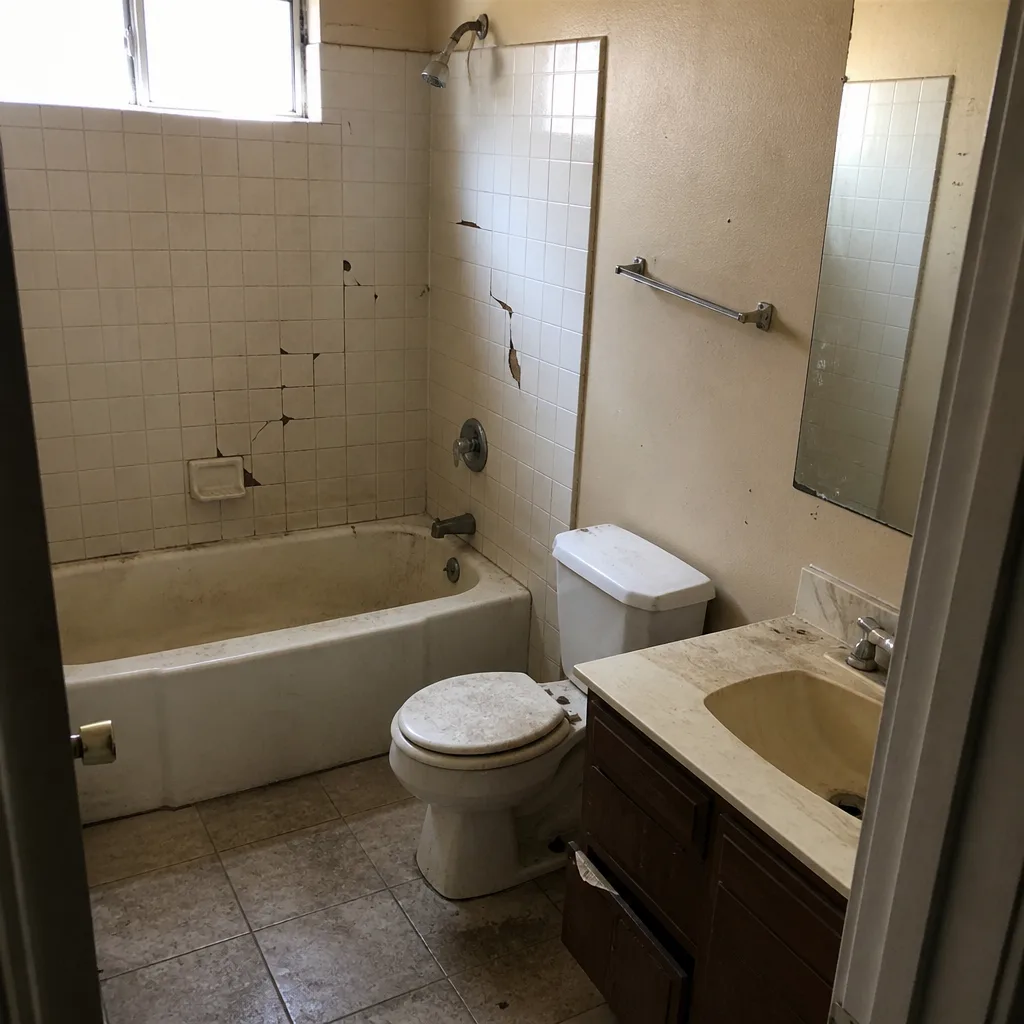
 Before
 After
 Before
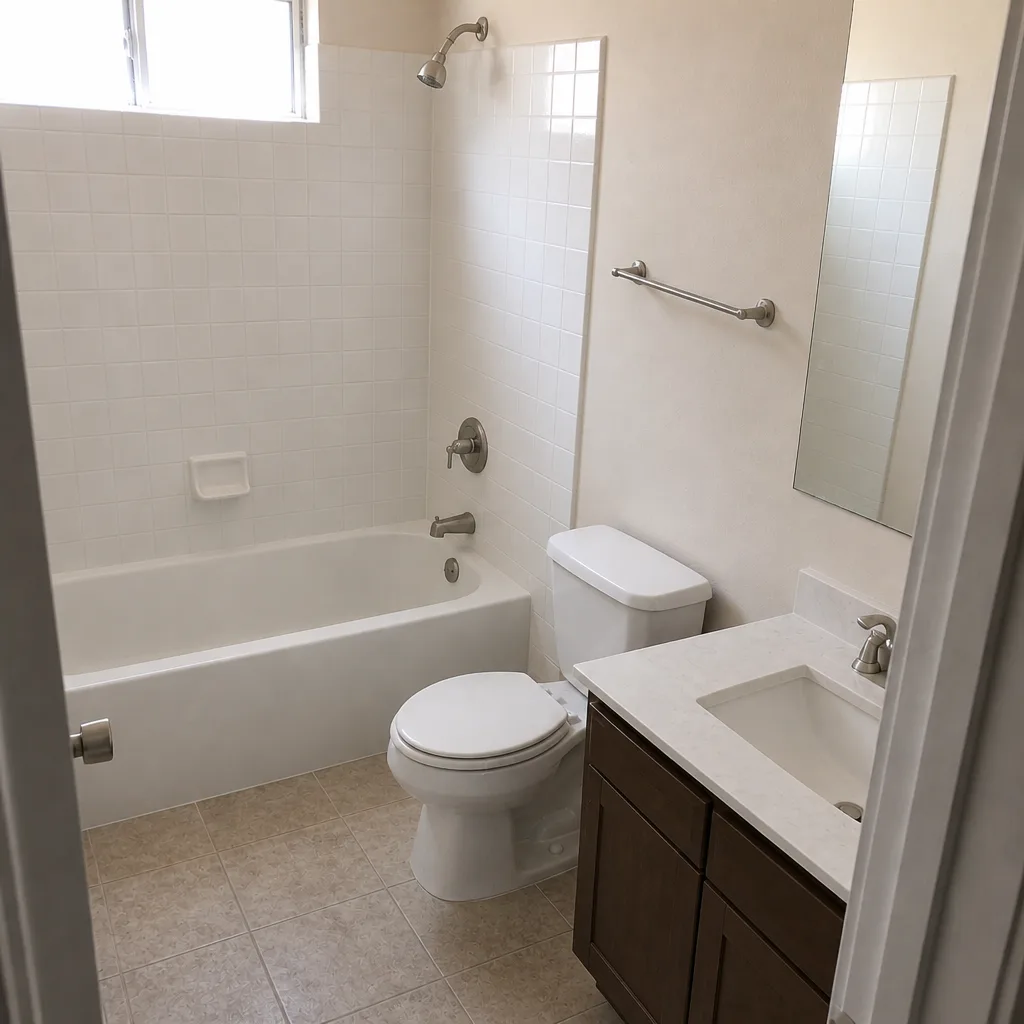 After
When to Call a Professional

The right time to call a professional is before you’ve signed anything, not after the work has gone sideways. Specific triggers: a bid that’s dramatically lower than the others with thin scope, a contractor who can’t or won’t produce a Nevada license number, a proposal without a written price, a refusal to name subcontractors, or a warranty that’s only verbal. Any one of those is worth a second opinion. Any two together is reason to start over with a fresh set of bids. And if you’re in Boulder City and unsure whether a bid you’ve received is legitimate, a free estimate from a licensed contractor is the fastest way to compare a properly documented proposal against what you’ve got in hand.
Elmstead Remodeling Boulder City offers free estimates in Boulder City – call (855) 552-7882. Every project we take includes a written price before any work starts, shoe covers and drop cloths on every visit, a photo of the clean-up before the crew leaves, and background-checked technicians, so you know exactly who’s coming through the door. Phones are answered by a live person 24/7, not a voicemail box.
Frequently Asked Questions
Use the Nevada State Contractors Board lookup tool on the NSCB website and search by license number or company name. Check that the license is active, that the classification matches your project type, that the monetary limit covers your job, and that the record shows no recent disciplinary patterns. It takes about two minutes and it’s free. Call (855) 552-7882 if you’d like us to walk you through what the record means for your specific project – estimates are free.
The biggest red flag is a missing written price before work starts, because it removes your ability to hold anyone to the number. In Boulder City, permit intake verifies licenses against the NSCB record, so a bidder who never mentions permits is usually a bidder who can’t pull them. Either sign is worth pausing on. Call (855) 552-7882 for a free second opinion on any proposal you’re unsure about.
Not always, but a low bid with thin scope almost always grows. The way to tell the difference is to compare bids line by line: if the cheaper bid excludes waterproofing, subfloor repair, or final paint, it isn’t cheaper, it’s incomplete. Ask for exclusions in writing and what the most likely change orders would cost. Call (855) 552-7882 and we’ll review your bid at no charge.
Yes. In Nevada, a subcontractor or supplier who isn’t paid can place a mechanics lien on your property even after you’ve paid the general contractor in full. The protection is to require a named subcontractor list, proof of insurance, and conditional lien waivers at each draw. If a contractor won’t put those names on paper before work begins, that’s a reason to walk.
A written workmanship warranty should name the covered duration and start date, what’s covered (workmanship defects, not product wear), what’s excluded, how to file a claim, and what remedy the contractor owes. Product warranties from manufacturers like James Hardie or Moen are separate and travel with the product. If the warranty is only verbal, you have nothing to enforce. Call (855) 552-7882 to see our 365-Day Done Right Promise in writing before any work starts.
Yes, if the work moves plumbing, electrical, or structural elements, it needs permits and inspections. A contractor who says otherwise on a job that clearly does is either wrong or unlicensed. The building department verifies license numbers at intake, so the permit conversation is also the license conversation. Estimates and permit questions are free at (855) 552-7882.
The Bottom Line
The contractor red flags worth watching for are procedural, not dramatic. No written price. No permit discussion. No named subcontractors. No warranty in writing. No verifiable Nevada license. Each one is small on its own. Two or three together describe a contractor who hasn’t thought through how to protect you, and that pattern rarely improves after the deposit clears. Verify the NSCB record, read the proposal line by line, get the warranty in writing, and ask who’s actually doing the work. Families in Boulder City who do those four things hire better contractors and finish projects with far fewer surprises. Treat the estate like it’s your own and demand the same from the contractor you hire.
Written by the team at Elmstead Remodeling Boulder City.