Last updated November 17, 2026







Free written scope consultation - allowances, timeline, and change-order rules on paper before a single trade is scheduled
How Long Does Bathroom Remodeling Take? Timelines and What to Expect
Most bathroom remodel timelines promise “10 to 14 days” and quietly leave out the part that matters: days 3 through 7 are when the toilet is offline. For a couple, that’s a mild inconvenience. For a family of four sharing one bathroom in Boulder City, it’s the detail that decides whether the project feels manageable or miserable. The calendar on the wall is only half the story. The other half is the daily disruption schedule, and that’s what this guide is built around. You’ll learn the real day counts for cosmetic versus structural work, how Clark County permit timing affects your start date, why tile needs its cure window, and what a written project calendar should actually contain.
Quick Answer
A standard full bathroom remodel takes 3 to 6 weeks from demolition to final walkthrough, while a cosmetic refresh (fixtures, vanity, paint) runs 5 to 10 working days. The biggest variable isn’t the tile or the tub; it’s permit timing and the days your only toilet is unavailable. Plan for roughly 4 to 6 toilet-offline days on a full gut, and schedule them around school weeks and work-from-home commitments.
Styles & brands we work with
- Kitchen remodeling
- Bathroom remodeling
- Home additions & ADU
- Roofing
- Windows & doors
- Driveway & pavers
- Fence
Table of Contents
- The Toilet-Accessible Calendar: The Half of the Timeline Nobody Prints
- How Boulder City and Clark County Permit Timing Affects Your Start Date
- Cosmetic vs. Structural: Two Very Different Timelines
- The Sequencing Logic: Why Tile Has to Cure Before Grout
- What a Written Project Calendar Should Contain
- Remodeling With Kids and Pets: Scheduling Around Real Life
- What Actually Causes Delays (and What Doesn’t)
- How Budget and Timeline Interact
The Toilet-Accessible Calendar: The Half of the Timeline Nobody Prints
Here’s how a full bathroom remodel actually splits in a Boulder City home. The days fall into two categories: days when the toilet works and days when it doesn’t. That single distinction matters more to a family than any Gantt chart.
Demolition day one typically takes the fixtures out, including the toilet. From that moment until the new toilet is set, usually 4 to 6 working days later, the bathroom is offline. On a phased remodel where the toilet stays in place until the end, you can trim that offline window to 2 or 3 days. Either way, the offline stretch is short, but it’s the part families remember.
Toilet-accessible phase (weeks 1 – 2): demo of surfaces, rough plumbing and electrical, framing for niches, drywall. The room is unusable but the toilet is either still set or reset quickly. This is the phase where dust control and drop cloths matter most.
Toilet-offline phase (typically days 3 – 7): drain relocation if needed, subfloor prep, waterproofing membrane cure, tile setting. The toilet and sink are both out. Plan a portable alternative, a downstairs bathroom, or a neighbor’s spare key for this stretch.
Toilet-back-online phase (week 3 onward): tile grouting, vanity install, fixtures, paint, trim. The room is functional again, and the remaining work is finishing detail.
We’ve learned to hand families this calendar in writing before the first hammer swing, because a Boulder City household with school-age kids and a single bathroom needs to schedule that offline window around the school calendar, not the other way around. In our experience, the projects that feel smoothest to families are the ones where the toilet-offline days landed on a weekend they’d already planned to be out of the house.
If your bathroom is one of several, the pressure drops. If it’s the only one, we plan to keep the toilet set until the new tile is ready to receive it. Ask about that option when you get a quote; it changes the day count slightly but not the overall length.
How Boulder City and Clark County Permit Timing Affects Your Start Date
Permit timing is where the real calendar lives, and it’s the piece most online articles skip. Boulder City issues its own building permits for work inside city limits, and the review clock runs on the city’s schedule, not the contractor’s. On a bathroom remodel that moves plumbing or walls, a permit is typically required. On a straight cosmetic swap, it often isn’t.
Here’s the practical reality for a Boulder City bathroom project:
- Cosmetic work (no permit): fixture, vanity, and finish swaps can usually start within a week of scheduling, once materials arrive.
- Plumbing relocation or wall changes: plan on 1 to 3 weeks of permit review before demo begins, and longer if the plans get kicked back for corrections.
- Structural changes: engineering may be required, adding another 1 to 2 weeks.
The permit pull isn’t a delay in the work; it’s a precondition for it. A contractor who starts demo before the permit is issued is taking a risk that lands on you at resale or inspection. We pull the permit and book the inspection, and the timeline we give reflects the real review window, not the optimistic one.
One Boulder City-specific factor: the older housing stock in the historic district sometimes means a plan reviewer flags things that a newer subdivision wouldn’t. If your home is in the older part of town, expect a slightly longer review and be glad it was caught early. It’s cheaper to redraw a plan than redo a rough-in.
The city also has summer heat that affects material delivery and outdoor staging, so scheduling the permit window in spring or fall can make the project run more comfortably. There’s no wrong season to remodel, but there is a more comfortable one.
Cosmetic vs. Structural: Two Very Different Timelines
The single biggest swing in any bathroom timeline is the scope. Cosmetic remodels and structural remodels share a vocabulary but not a calendar. Here’s the honest breakdown:
Cosmetic remodel (5 to 10 working days)
- New vanity, sink, faucet, mirror, light fixture
- Fresh paint, new tile backsplash or floor tile over existing substrate
- Replacing the toilet and showerhead
- No plumbing or wall relocation
This is the “one weekend plus a few days” project. The toilet stays set until the last day. A family can live through it with minimal disruption.
Mid-scope remodel (2 to 4 weeks)
- New tub or shower, tile surround, waterproofing
- Vanity replacement with minor plumbing adjustments
- Electrical updates for lighting and outlets
This is the sweet spot for most families, and the toilet goes offline for a few days in the middle. Tile cure and grout sequencing add real days here.
Structural remodel (4 to 6 weeks, sometimes longer)
- Moving walls or enlarging the footprint
- Relocating the drain, supply lines, or toilet position
- Adding a window or altering the exterior wall
- Subfloor replacement, new framing, full waterproofing system
This is where Boulder City permit review, inspection scheduling, and material lead times all compound. A 6-week build isn’t a contractor dragging their feet; it’s the honest minimum for moving a drain in a permitted job.
We’ve found that families underestimate the gap between cosmetic and structural because the online timelines collapse them into one number. Ask your contractor which category your project falls into before you commit to a start date. The answer determines whether you’re planning around a long weekend or a month.
The Sequencing Logic: Why Tile Has to Cure Before Grout
Tile work looks simple and isn’t. The reason is the curing schedule: thinset has to set before grout, grout has to cure before sealing, and waterproofing membrane has to cure before any tile goes down. Skipping those cure windows is the most common cause of callbacks in bathroom remodeling, and callbacks are the quiet timeline killer.
Here’s the standard sequence we follow, and why each step takes the time it does:
- Waterproofing membrane applied. A waterproofing system like Schluter goes on the substrate and must cure, usually 12 to 24 hours, before tile touches it.
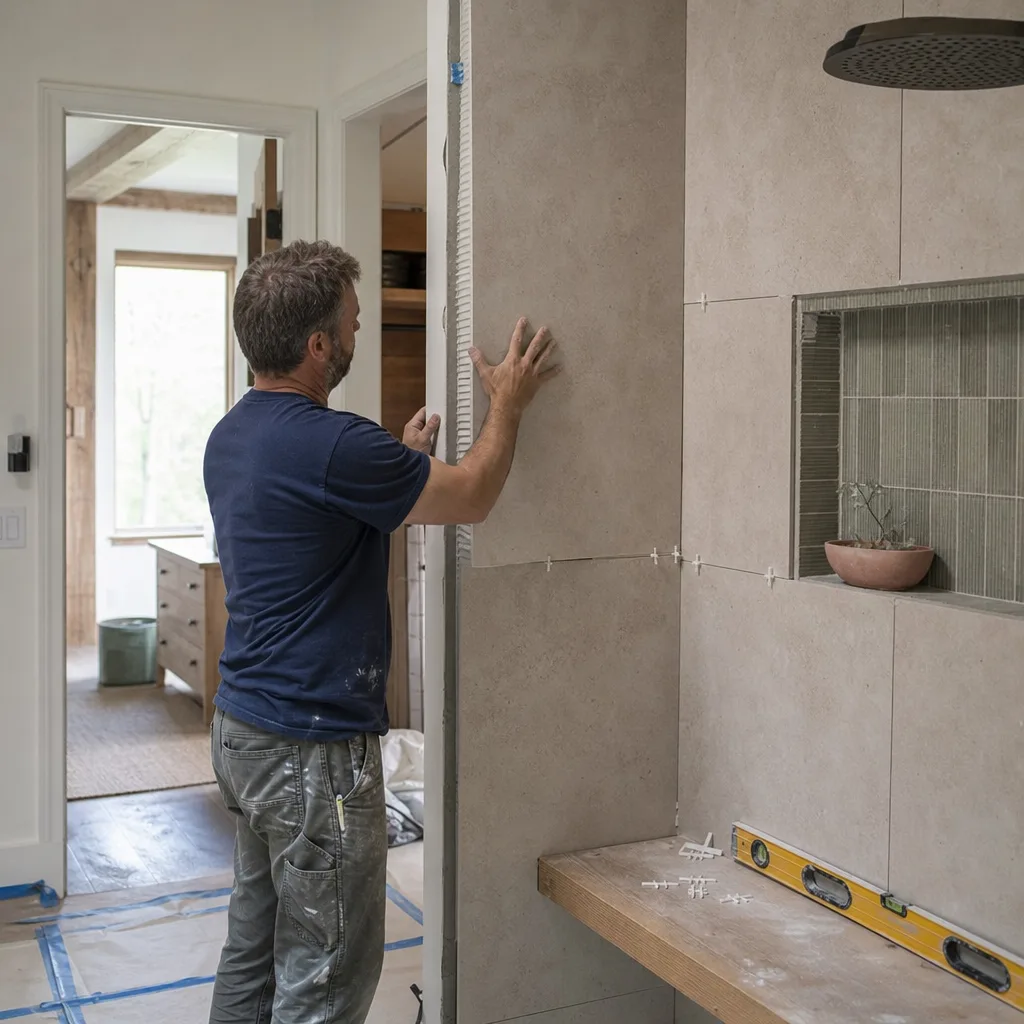
- Thinset and tile set. The thinset needs 24 hours to cure before grout. A rushed job with damp thinset will produce grout haze and weak joints.
- Grout applied and cured. Grout itself needs 24 hours before sealing and 24 hours before heavy water exposure.
- Sealer applied. One more day before the shower is usable.
That’s 4 to 5 days of cure windows on tile alone, and none of them can be collapsed. In Boulder City’s dry climate, curing actually goes slightly faster than in humid regions, but the windows don’t disappear. A contractor who promises a full tile shower and grout on the same day is cutting the cure and will be back within the year to fix it.
The cure logic applies to the subfloor too. If the subfloor needs leveling compound, that’s another 24-hour window. Add them up and you understand why a 3-week magazine timeline becomes 4 to 6 weeks in a permitted, inspected job. The extra days are protection, not padding.
What a Written Project Calendar Should Contain
A written project calendar is the difference between a remodel you can plan around and one that ambushes you. Every remodeling project should come with one before the first day of work. Here’s what should be on it:
- Daily start and end times for the crew, so you know when to expect them and when the house is yours again.
- Quiet hours during family rest periods, with a note on which days involve loud work like tile cutting or demolition.
- Toilet-offline days clearly marked so you can plan alternatives.
- Days you need to be present for decisions: tile layout approval, paint color, fixture placement, final walkthrough.
- Inspection dates booked by the contractor, so you know when the city will be on-site.
- Material delivery dates for cabinets and countertops, which are usually the longest lead items.
- Clean-up protocol for each phase: drop cloths on floors, shoe covers at the door, and a photo of the clean space before the crew leaves for the day.
We build the Cedarwell Care Promise into that calendar: shoe covers and drop cloths on every visit, a written price before any work starts, a photo of the clean-up before the crew leaves, and quiet tools during family rest hours where possible. Those aren’t add-ons; they’re part of how the project is scheduled.
Ask for the calendar in writing, and ask which days require you at home. If a contractor can’t answer that before the job starts, ask again. The answer tells you how well the project has been thought through.
Remodeling With Kids and Pets: Scheduling Around Real Life
Families with young children and pets have a different timeline experience than couples. Not because the work takes longer, but because the disruption is heavier and the safety margin is narrower. A few scheduling choices make a real difference in Boulder City homes:
- Coordinate the toilet-offline window with school weeks, so younger children can use the bathroom at school rather than commuting to a neighbor’s.
- Ask for pet-safe product choices where there is a choice. Adhesives, sealers, and grouts all have lower-odor options; ask before the job starts which products will be used.
- Gate the work zone so pets don’t wander onto fresh tile or into open demolition areas.
- Confirm daily clean-up so debris, screws, and small tile shards don’t sit on the floor overnight.
The brands on your project matter to families too, and they should be chosen with kids in mind. A Therma-Tru fiberglass entry door or an ES Windows bathroom window holds up to humidity and busy households, and the manufacturer warranty travels with the finished room. Countertop materials from Cambria, Silestone, and Caesarstone don’t need sealing and resist stains from the inevitable juice-box spills. Cabinets from KraftMaid and Wellborn come with manufacturer warranties you can research by name.
We’ve found that the families who plan around the toilet-offline week and ask about products ahead of time are the ones who describe the project afterward as “easier than we expected.” The work didn’t get shorter; the planning got better.
What Actually Causes Delays (and What Doesn’t)
Not every day past the estimate is a failure. Some delays are structural and unavoidable; others are choices made on the fly. Here’s the honest split:
Real causes of delay
- Hidden damage found at demo. Rot behind tile or a failing subfloor shows up once the wall is open. Boulder City homes in the older part of town see this more often than new construction.
- Permit review corrections. A plan reviewer asking for a change adds a review cycle, usually 5 to 10 days.
- Material lead times. Custom cabinets and stone countertops can run 3 to 6 weeks from order to delivery.
- Cure windows. Tile, grout, and waterproofing cure times are fixed and cannot be collapsed without risking failure.
Things that shouldn’t delay you (but sometimes do)
- A crew that doesn’t pull the permit first
- Change orders that weren’t priced upfront
- Materials ordered after demo instead of before
The written price before work starts is the protection here. If a change order is needed, it should be priced and agreed in writing before the work proceeds. A contractor who gives a written price before any work starts, every project, has to have thought through the scope carefully enough to stand behind it. That’s the Cedarwell standard, and it’s why we commit to it in writing.
How Budget and Timeline Interact
Budget and timeline are the same conversation for practical purposes. A cosmetic refresh in Boulder City typically runs in the low thousands, while a full structural remodel with a new shower system, custom vanity, and moved plumbing lands in the higher tens of thousands. The length of the project tracks the complexity, and both track the materials chosen.
A few pricing realities worth knowing:
- Custom cabinets from KraftMaid or Wellborn cost more and take longer to deliver than stock, but they carry manufacturer warranties.
- Stone countertops from Cambria, Silestone, or Caesarstone need templating after cabinets are set, which adds 1 to 2 weeks to the schedule.
- Fixture choices from Kohler, Moen, or Grohe affect both timeline and total cost; some finishes ship faster than others.
The right approach is to get a written, line-item price and a written project calendar together, before any deposit. The price and the schedule should agree with each other; if one is vague, the other will be too. For a broader look at the trade sequence, our bathroom remodeling in Boulder City page walks through the full scope. If you’re remodeling adjacent rooms at the same time, the general contractor in Boulder City page covers how projects are sequenced when more than one room is involved.
Common Mistakes to Avoid
- Booking a start date before the permit is issued. In Boulder City, demo-first-without-permit is a setup for a stop-work order or a resale complication. Confirm the permit is in hand before the first day.
- Not asking which days the toilet goes offline. This is the single detail that determines whether a family of four survives the project comfortably. Get the calendar in writing.
- Scheduling the offline week during a school break or holiday. You need the school bathroom in service, so plan the offline window around the school calendar, not against it.
- Choosing materials after demo begins. Custom cabinets and templated countertops add weeks when ordered late. Make the selections before the project starts, not after the walls are open.
- Letting a contractor skip the tile cure window. Grouting over damp thinset causes haze, weak joints, and callbacks within the year. The cure days are protection; don’t let them be cut.
- Accepting a verbal estimate that “can grow.” In Boulder City, a verbal number is not a commitment. Get a written line-item price before any work starts, and confirm change orders are priced in writing.
- Ignoring pet and child safety at the work zone. Adhesives, grout dust, and debris are all manageable if planned around. Ask which products are being used and how the site will be gated.
See the difference
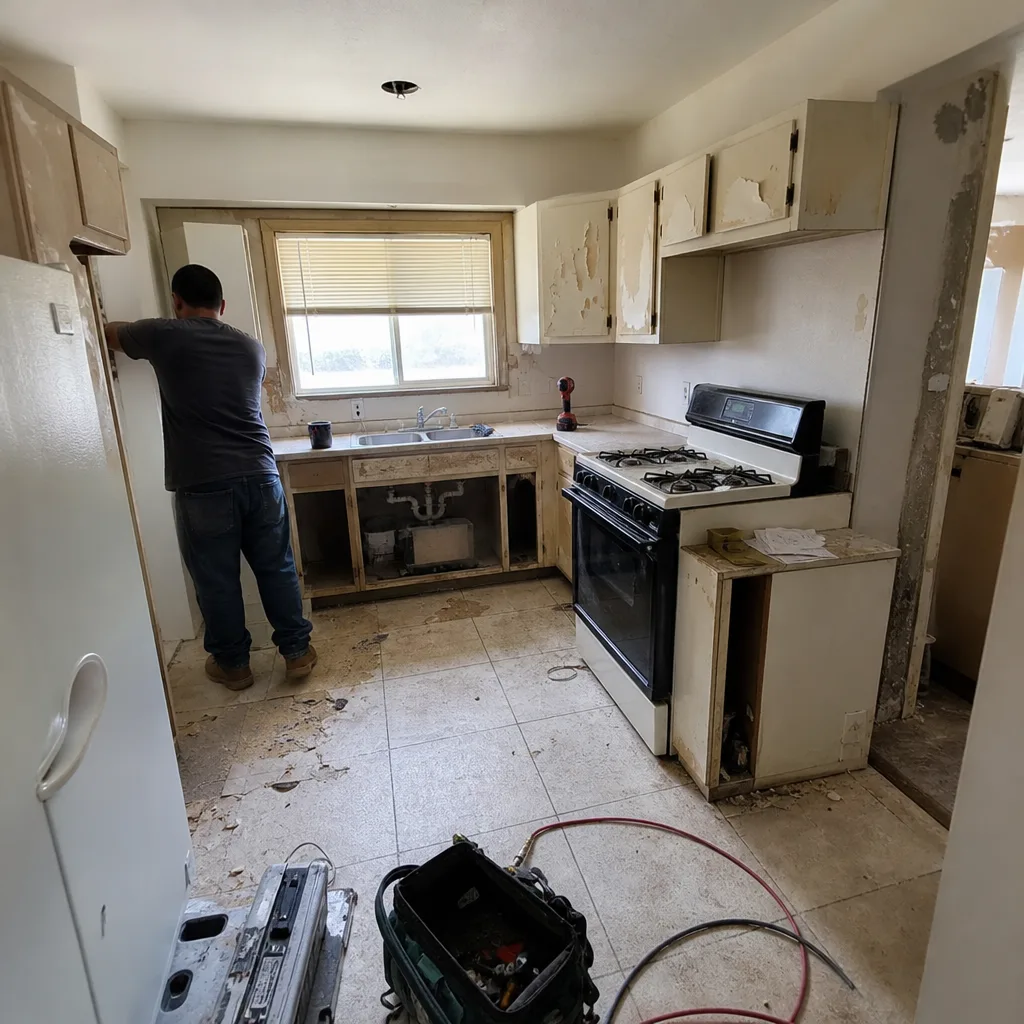 Before
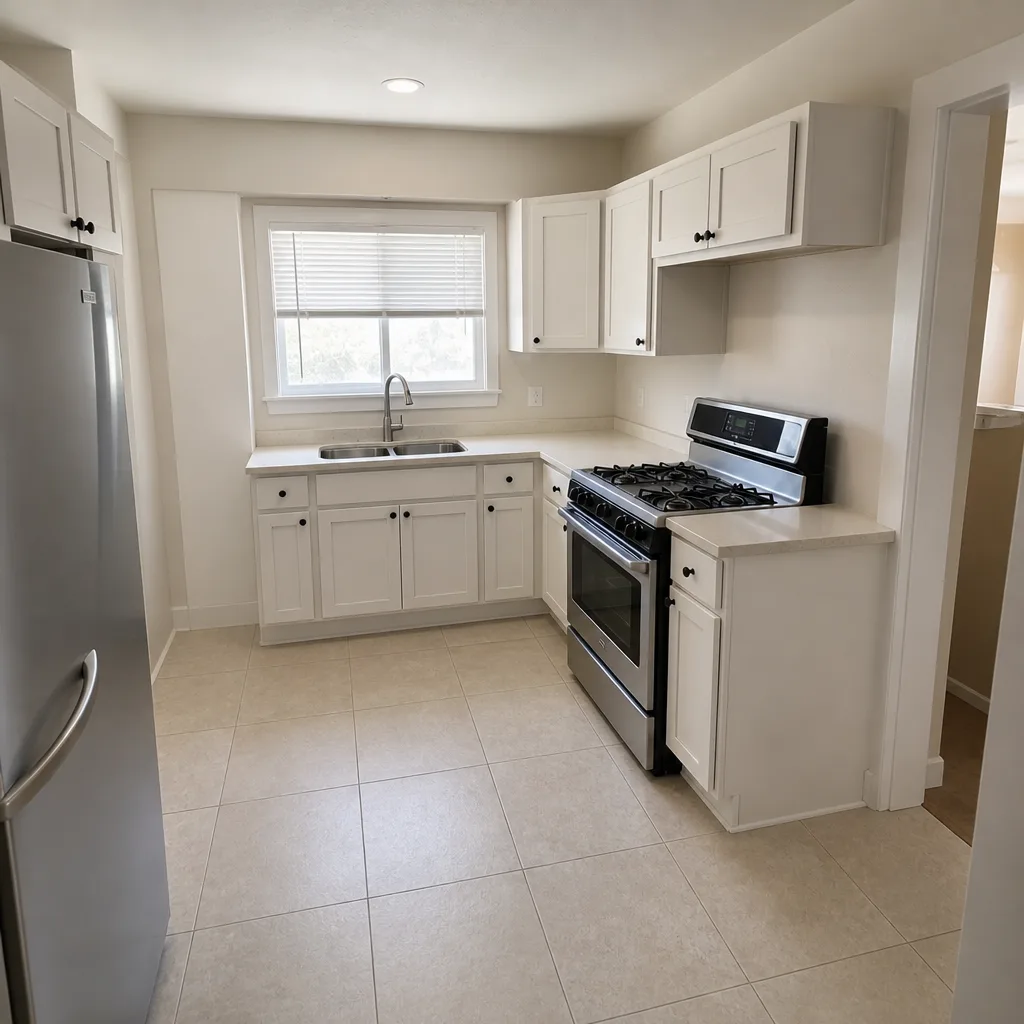 After
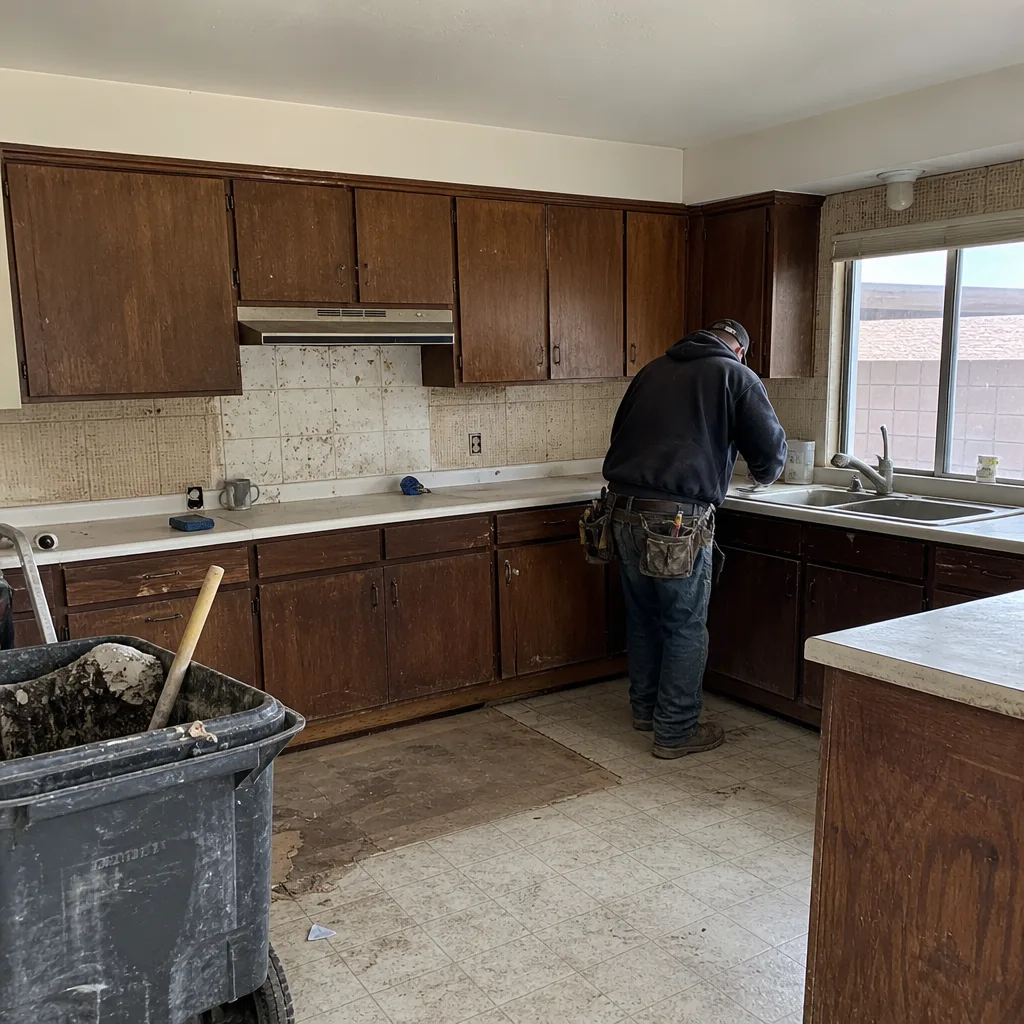 Before
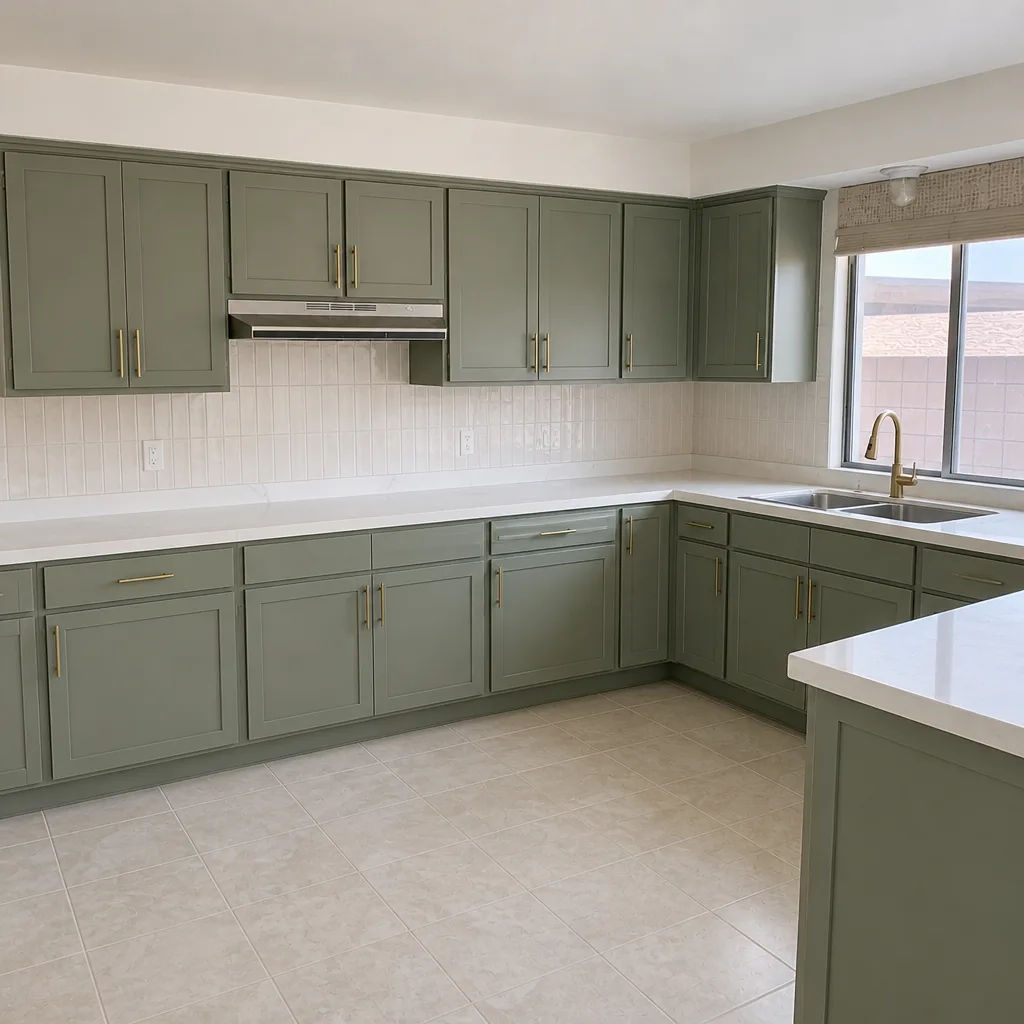 After
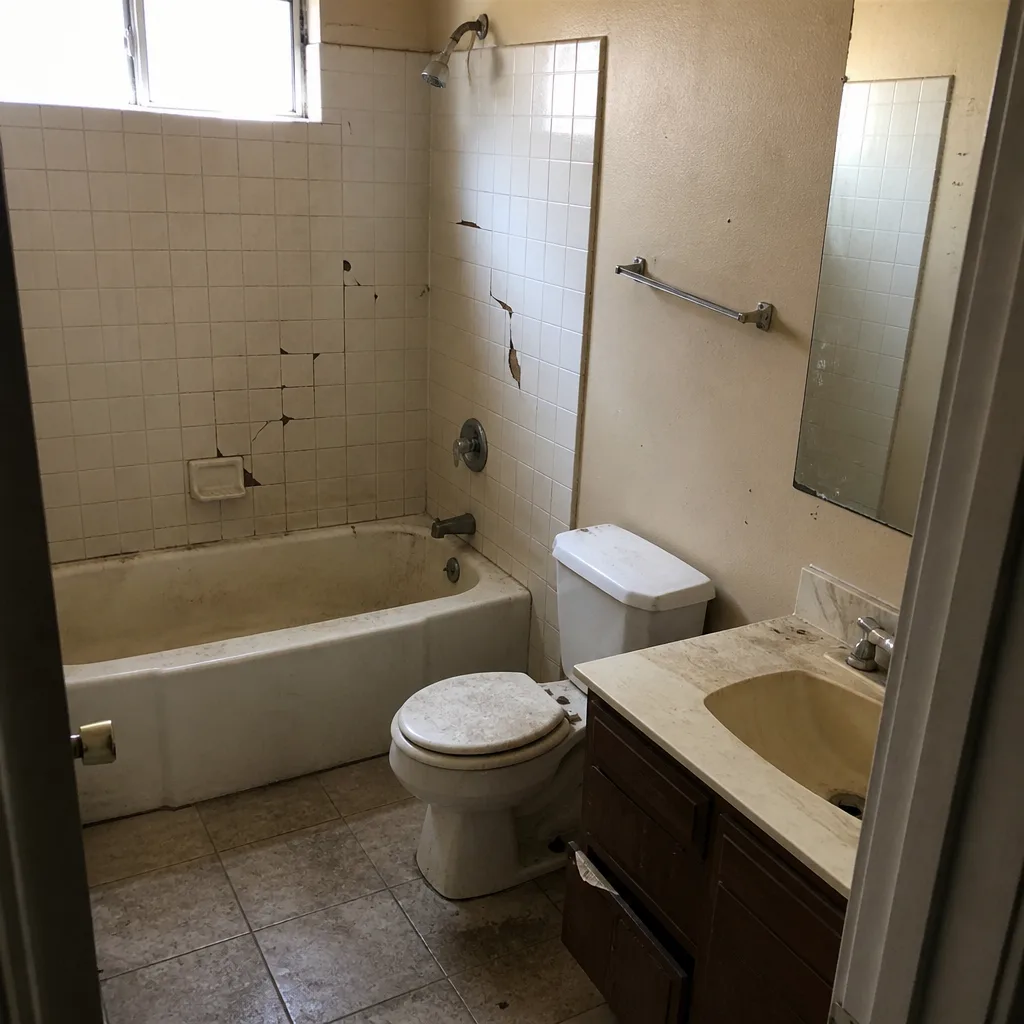 Before
 After
When to Call a Professional
Some bathroom work is fine to handle yourself: swapping a faucet, re-caulking a tub, replacing a showerhead, repainting a vanity. The moment the scope involves moving a drain, relocating a wall, opening an electrical circuit, or replacing a shower pan with new waterproofing, the timeline and the risk both jump. That’s the point where a professional changes not just the quality of the work but the accuracy of your calendar.
If you’re in Boulder City and want a written timeline before you commit to a start date, Elmstead Remodeling Boulder City offers free estimates in Boulder City. Our technicians have up to 21 years of experience, and every project comes with a written price before any work starts and the 365-Day Done Right Promise: if it isn’t done right, we make it right. Call (855) 552-7882 to schedule your free estimate. Calls are answered by a live person, 24/7. You can also start with our Elmstead Remodeling Boulder City home page.
Frequently Asked Questions
A full bathroom remodel in Boulder City takes 3 to 6 weeks depending on permit timing and scope, while a cosmetic refresh runs 5 to 10 working days. The permit review window and the toilet-offline stretch add the most days to a permitted job. Call (855) 552-7882 for an exact quote; estimates are free.
Expect roughly 4 to 6 toilet-offline days on a full gut remodel, or 2 to 3 days if the remodel is phased so the toilet stays set until the end. The offline window usually falls in days 3 through 7, during rough plumbing, subfloor prep, and tile setting. Ask for that window in writing before the job starts.
Cosmetic work like replacing a vanity, faucet, or toilet usually does not require a permit, but moving plumbing, electrical, or walls typically does. Boulder City issues its own building permits, and the review window runs 1 to 3 weeks on a straightforward plan, longer if corrections are needed. A licensed contractor should pull the permit and book the inspection.
It shouldn’t. A written line-item price before any work starts protects you from cost creep, and any change order should be priced and agreed in writing before the extra work proceeds. If a contractor’s estimate is verbal and can grow, get it in writing before you commit. Call (855) 552-7882 for a written quote.
Tile isn’t slow to lay; it’s slow to cure. Waterproofing membrane, thinset, grout, and sealer each need roughly 24 hours to set before the next step, which adds 4 to 5 days to the schedule. In Boulder City’s dry climate the cure runs slightly faster, but the windows don’t disappear. Skipping them causes hazy grout and weak joints.
Yes. The right approach is to plan around the family, not the other way around: schedule the toilet-offline week around school, gate the work area for pets, choose low-odor pet-safe products where there’s a choice, and keep dive times for tile cutting inside quiet hours. We also confirm clean-up with a photo before the crew leaves each day. Call (855) 552-7882 to talk through the calendar.
The Bottom Line
A realistic bathroom remodel timeline is built around two things: the trade sequence and the disruption schedule. Cosmetic work runs 5 to 10 working days, mid-scope work 2 to 4 weeks, and structural work 4 to 6 weeks or more in Boulder City once permit review is included. The piece most timelines skip is the toilet-offline window, which lands in days 3 through 7 and needs to be planned around school and work. Tile cure, permit review, and cabinet lead times add fixed days that can’t be collapsed. Get your calendar and your written price before the first day, and the project stays predictable.
If you’re planning a remodel and want to see how the full scope comes together, our kitchen remodeling in Boulder City page follows the same day-count logic for the largest room in the house. When you’re ready for a written timeline and price, call us at (855) 552-7882.
Written by the team at Elmstead Remodeling Boulder City.