Last updated November 17, 2026







Free written scope consultation - allowances, timeline, and change-order rules on paper before a single trade is scheduled
Bathroom Remodeling Warning Signs Every Homeowner Should Know
The most expensive moment in a bathroom remodel usually isn’t the bid. It’s day two of demolition, when the tile comes up and the subfloor is soft. One Boulder City homeowner we worked with had lived with a “spongy” spot near the toilet for years. Her first estimate didn’t name it as a contingency, so when the plywood crumbled under a pry bar, the job grew by $4,200 and three weeks. This guide is about reading the warning signs before demo begins and while the walls are still open: the pre-hire red flags, the day-two signals that change scope, and the contract language that decides who pays when the unexpected shows up.
Quick Answer
The warning signs of a bathroom remodel that will go over budget are a vague or unwritten price, material specs left as “TBD,” and no stated contingency for hidden water damage. Mid-project, the biggest red flags are a missing moisture barrier, mastic adhesive used in a wet zone, and a contractor who won’t show you the rough-in inspection result. A written fixed price and a named moisture plan catch most of these before they cost you anything.
Styles & brands we work with
- Kitchen remodeling
- Bathroom remodeling
- Home additions & ADU
- Roofing
- Windows & doors
- Driveway & pavers
- Fence
Table of Contents
- Pre-Hire Warning Signs: What to Catch Before You Sign
- Contract Warning Signs: What “Price Subject to Change” Really Means
- Demo-Day Warning Signs: Reading What’s Behind the Wall
- Mid-Project Warning Signs: Barrier, Adhesive, and Waterproofing
- How to Read a Rough-In Inspection Result
- Why Boulder City Bathrooms Fail Differently
- A Homeowner’s Self-Check at Every Stage
Pre-Hire Warning Signs: What to Catch Before You Sign
Most of the expensive surprises in a Boulder City bathroom remodel are visible on paper before anyone swings a hammer. The signs are quiet, which is why they get missed. A verbal ballpark, a line that says “tile allowance” with no number, a promise that permits “probably aren’t needed” for a layout change. Each one shifts risk from the contractor onto you.
Here’s what a written price should look like before work begins. A real written price names the fixtures, the tile, the vanity brand, and the labor line by line. When we quote a bathroom in Boulder City, the written price is given before any work starts, every time, and it doesn’t grow after the crew arrives. That’s the standard to hold any contractor to.
Watch for these pre-hire red flags:
- A price given out loud but never in writing, or a written quote that says “estimate” without a fixed number.
- Material specs left vague: “tile TBD,” “vanity to be selected,” “fixtures per allowance.” That allowance is where budgets go to die.
- No mention of permits. A Boulder City bathroom that moves a drain, adds a circuit, or changes a wall usually needs a permit and an inspection. A contractor who shrugs at this is telling you something.
- No named contingency for hidden damage. In a house older than a couple of decades, assume something behind the wall needs attention and get it priced in advance.
- No clear answer on who takes away the debris and how the house gets protected. Ask specifically about drop cloths, shoe covers, and daily clean-up.
If you’re comparing bids and want to understand how a full scope should be laid out, our Bathroom Remodeling in Boulder City page walks through what’s included from demo through final walk-through.
Contract Warning Signs: What “Price Subject to Change” Really Means
The single most useful clause to understand is some version of “price subject to change upon discovery.” Read plainly, it means the contractor can find something behind the wall, tell you it costs more, and proceed. You’ve already committed. That clause is why a written fixed price matters: it puts the discovery conversation into a defined process instead of a blank check.
What the clause means in practice:
- The contractor controls the discovery. If the price can float, there’s little incentive to carefully map the existing plumbing and framing before demo. The surprise becomes your problem.
- Your leverage drops after demo. Once the walls are open and the toilet is in the garage, switching contractors is painful and slow. A clause that lets the price rise exploits exactly that moment.
- A written fixed price reverses the pressure. When the price is fixed before work starts, the contractor has a reason to look closely and price the real contingencies up front. The unknown gets named in advance, not invoiced later.
A fair contract still allows for genuine surprises, but it handles them with a written change order you approve before the work proceeds, with a number attached. That’s different from a clause that lets the total drift. Our approach is to name the likely contingencies before demo and give you a written price that holds. You can see how that fits a whole project on our General Contractor in Boulder City page.
Demo-Day Warning Signs: Reading What’s Behind the Wall
The wall is open. Now what you’re looking at matters, because the difference between old staining and active moisture is the difference between a cosmetic repair and a rebuild. In our experience, this is the moment most homeowners get talked past, so here’s how to read it.
Old staining is dry, often brown or watermarked paper, with no softness and no smell. It tells you water was there once, perhaps from a leak that was fixed, perhaps from decades of steam. Active moisture feels cool and slightly damp to a gloved hand, the framing is soft at the base, and there’s a musty smell when the wall cavity is opened. A moisture meter confirms it in seconds. Active wet framing has to dry and be treated before anything goes back on it; old staining can often be sealed and left.
Day-two warning signs to watch for:
- Someone says “that’s just old staining” without putting a moisture meter on it.
- Soft subfloor near the toilet or tub is described as “minor” but not priced as a repair.
- The old backer board comes off and no one photographs what was underneath. Documentation protects you if the scope grows.
- Debris sits in the tub or on the subfloor overnight instead of being taken out, which is how damage starts.
A crew that treats the house like a home puts drop cloths down before demo, asks before moving anything, and takes a photo of the clean-up before leaving for the day. Those habits are not extras. They’re how a family with kids and pets lives through a remodel and still recognizes the house.
Mid-Project Warning Signs: Barrier, Adhesive, and Waterproofing
Two steps in a wet area decide whether your bathroom survives the next twenty years of showers: the moisture barrier and the adhesive. Both are hidden the moment tile goes on, which is exactly why they’re worth watching for now.
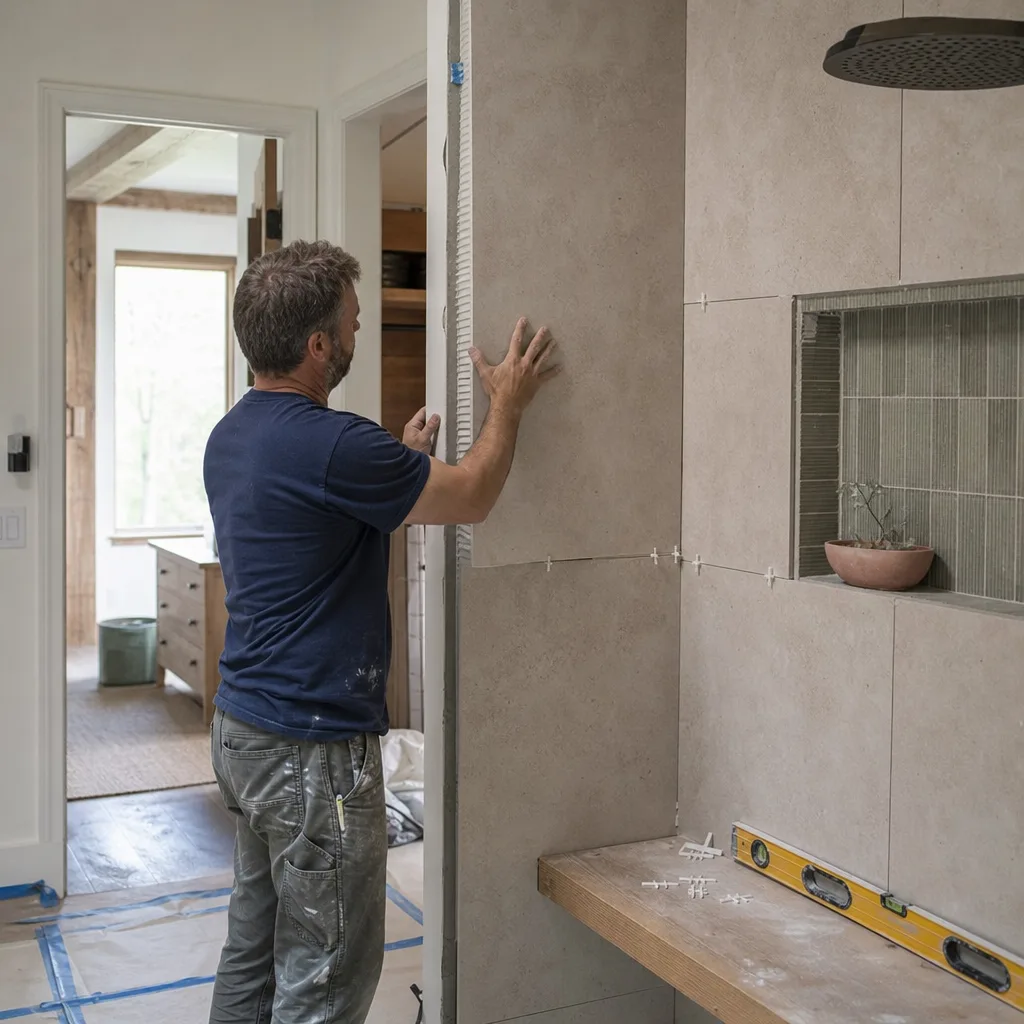
Moisture barrier skipped or improvised. Wet areas need a continuous waterproofing layer behind the tile, installed to the manufacturer’s spec. Look for a bonded sheet membrane or a liquid-applied membrane that’s applied to a measured thickness, with flanges lapped correctly at the corners and the curb. If you don’t see any waterproofing product going on before the tile, ask. A shower built without it can look fine for two or three years and then start to fail from the inside.
Mastic instead of thinset in a wet zone. Mastic is a ready-mixed adhesive that’s fine for dry walls and backsplashes. It has no business holding tile in a shower or on a floor that gets wet. Thinset is a cement-based mortar that cures hard and doesn’t re-emulsify around water. A crew spreading a tub of pre-mixed adhesive in a shower is a warning sign you can see with your own eyes.
Other mid-project signs worth naming:
- Tile set without a grout joint about the joints, or with no allowance for movement at the perimeter.
- Schluter or similar waterproofing systems installed without their matching components, mixing brands.
- The vanity and fixtures show up without the brands you agreed to. Named-brand materials mean you can check a KraftMaid cabinet spec against a KraftMaid cabinet spec, independently.
- Loud cutting and drilling scheduled right through a child’s nap or the quiet hours you asked about. It’s small, but it tells you whether the crew read the plan.
How to Read a Rough-In Inspection Result
A rough-in inspection happens before the walls close, and it’s your best look at whether the plumbing and electrical were done right. When the inspector signs off, you get a result to read. Here’s how to make sense of it.
- A “passed” rough-in means the plumbing layout, drain slope, and venting met code at the time of inspection. Ask for the inspection card or the documented result. A contractor who won’t show it is a warning sign on its own.
- A failed water-line pressure test usually means a joint or fitting is leaking under pressure. The plumber has to find and fix the specific connection and re-test before the inspection is re-run. It happens; what matters is that it’s caught and corrected before the drywall goes up, not papered over.
- A “failed” result that’s later corrected should show a re-inspection that passed. Ask for that too.
- Corrections should be visible in the documentation. If the failed item is vague, ask the plumber to explain what failed and how it was fixed. A straight answer is not too much to ask.
Boulder City permits and inspections exist to protect you, and a contractor who treats them as a checklist to route around is telling you something about the rest of the job. Permits pulled and inspections passed is what you want on the record.
Why Boulder City Bathrooms Fail Differently
Boulder City sits in a high desert, and that climate shapes how a bathroom fails. Homes here deal with a wide swing between hot, dry summers and cold winter nights, plus the occasional summer monsoon moisture working its way into a wall from outside. The dry air is hard on caulk and grout joints over time, and it can mask a small leak for months because the wood dries out on the surface while the damage builds underneath.
That combination means two things for a remodel. First, active moisture behind a wall may not announce itself the way it would in a humid climate, so a moisture meter and a trained eye matter more here than in many places. Second, exterior-facing bathroom walls in Boulder City benefit from a careful look at the waterproofing on the outside before a remodel closes it in. A soft spot in the subfloor or a spongy base along an exterior wall is worth taking seriously.
The same climate lens applies to the rest of the house, and it’s part of how we plan any project. If you’re weighing a bathroom against a larger remodel, our Kitchen Remodeling in Boulder City page covers how we handle moisture and material choices in the dry desert air.
A Homeowner’s Self-Check at Every Stage
You don’t need to be a contractor to spot the warning signs. You need a short list of things to ask, and the willingness to ask them. Here’s the self-check we’d want a family to run.
Before you hire:
- Do I have a written price, line by line, before work starts? If not, ask for one.
- Are the materials named by brand, or left as allowances? Named brands can be researched and their warranties verified.
- Is there a named contingency for hidden damage, and is it in the price?
- Will permits be pulled where needed, and can I see the inspection record?
During the job:
- Is the waterproofing going on before tile, and am I told what product is being used?
- Is thinset being used in the wet areas, not mastic?
- Is the subfloor dry and solid before anything goes back down?
- Is the house protected (drop cloths, shoe covers) and cleaned up daily, with a photo of the clean-up?
Every one of these is a question with a specific, checkable answer. If the answer is vague, that’s the warning sign. For a single page covering the full scope, our Elmstead Remodeling Boulder City home page is a good place to start.
Common Mistakes to Avoid
- Accepting a verbal price. A spoken number can’t be compared or enforced. Get it in writing before anything starts, and read it line by line.
- Leaving materials as “TBD.” “Tile TBD” and “fixtures per allowance” are where budgets quietly grow. Name the brands and products up front so you can verify them yourself.
- Assuming permits only matter on big projects. Moving a drain, adding a circuit, or changing a wall layout in a Boulder City bathroom usually needs a permit and an inspection. Ask for the record.
- Letting someone talk past soft subfloor. “It’s fine” without a moisture meter and a signed repair is how a small wet spot becomes a full floor rebuild.
- Skipping the waterproofing conversation. If no one has told you what moisture barrier is going in and how, ask before tile is set, because you won’t see it afterward.
- Ignoring the change-order process. Any added work should come with a written, numbered change order you approve before it’s done. Verbal “we’ll handle it” is not a process.
- Forgetting the family’s daily life. Quiet hours for naps, care around pets, and daily clean-up are not extras to negotiate after the fact. Ask before you sign.
See the difference
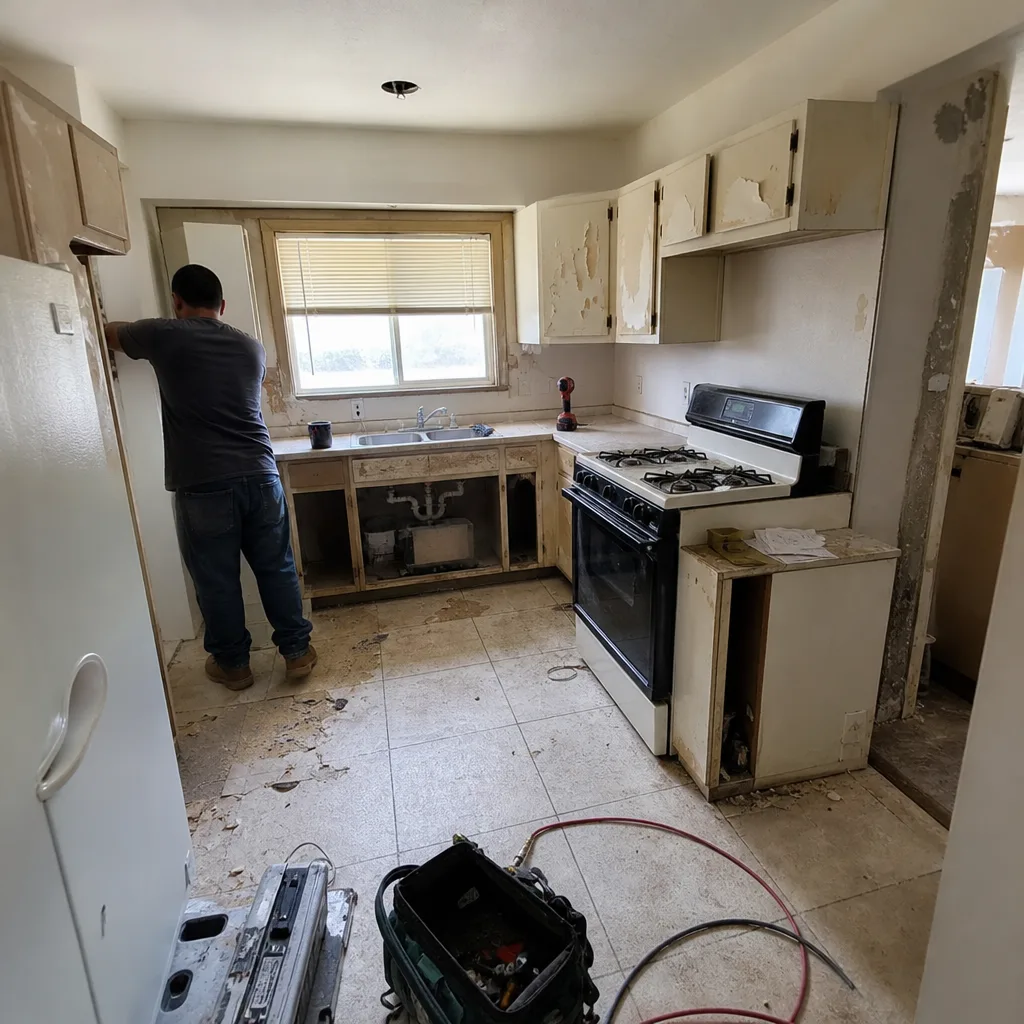 Before
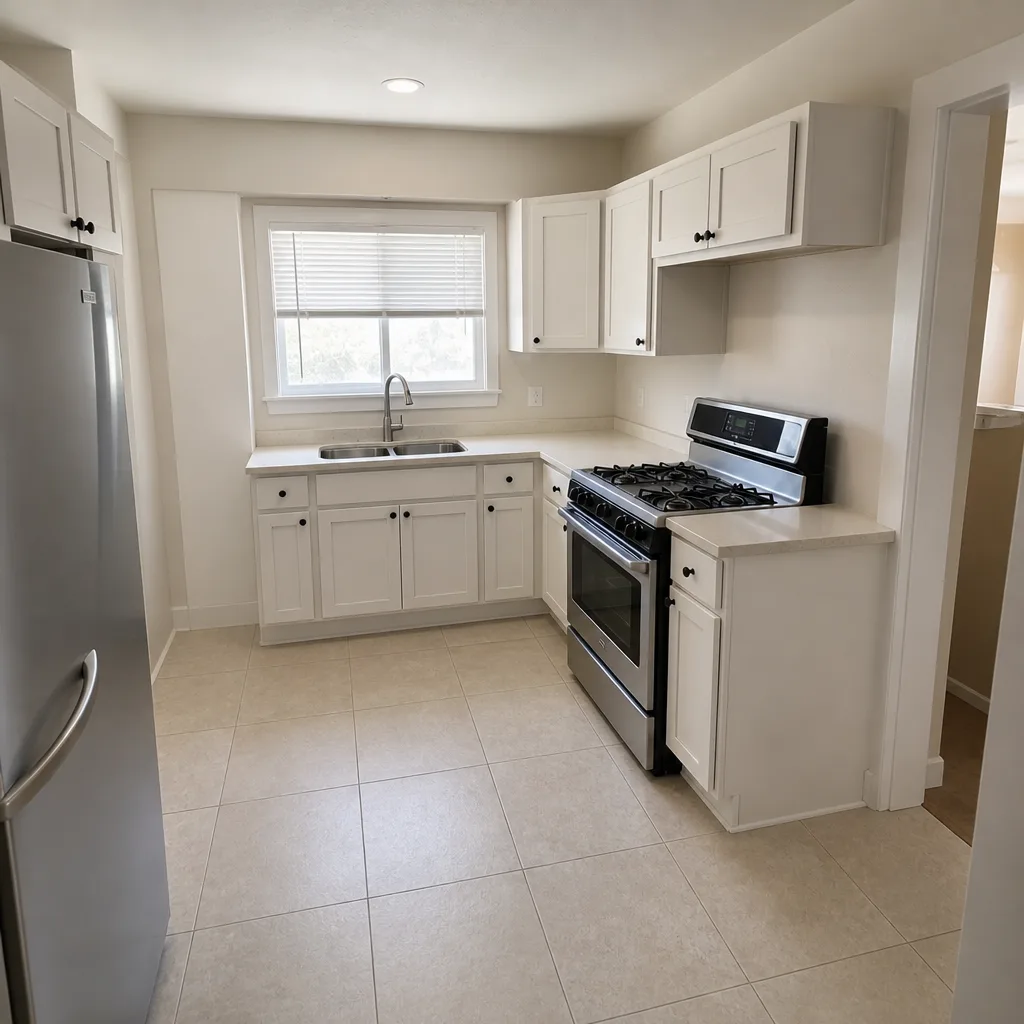 After
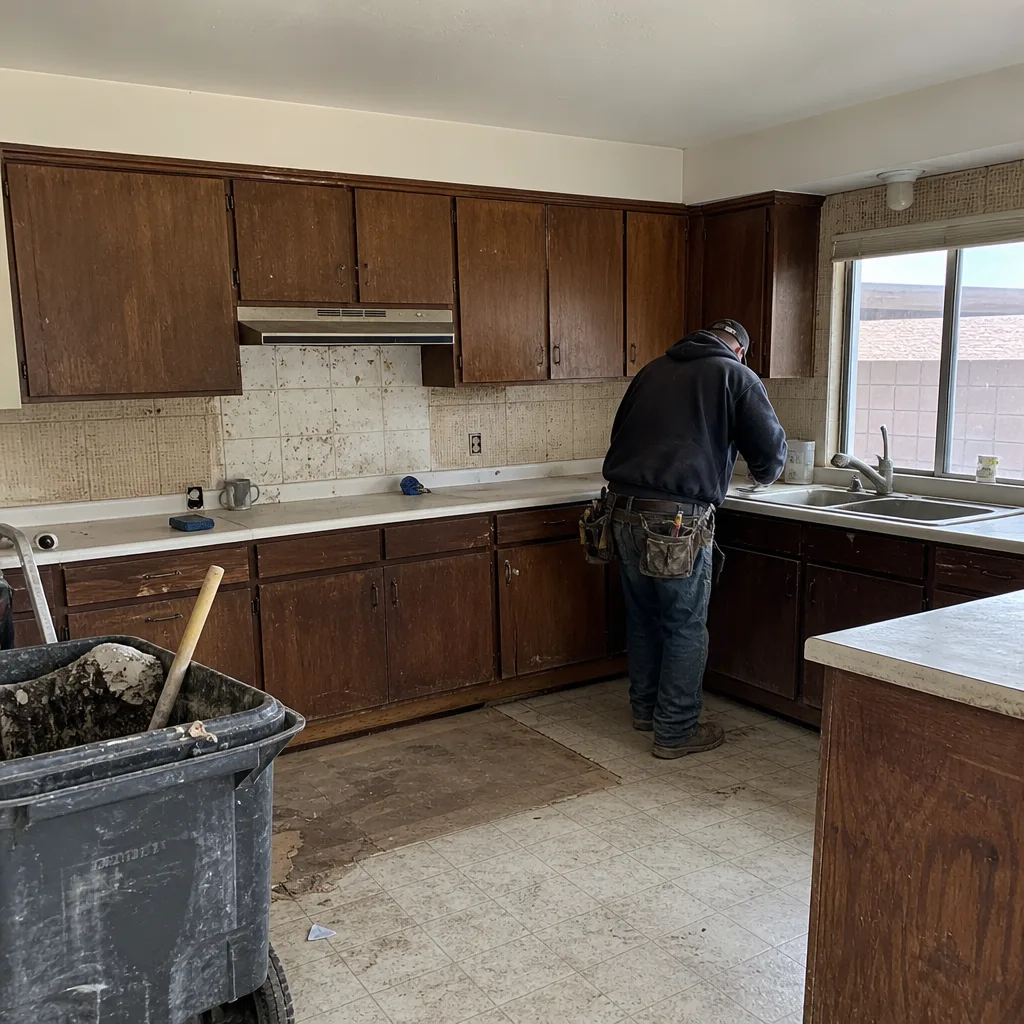 Before
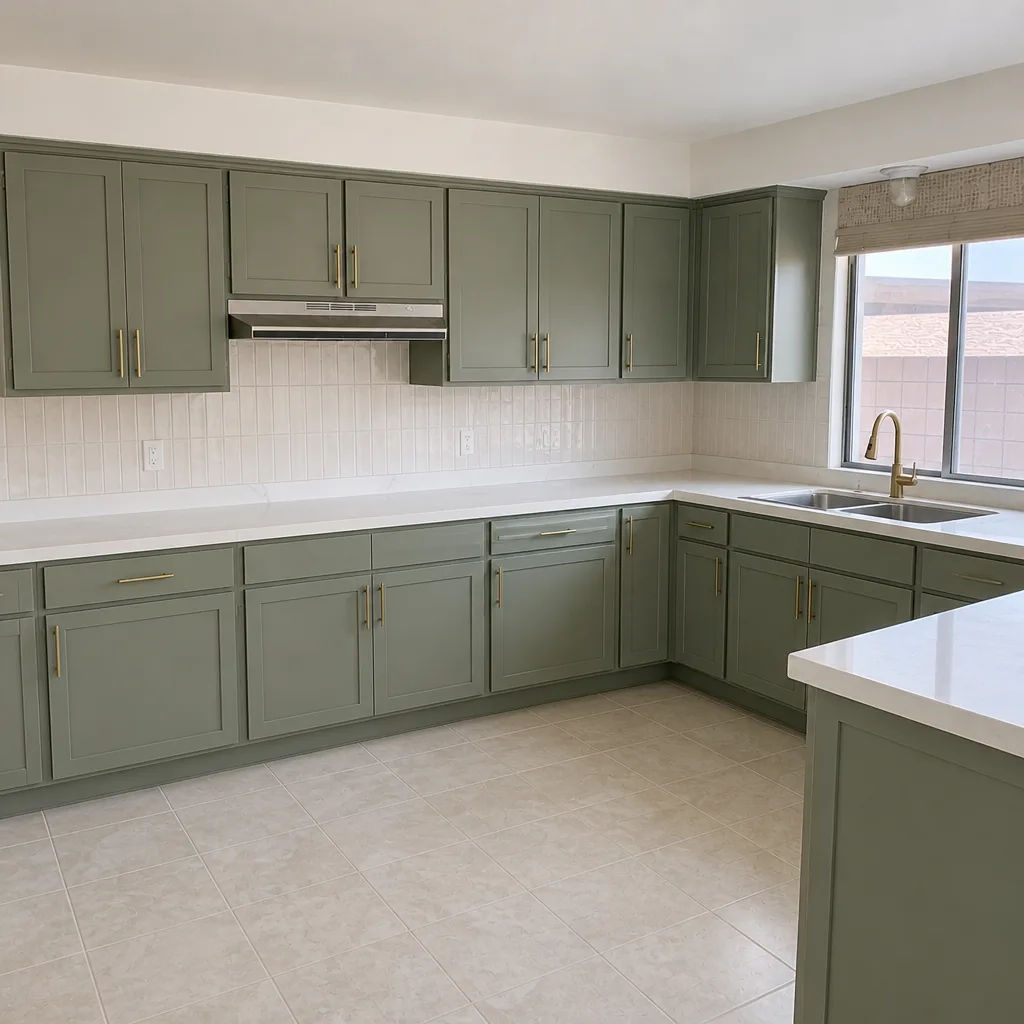 After
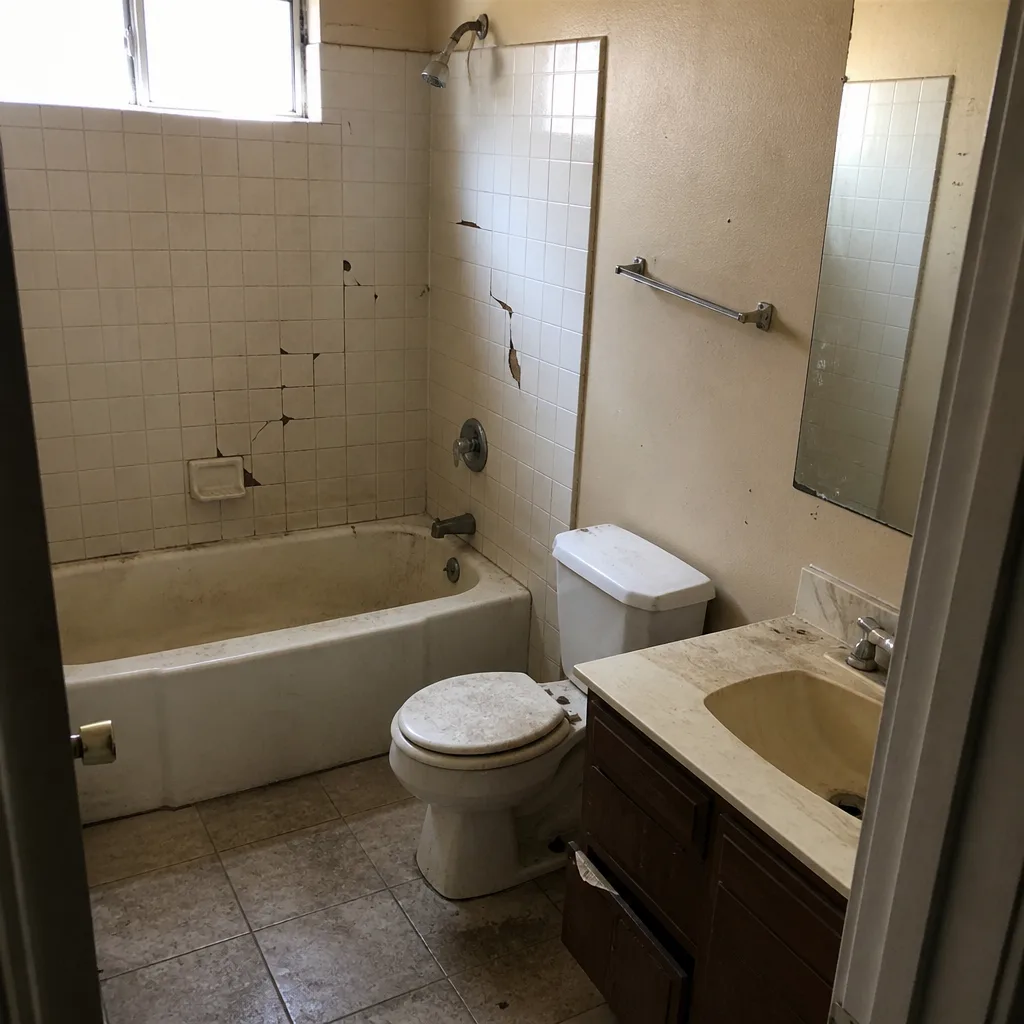 Before
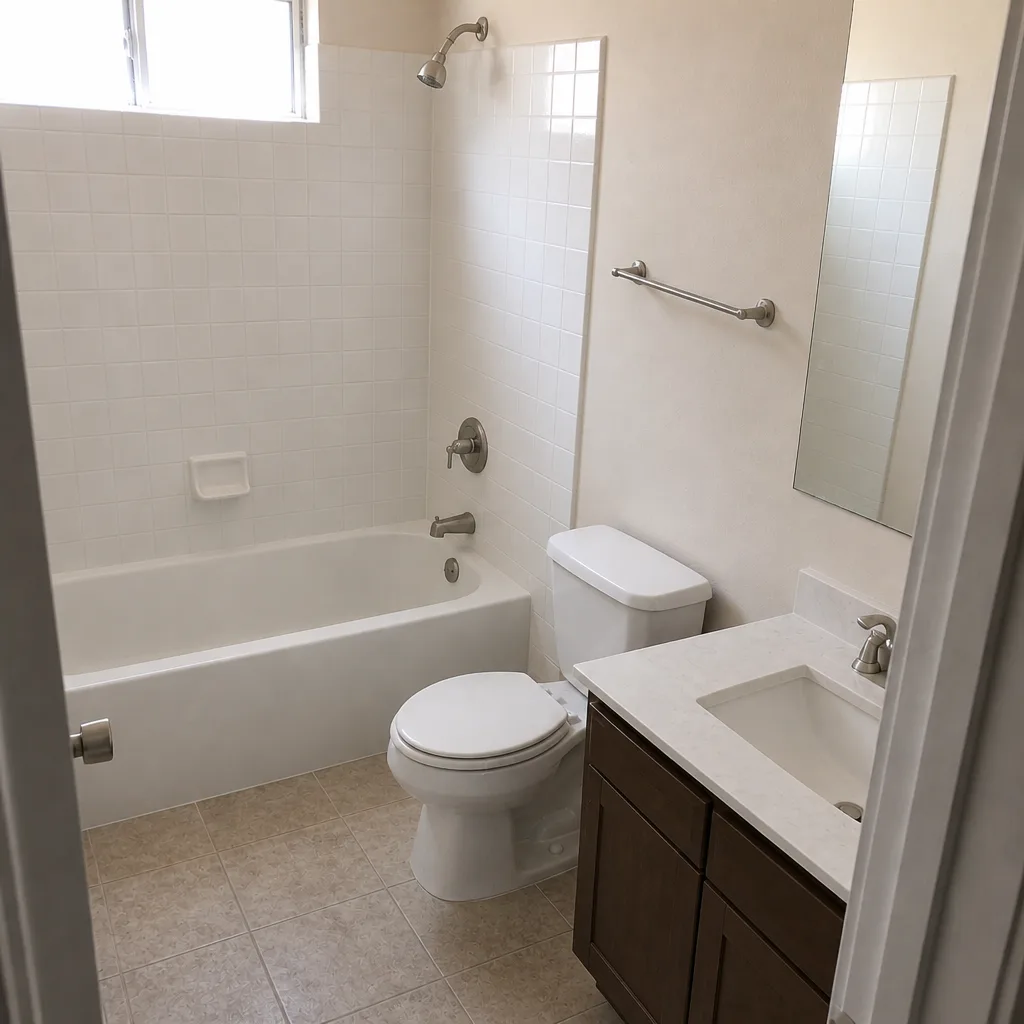 After
When to Call a Professional
Some warning signs you can read from the doorway. Others need a trained eye with a moisture meter, a scope, and a permit record. Call a professional when you’ve found active moisture behind a wall, when the subfloor feels soft near a tub or toilet, when a shower was built years ago and you have no idea whether a moisture barrier went in, or when a contractor’s written price is vague and they won’t clarify it. Call us too if you’re planning a Boulder City bathroom and want to understand the real contingencies before demo begins. Elmstead Remodeling Boulder City offers free estimates in Boulder City – call (855) 552-7882. A live person answers, day or night, so you’re never stuck leaving a voicemail.
Frequently Asked Questions
Repairing subfloor damage or wet framing behind a bathroom wall typically runs $2,000 to $6,000 depending on how far the damage spreads. The cost swings widely because it’s driven by how much framing and subfloor has to come out and whether the shower has to be rebuilt. A written price with a named contingency for hidden damage is how you keep that number from showing up as a surprise. Call (855) 552-7882 for an exact quote – estimates are free.
It shouldn’t if you’ve been given a written fixed price before work starts. A fair contractor expects some genuine unknowns behind the wall, but those should be handled with a written change order you approve before the work proceeds, with the number on it. A price that drifts without a signed change order is a warning sign. Call (855) 552-7882 to see how a written, fixed price works for your project.
Yes. Permits are pulled and inspections passed for any Boulder City bathroom work that requires them, which includes moving a drain, adding an electrical circuit, or changing a wall. Ask any contractor you’re comparing to show the inspection record. Permits are there to protect the house, and a contractor who treats them as optional is telling you something. Call (855) 552-7882 to talk through what your project needs.
Old staining is dry, brown or watermarked, with no softness and no smell, and it often can be sealed and left. Active moisture feels cool and damp, the framing is soft at the base, and there’s a musty smell when the cavity is opened. A moisture meter confirms it in seconds. The distinction matters because active wet framing has to dry and be treated before anything goes back on it. Call (855) 552-7882 for a free estimate if you’re not sure what you’re looking at.
A full bathroom remodel usually takes three to six weeks from demo to final walk-through, and hidden damage found at demo can push it past that. The biggest schedule variables are how long the permit and inspection cycle takes and whether the subfloor or framing needs repair. Getting the contingencies named before demo is how you keep the timeline predictable. Call (855) 552-7882 for a schedule tied to your actual scope.
You likely can’t see it once tile is set, which is why it pays to ask before tile goes on. Ask what waterproofing product is being used, whether it’s a bonded sheet membrane or a liquid-applied membrane, and whether it’s being installed to the manufacturer’s spec with lapped corners and the curb covered. If no one can show you the waterproofing before the tile, that’s the warning sign. Call (855) 552-7882 and we’ll walk you through how we protect wet areas on every bathroom.
The Bottom Line
The warning signs that cost families the most money appear after the bid, not before it. A written fixed price, materials named by brand, a named contingency for hidden damage, and a plan for what happens when the wall opens up are the four things that separate a remodel that finishes on budget from one that grows. Watch for missing moisture barrier, mastic in a wet zone, and soft subfloor answered with a shrug. Ask for the moisture meter reading and the inspection record. A crew that protects the floors, respects quiet hours, and photographs the clean-up is a crew that will protect the rest of the job too. The 365-Day Done Right Promise is stamped on every project; if it’s not done right, we make it right.
If you’re planning a bathroom in Boulder City and want your contingencies named before demo instead of after, call Elmstead Remodeling Boulder City at (855) 552-7882 for a free estimate. We give you a written price before any work starts and answer the phone with a live person, day or night.
Written by the team at Elmstead Remodeling Boulder City.