Last updated November 17, 2026
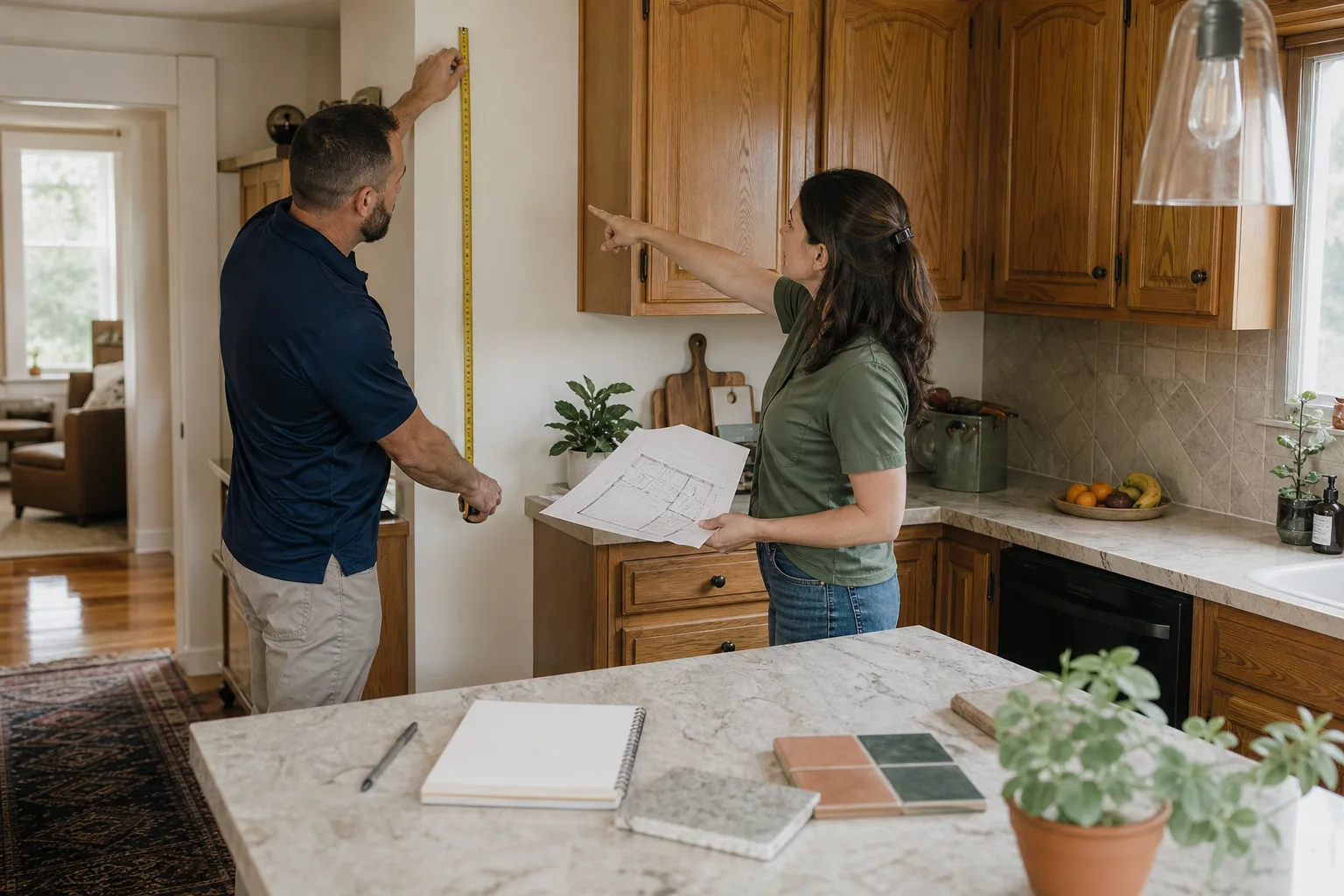
Free written scope consultation - allowances, timeline, and change-order rules on paper before a single trade is scheduled
Choosing the Right Construction Brand: A Buyer’s Guide for Boulder City
A standard vinyl window carries a 20-year warranty, but that warranty is typically voided when the product is installed in a climate zone where ambient temperatures regularly exceed 90°F at the frame. Boulder City crosses that threshold for roughly 100 days each year. Unless the homeowner specified a desert-rated PVC formulation from the start, the warranty they paid for doesn’t actually cover the conditions their house lives in. This guide explains what desert-rated and extreme-climate claims mean on a spec sheet, which third-party certifications back them up, and how to read a material warranty before a brand lands on a written bid.
Quick Answer
Choosing a construction brand for a Boulder City remodel is a performance decision, not a style preference. Look for products with a climate-zone rating that matches the Mojave (HardieZone 4 or HZ10 for siding, AAMA 2605 for exterior finishes, ENERGY STAR Most Efficient or NFRC listings for windows), a third-party report behind the claim (ICC Evaluation Service ESR or an equivalent), and a warranty that explicitly covers installation in high-UV, high-swing climates. A brand without those three things is a brand that may fail inside its own warranty period.
Styles & brands we work with
- Kitchen remodeling
- Bathroom remodeling
- Home additions & ADU
- Roofing
- Windows & doors
- Driveway & pavers
- Fence
Table of Contents
- What “Desert-Rated” Actually Means on a Spec Sheet
- Which Certifications Verify the Claim
- Named Brand Comparisons for Boulder City Homes
- How to Read a Material Warranty for Climate Exclusions
- Where to Spend More for Commercial-Grade Materials
- How a Written Bid Should Name What Gets Installed
- Product Categories That Matter in the Mojave
- Common Mistakes to Avoid
- When to Call a Professional
- Frequently Asked Questions
What “Desert-Rated” Actually Means on a Spec Sheet
“Desert-rated” is marketing language, not a regulated term. What it points to is a set of measurable performance thresholds the product was tested against: UV exposure in kilolangleys per year, temperature swing range, and – for exterior products – the ASTM G154 accelerated weathering protocol. A product labeled “extreme climate” should publish those thresholds in its technical datasheet, not just on the package. If the datasheet doesn’t state a temperature range or a UV exposure tolerance, treat the claim as decorative.
For Boulder City, three performance metrics matter most:
- Temperature cycle tolerance. Boulder City swings from overnight lows near 30°F in January to daytime highs near 105°F in July. Products must survive dozens of cycles per year without cracking or de-bonding at seal lines.
- UV exposure. The Las Vegas Valley gets around 5,500 to 6,000 watt-hours of solar radiation per square meter per day in summer. Standard exterior paint and caulk fade, chalk, and crack under that load faster than anywhere on the temperate coasts.
- Alkaline water and soil chemistry. Boulder City’s municipal water runs hard, with elevated calcium and magnesium. Fixtures, membranes, and grouts that aren’t rated for pH above 8.5 will corrode or degrade early.
When we specify materials for a Boulder City remodel, these three numbers decide the brand, not the color palette. Products designed for a Portland or Charlotte market heat load fail here inside ten years – often inside five.
Which Certifications Verify the Claim
Certifications are the only part of a spec sheet a homeowner can independently check. A brand that prints a certification is inviting scrutiny; one that prints only adjectives is avoiding it. Here are the four to look for, in the order they matter for Boulder City:
- ICC Evaluation Service (ICC-ES) Evaluation Service Report. An ESR is a third-party technical review of a product’s code compliance and installation requirements, published publicly. An ESR that covers “exterior wall cladding in climate zones 1-5” is the strongest single document behind a desert-rating claim.
- AAMA 2604 or 2605. These are the Architectural Aluminum Manufacturers Association standards for factory-applied finishes on aluminum and vinyl. AAMA 2605 is the commercial-grade tier – five-year South Florida weathering, ten-year chalk and fade performance. AAMA 2604 is a residential tier. Most window frames installed in Boulder City should meet 2604 at minimum; 2605 is worth paying for on south- and west-facing exposures.
- NFRC and ENERGY STAR. NFRC is the National Fenestration Rating Council; every window’s U-factor, SHGC, and visible transmittance must be NFRC-rated to be quoted in a bid. ENERGY STAR Most Efficient is a tier above the baseline program and is the correct target for Boulder City’s climate zone.
- ASTM E96 for vapor transmission, ASTM C920 for sealants. Every exterior joint on the house – every window perimeter, every siding seam – is only as durable as the sealant bridging it. Sealants without a C920 rating for “Class 35” or better will not survive a Mojave summer.
When we quote a Boulder City job, we name the certification, not just the brand. That way the homeowner can open the datasheet and see whether what we specified is actually what the manufacturer stands behind in this climate.
Named Brand Comparisons for Boulder City Homes
Three brand categories come up most often in this market, and each has a clear buying decision attached to it. Below is how we judge them for Boulder City conditions.
Fiber Cement Siding: James Hardie HardieZone 4 (HZ10) vs. Standard HZ5
James Hardie publishes two product zones on its siding: HZ5 for northern and coastal climates and HZ10 for high-UV, high-swing climates. HardieZone 10 is the correct spec for Boulder City. The two products look identical in a single sample; the difference is the primer chemistry and the substrate formulation, both tuned for the Mojave’s swing. A contractor who quotes “James Hardie siding” without naming the zone has quoted the wrong product for this house, or hasn’t checked. Beyond the siding itself, the brand’s warranty specifically excludes installation failures – which means the installer’s workmanship is the part that actually gets tested.
Low-E Windows: Milgard Tuscany vs. Andersen 100 Series
Both brands are reputable. For Boulder City, the deciding factor is how the frame handles UV and thermal expansion. Milgard’s Tuscany line is a premium vinyl with a distinct frame design; its Vinyl-Wood series sits above it in the lineup. The Andersen 100 Series uses Fibrex, a wood-polymer composite rated for desert swing because it moves less than PVC. For a Boulder City west- or south-facing wall, Fibrex is generally the safer long-term choice; for a north- or east-facing wall without direct afternoon sun, premium vinyl is a reasonable upgrade and often less expensive. The right question to ask isn’t which brand, it’s which product line and which exposure.
Elastomeric Exterior Coatings: Sherwin-Williams Loxon vs. Standard Latex
Conventional exterior latex is the wrong coating for Boulder City stucco. Loxon XP and Loxon Masonry Primer are elastomeric – they bridge hairline cracks that form as the stucco cycles, and their warranty covers “crack bridging” explicitly. A standard latex topcoat will look fine for two summers and then begin failing at exactly the crack lines you can’t see until the paint lets go. Loxon is more expensive per gallon; the delta is usually a few hundred dollars on a typical house and it buys several extra years before the wall has to be repainted. For Boulder City stucco, we spec Loxon unless a homeowner asks for the standard product in writing.
How to Read a Material Warranty for Climate Exclusions
Most homeowners read only the length of a warranty – “20-year,” “30-year,” “lifetime” – and never the exclusions. That’s exactly the part that matters in Boulder City. Every material warranty has four sections to check before a brand is specified:
- Climate exclusions. Look for statements like “void where installed in climate zones [X]” or “warranty limited in regions with UV exposure above [number].” Any such clause is a red flag that the product isn’t rated for the Mojave without a specific variant.
- Installation-method voids. Nail schedules, substrate requirements, and clearance from grade are the most common “gotchas.” A product installed over the wrong underlayment, or nailed at the wrong spacing, typically voids the manufacturer’s warranty regardless of whether the material itself fails.
- Labor-not-included clauses. Almost every material warranty covers replacement material only – not the labor to remove, dispose, and reinstall. This is the clause that quietly doubles the cost of a failure. The material warranty covers the new siding; you cover the $4,000 to $6,000 it takes to tear off and reinstall.
- Transferability and registration. Many warranties require the buyer to register the product within 30 to 90 days of installation. A brand whose warranty requires online registration is a brand the homeowner has to actually register – and the installer should hand over the paperwork to do it.
A strong brand’s warranty names the certification numbers, names the climate zone, and defines both parts and labor clearly. When a warranty does that, you can read it in ten minutes and know what you have. When it doesn’t, ask why.
Where to Spend More for Commercial-Grade Materials
In our experience, three product categories in a Boulder City remodel earn their upgrade cost back within five years because the failure cost dwarfs the upgrade cost by a factor of five or more. In each case, the commercial-grade material is the cheaper answer, not the more expensive one.
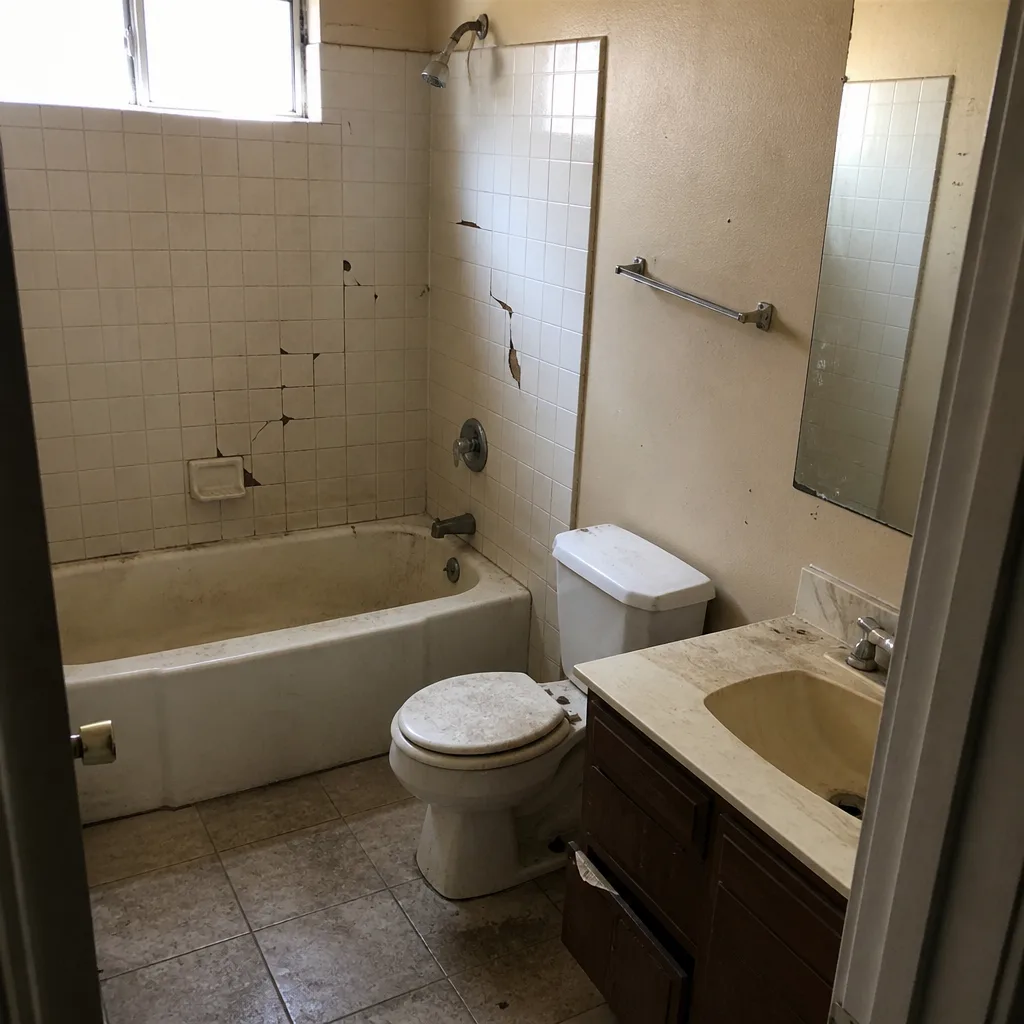
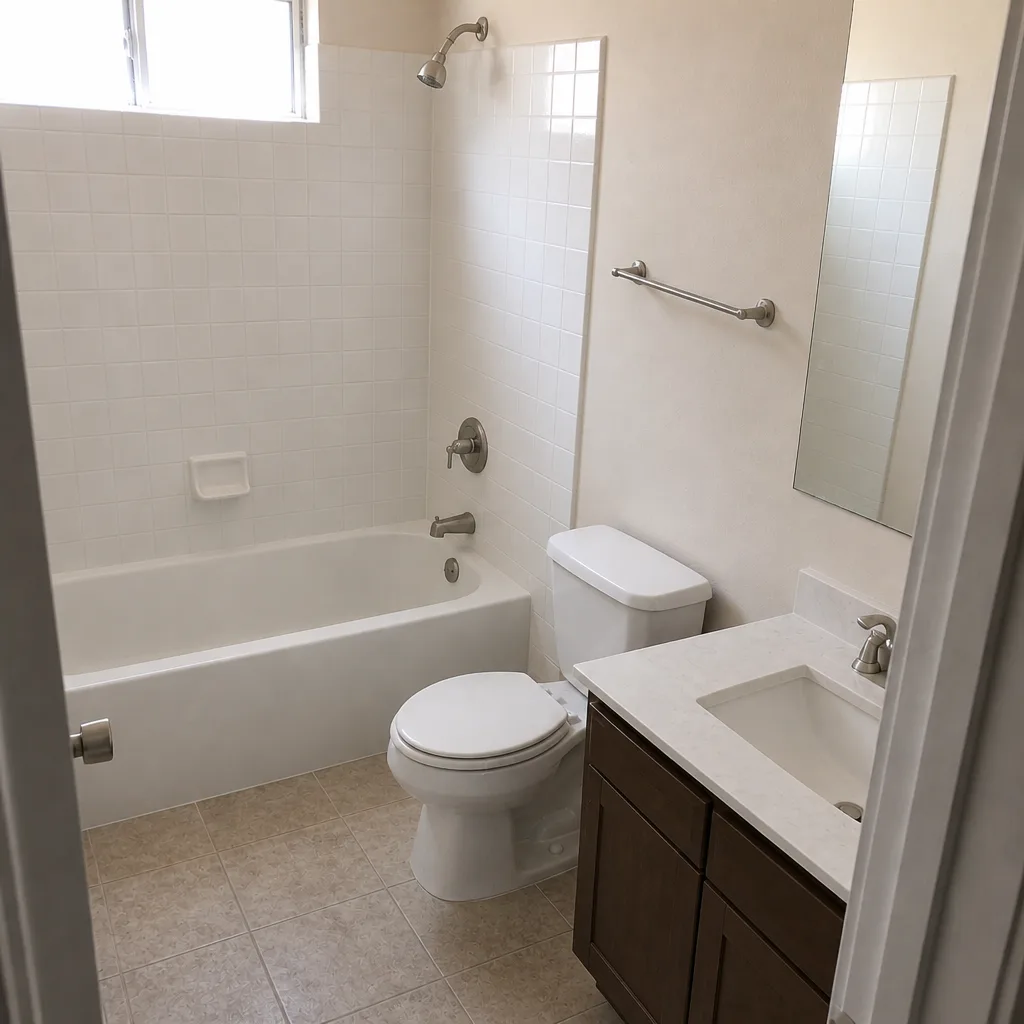
- Shower waterproofing membrane. A $300 roll of Schluter-Kerdi or a bonded-sheet membrane system is the difference between a shower that survives fifteen years and one that starts growing mold behind the tile in year three. The rebuild cost for a failed shower pan in Boulder City runs $6,000 to $9,000. That’s a 20-to-30x ratio.
- Tile backer board. Cement backer board (or a waterproof foam board like Schluter’s Kerdi-Board) is the standard. Greenboard drywall was used in older Boulder City builds and is not a substitute; the problem is not whether it gets wet, it’s what happens to wet gypsum over ten years.
- Roof underlayment. A synthetic underlayment rated for UV exposure (like GAF FeltBuster or a comparable ice-and-water shield at the valleys) costs a few hundred dollars more than standard #15 felt. In Boulder City’s UV load, felt degrades in under a year of exposure; a synthetic rated for 90-day UV exposure is the correct spec. The re-roof cost after an underlayment failure is $8,000 to $14,000.
Fixtures follow the same pattern. A $200 vs. $90 brass cartridge in a Moen or Kohler faucet is a $110 upgrade that saves the cost of a full fixture replacement – plus the plumber’s time – the first time the water chemistry eats a cheap cartridge.
How a Written Bid Should Name What Gets Installed
Everything covered so far only protects you if it makes it into the written price before work starts. A bid that says “James Hardie siding” or “premium window package” is a bid you can’t verify without standing on the jobsite every morning. A bid that names the brand, the product line, and the color or model number is one you can check from the kitchen table in ten minutes.
Here’s what a fully specified line item looks like from us on a Boulder City remodel:
“James Hardie HardiePlank lap siding, HZ10 zone, ColorPlus in Mountain Sage, nailed per manufacturer’s schedule over house wrap and flashing at all penetrations.”
You can search “HardiePlank HZ10 Mountain Sage” and see exactly what was quoted. You can call James Hardie to check the warranty terms. You can ask us for the datasheet before signing. If the installation contractor substitutes a different brand or line, it’s not a “premium upgrade” – it’s a change order and it should be signed before any change happens. This is also what the General Contractor in Boulder City page covers in more detail – how scope and specification get locked before demolition begins.
Product Categories That Matter in the Mojave
Not every material in a remodel carries the same climate risk. Exterior products carry almost all of it; interior products mostly carry the water and chemistry risk. Here’s the shape of the two:
- Exterior (climate-critical): windows, siding, exterior paint, caulk and sealants, roofing and underlayment, door thresholds and weatherstripping, exterior shutters and trim.
- Interior (chemistry- and water-critical): shower membranes and tile backers, plumbing fixtures and cartridges, floor finishes in wet areas, cabinet construction (plywood vs. particleboard boxes in kitchens), and paint rated for scrub-resistant child- and pet-traffic walls.
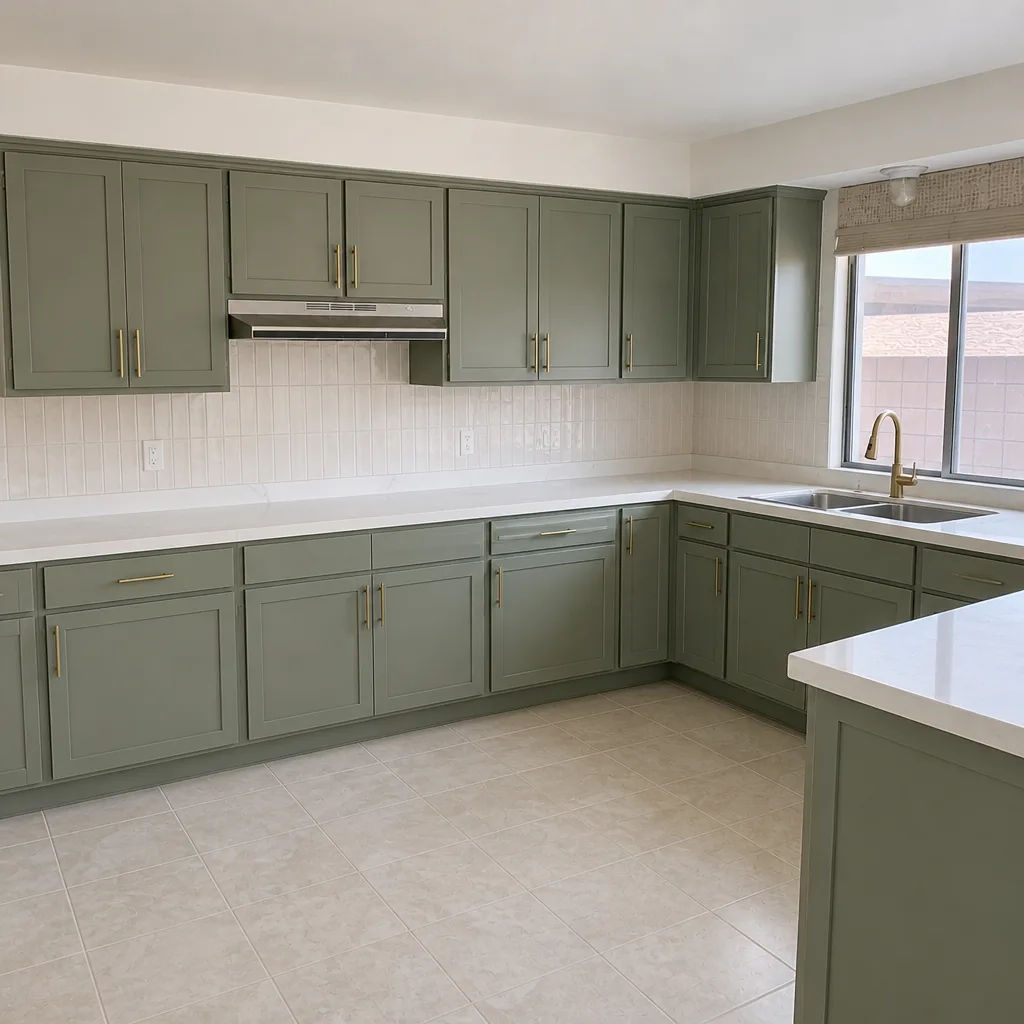
For interiors we spec KraftMaid or Wellborn cabinet lines, Cambria, Silestone, or Caesarstone counters, Kohler, Moen, or Grohe fixtures, and Schluter waterproofing – brands whose manufacturers publish their own climate- and water-chemistry tolerances and whose warranties carry through to the finished project. For a kitchen, the Kitchen Remodeling in Boulder City guide walks through the specific cabinet box and counter material decisions; for a bathroom, the Bathroom Remodeling in Boulder City guide covers membranes and waterproofing in more depth.
Common Mistakes to Avoid
- Buying on brand name alone. “We install James Hardie” is meaningless without the zone. “We install Milgard windows” is meaningless without the product line. The brand is the beginning of the decision, not the end of it.
- Skipping the ESR and datasheet. A real extreme-climate product publishes a technical datasheet with temperature ranges and UV thresholds. If the only document is a brochure, the brand hasn’t been tested for Boulder City conditions.
- Accepting “premium upgrade” without a product name. “Premium” is a marketing word. If the bid says “premium,” ask for the model number before signing.
- Under-specifying caulk and sealants. The cheapest line on the bid is often the most important one. A sealant without an ASTM C920 Class 35 rating will fail at every window perimeter inside two summers in Boulder City.
- Reading the warranty after installation. Warranty exclusions get checked before a brand goes on the bid, not after the siding is up. Labor-not-included clauses and installation-method voids are both pre-installation decisions.
- Assuming the material warranty covers labor. It almost never does. When a product fails, expect to pay removal and reinstallation costs yourself unless the installer’s own warranty – not the manufacturer’s – covers it.
- Choosing a contractor who quotes without naming brands. Written price first, brand name second, model number third. In that order. A bid that skips any of the three costs money at the end of the project.
When to Call a Professional
Brand selection, warranty reading, and specification work are the parts of a remodel where DIY research tends to cost more than it saves. If you’re choosing between a $4,000 and a $6,000 window package on a house in Boulder City, the $200 you save reading warranties yourself almost always gets spent the year the wrong frame cracks. Same with the shower membrane – one failed installation is a $6,000 rebuild.
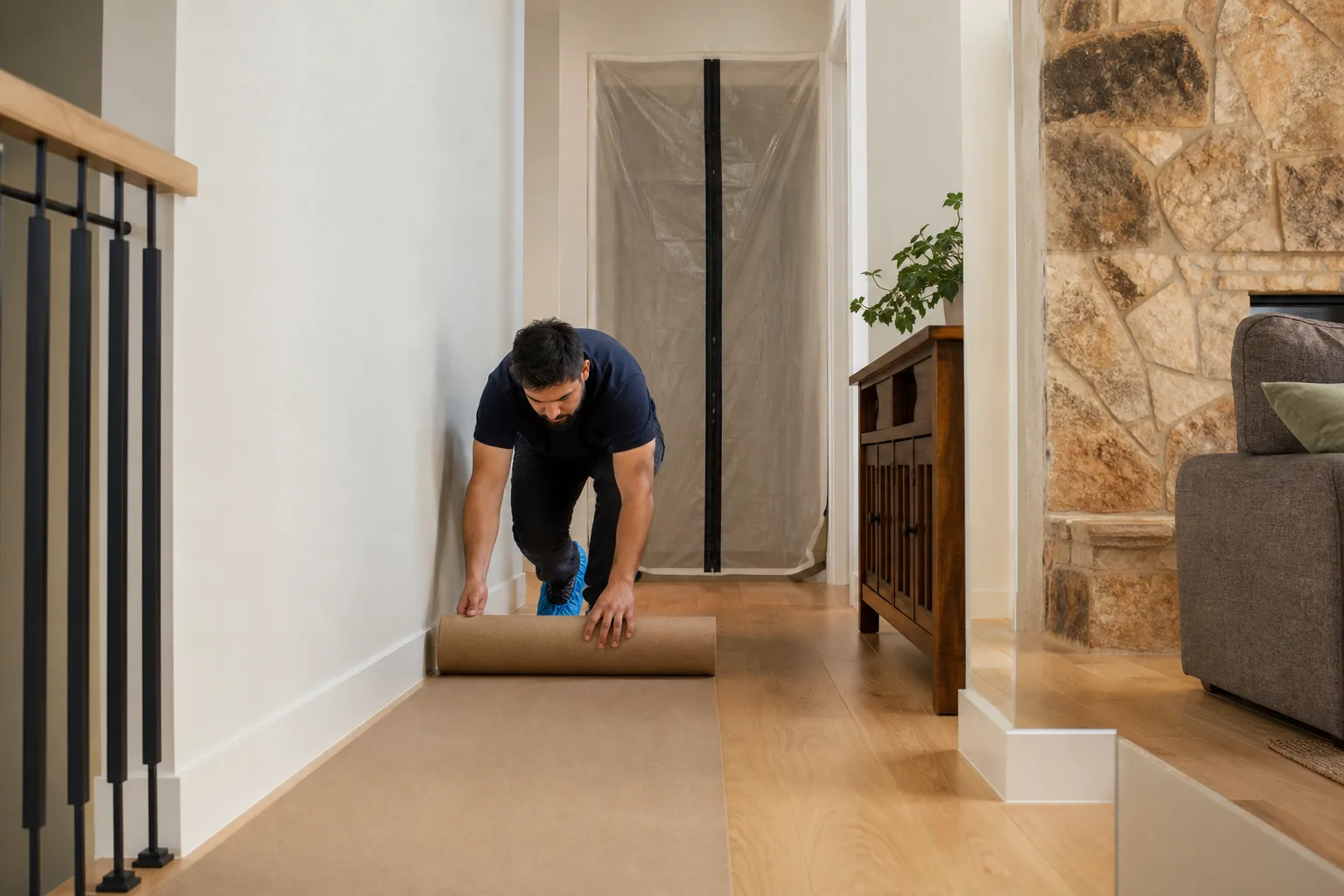
Elmstead Remodeling Boulder City offers free estimates in Boulder City. Our technicians have up to 21 years of experience, every visit includes shoe covers and drop cloths, and every project is governed by the Cedarwell Care Promise – a written price before any work starts, quiet tools during family rest hours where possible, and a photo of the clean-up before the crew leaves. Elmstead Remodeling Boulder City home has the full picture of what we do. Call (855) 552-7882 to schedule your free estimate.
Frequently Asked Questions
James Hardie fiber cement in the HardieZone 10 (HZ10) zone is the correct spec for Boulder City. HZ10 is engineered for high-UV, high-temperature-swing climates; the standard HZ5 product is rated for cooler regions and its warranty doesn’t cover Boulder City’s heat load properly. The brand matters less than the zone – HZ10 by James Hardie is a stronger choice than a premium-sounding brand without a zone rating.
Not all of them. A standard vinyl window’s warranty is often voided when installed where ambient temperatures at the frame regularly exceed 90°F, which Boulder City does for about 100 days a year. Look for a desert-rated PVC formulation, a Fibrex or composite frame, or an AAMA 2604/2605 rated frame, and check the NFRC label. If your window is on a west- or south-facing wall in Boulder City, ask the contractor for the specific frame material before signing.
Read the exclusions section, not the year count. A warranty that covers climate failures names the climate zone it’s valid in, names any UV or temperature limits, and doesn’t void the warranty for installation-method reasons unless the installation actually failed the manufacturer’s schedule. A warranty that says “product failures” without climate language is usually excluding climate failures by omission. Call (855) 552-7882 and we’ll walk through what a specific product’s warranty covers before you commit.
An ICC-ES Evaluation Service Report (ESR) is the highest-value single document because it’s a third-party technical review of the product’s code compliance. AAMA 2604 or 2605 for exterior finishes, NFRC and ENERGY STAR for windows, and ASTM C920 for sealants round out the list. If a product’s spec sheet doesn’t cite any third-party certification, it hasn’t been independently verified for the conditions in this climate.
Yes, in three categories: shower waterproofing membrane, tile backer, and roof underlayment. Each of those upgrades costs a few hundred dollars; the failure cost for each runs $6,000 to $14,000. The math is one-sided. Cabinets, counters, and fixtures also pay back in the same way when the brand is a Moen, Kohler, Grohe, KraftMaid, Wellborn, Cambria, Silestone, or Schluter product whose warranty carries through to the finished project. Estimates are free – call (855) 552-7882 for an exact quote on your scope.
We name the brand, the product line, and the model number on the written price before any work starts. Every visit includes shoe covers and drop cloths, and every job includes a photo of the clean-up before the crew leaves – because the brand of the products is only half of what a homeowner is buying; the other half is how the house is left. The Boulder City page has the details of what we do and how the Cedarwell Care Promise works in the field. Call (855) 552-7882 to schedule a free estimate.
The Bottom Line
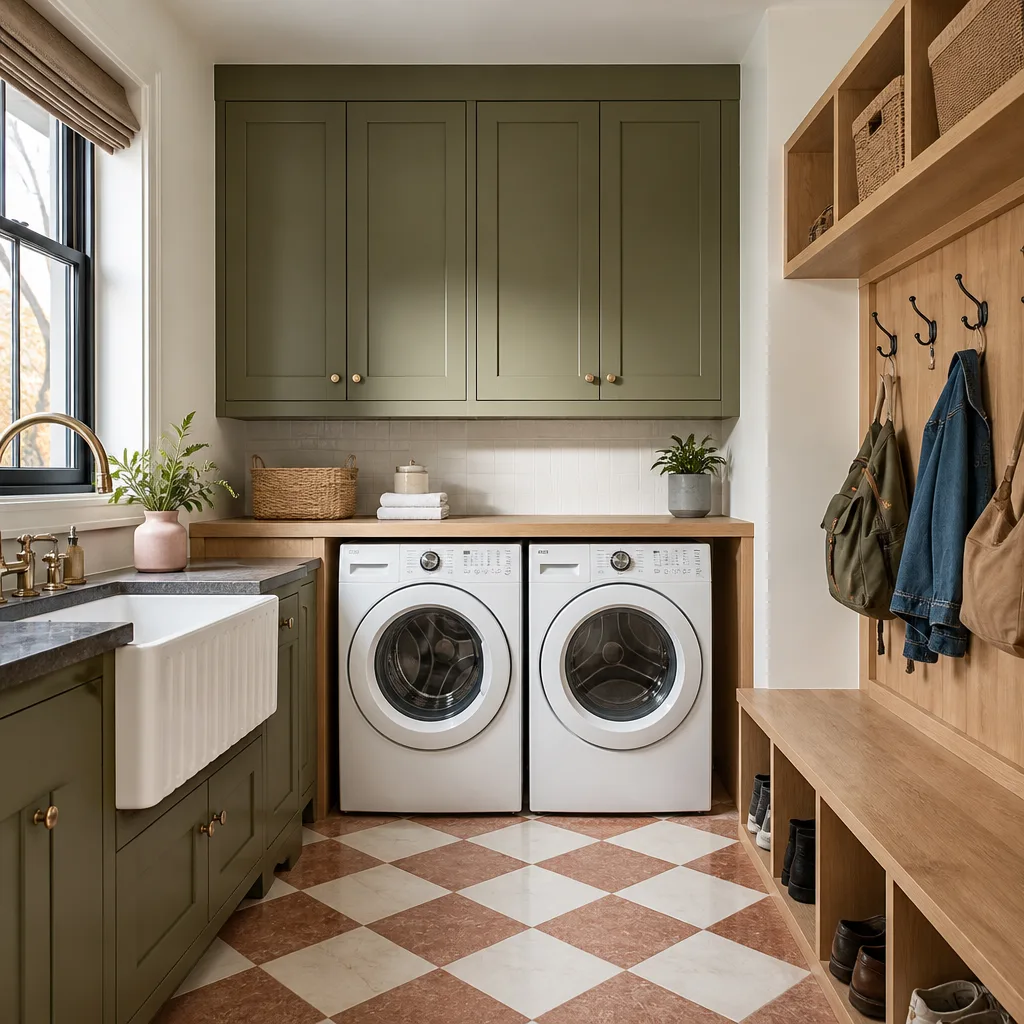
Brand selection in a Boulder City remodel is a performance specification. The three things that decide whether a product survives its own warranty in this climate are the climate-zone rating (HZ10 for siding, Fibrex or desert-rated PVC for windows, elastomeric for stucco), a third-party document behind the claim (ICC-ES, AAMA, NFRC, ASTM), and a written bid that names the brand, the line, and the model number before demolition starts. When a brand meets all three, the product usually outperforms a fancier name that doesn’t. When it fails any one of the three, the material’s failure cost – usually five times or more the upgrade – lands on the homeowner. Choose the specification, not the label, and add Elmstead Remodeling Boulder City to the shortlist of contractors who will put it on paper.
Written by the team at Elmstead Remodeling Boulder City.
See the difference
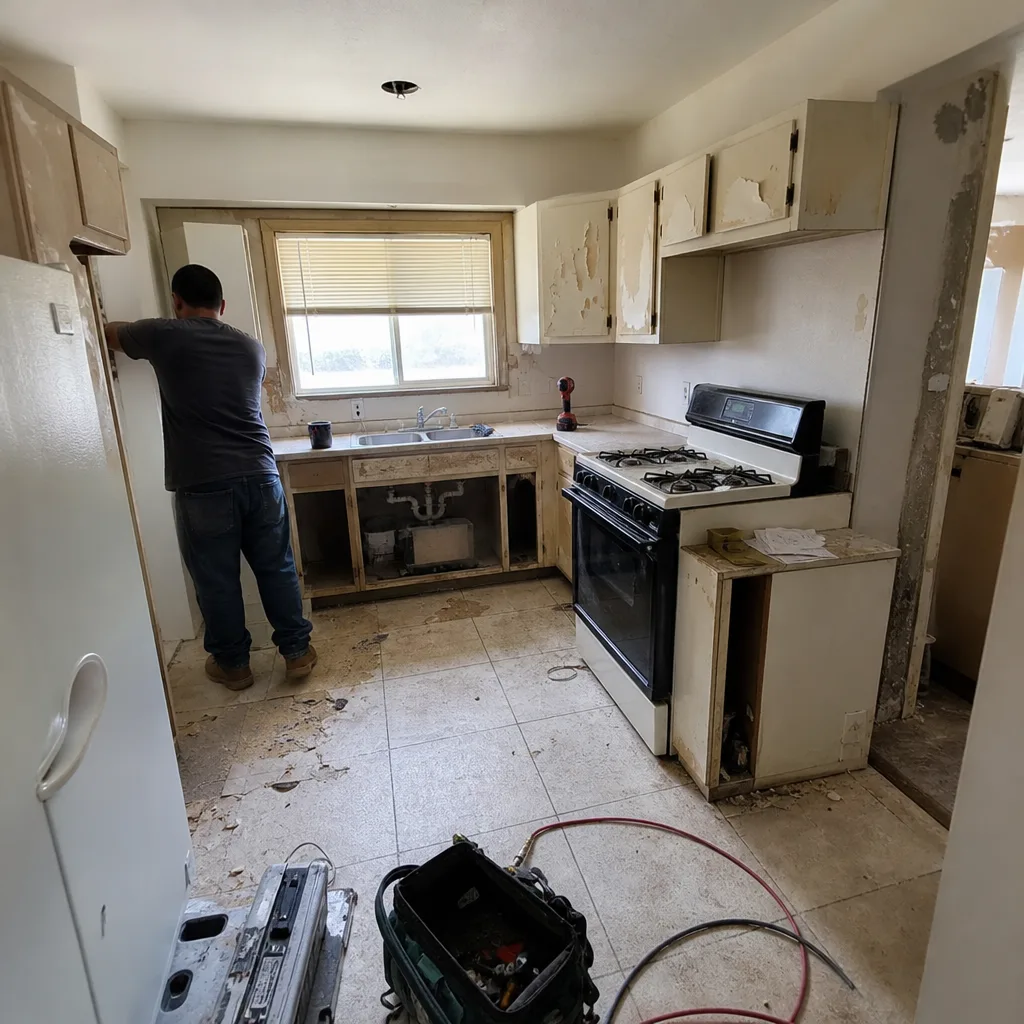 Before
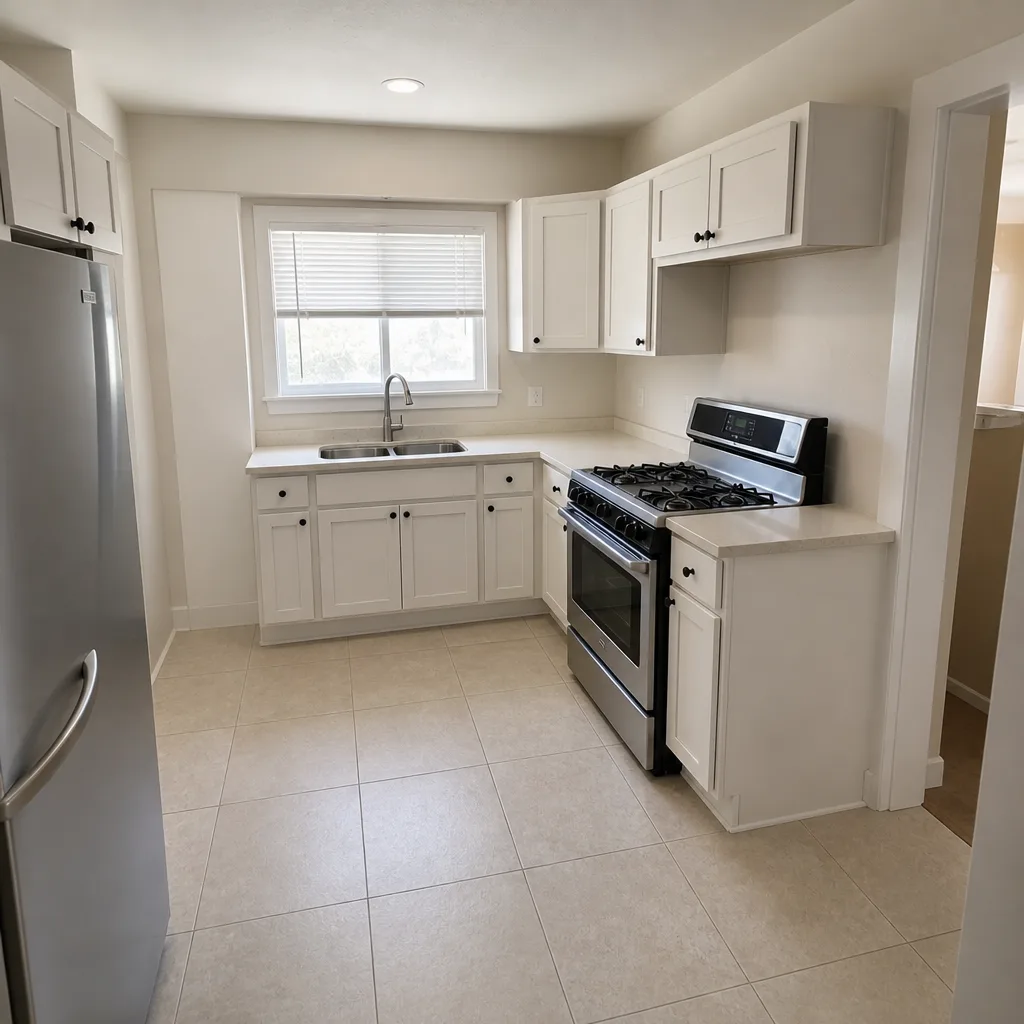 After
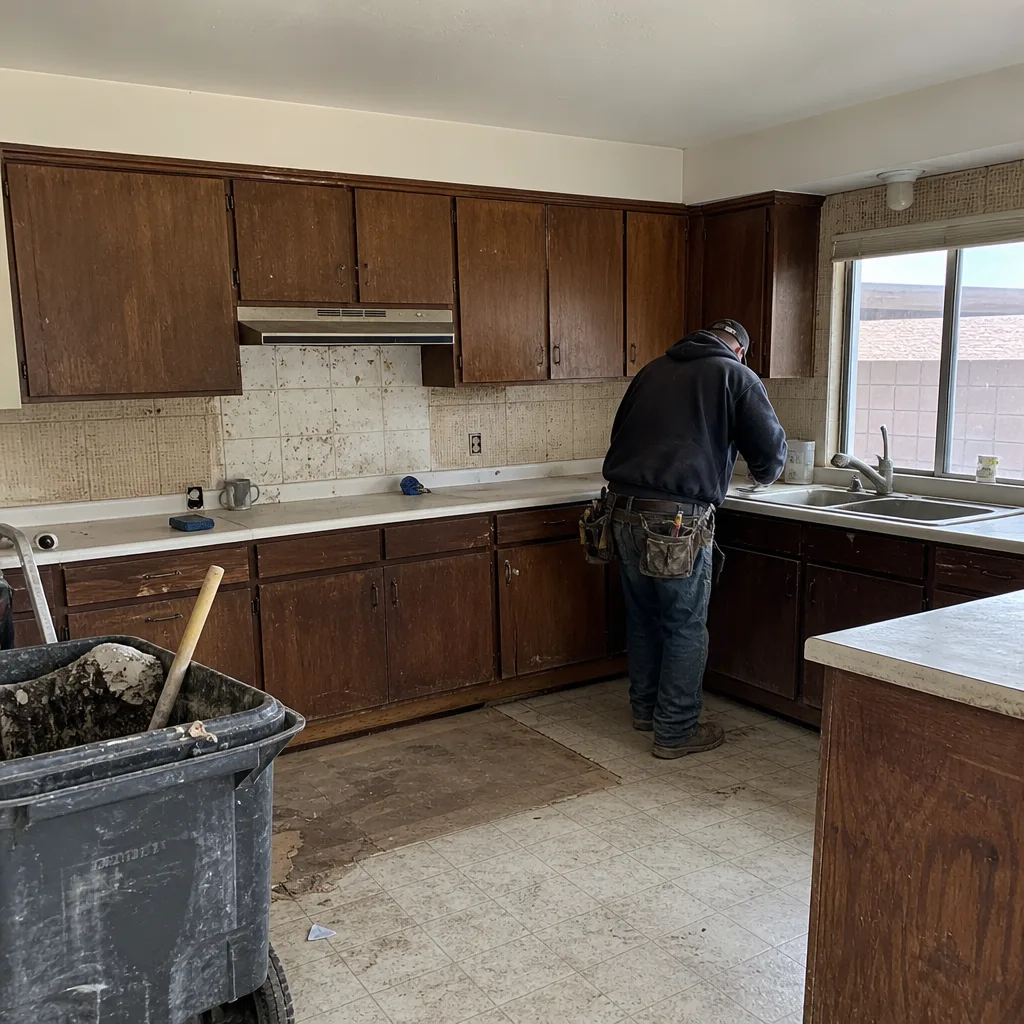 Before
 After
 Before
 After