Last updated November 17, 2026








Free written scope consultation - allowances, timeline, and change-order rules on paper before a single trade is scheduled
DIY vs Professional Home Remodeling: What’s Safe to Do Yourself
A homeowner in Boulder City who tiles their own shower saves roughly $800 in labor. But an unpermitted tile job laid over a failed waterproofing membrane can cost $6,000 to open, correct, and re-inspect before a home sale closes. That gap is the whole conversation. The real DIY line isn’t skill, it’s liability: what happens to your insurance coverage, your permit record, and your resale value when unpermitted work surfaces years later. This guide draws that line clearly, separating the weekend projects that genuinely belong in your hands from the ones that quietly put your home at risk, with Boulder City specifics throughout.
Quick Answer
Painting, cabinet hardware, non-structural shelving, and swapping a like-for-like light fixture are safe for a careful DIYer and carry no licensing implications. Anything involving electrical circuits, plumbing rough-in, structural changes, waterproofing, or gas is a liability decision, not a skill decision, because unpermitted or non-licensed work can void manufacturer warranties, complicate an insurance claim, and stall a home sale in Boulder City. If the work touches a permit category, hire a licensed professional.
Styles & brands we work with
- Kitchen remodeling
- Bathroom remodeling
- Home additions & ADU
- Roofing
- Windows & doors
- Driveway & pavers
- Fence
Table of Contents
- The Real DIY Line Is Liability, Not Ego
- Boulder City Permit Categories Homeowners Underestimate
- What’s Genuinely Safe to Do Yourself
- How DIY Void a Named-Brand Warranty
- The Insurance Gap With Unpermitted Work
- Written Price vs DIY Materials Estimate
- What Unpermitted Work Does to Resale
- Boulder City Climate and Why It Changes the Math
The Real DIY Line Is Liability, Not Ego
Most DIY advice frames the decision around confidence. Can you handle a tile saw? Do you know how to sweat a copper pipe? That framing misses the part that actually costs money. The question isn’t whether you can do the work, it’s what happens to your home’s record, your warranty coverage, and your insurance claim if the work is questioned later.
We’ve seen this play out in Boulder City more than once. A homeowner finishes a bathroom themselves, the work looks clean, and then a buyer’s inspector flags the lack of a permit at the eleventh hour. The correction, the re-inspection, and the negotiation that follows can undo every dollar the project saved. The work was fine. The paperwork wasn’t.
Here’s the practical filter. Ask three questions before you pick up a tool:
- Does this work require a permit in Boulder City? If yes, the liability shifts the moment you skip it.
- Does a manufacturer warranty depend on licensed installation? Fixtures, cabinetry, and many surfaces do.
- If this fails, will my homeowner’s policy cover it? Unpermitted work often answers that question with a no.
If all three answers point toward “you’re clear,” the project belongs in your hands. If any one points toward a permit, a warranty, or a coverage gap, it belongs with a licensed professional. That’s the line. Everything below is about where it falls. For the work that crosses it, our General Contractor in Boulder City team handles the permitting and inspection from start to finish.
Boulder City Permit Categories Homeowners Underestimate
The three categories homeowners consistently misjudge are electrical, structural, and plumbing rough-in. Each one feels smaller than it is from the inside of the project.
Electrical. Adding a circuit for a bathroom vanity, moving a kitchen outlet, or replacing a panel connection all require a permit and an inspection in Boulder City. A like-for-like fixture swap on an existing switched circuit usually doesn’t. The distinction is whether you’re changing the wiring or the load, not whether you’re comfortable with wire nuts.
Structural. Any wall removal, beam addition, or opening change is a permit item, and the reason is simple: the inspector is verifying that a load path exists after the wall comes down. A “non-load-bearing” wall that turns out to carry a ceiling load is one of the most expensive surprises in remodeling.
Plumbing rough-in. Moving a drain, relocating a supply line, or adding a fixture that needs a new tie-in all trigger permits and inspection. Here’s the part homeowners don’t see: the waterproofing and rough-in behind a shower wall gets inspected before the tile goes on. Skip the permit and you skip the inspection, and the failure stays hidden until it’s a $6,000 correction.
- Permit required: new circuits, panel changes, drain relocation, supply line moves, wall removal, beam additions, any waterproofing behind a wet area.
- Usually permit-free: painting, trim, cabinet hardware, non-structural shelving, like-for-like fixture swaps on existing circuits.
If you’re planning a full bath or kitchen and want a straight answer on which permits apply to your address in Boulder City, our Bathroom Remodeling in Boulder City page walks through the inspection sequence in plain terms.
What’s Genuinely Safe to Do Yourself
There’s a real list of work that belongs in your hands, and it’s not as short as contractors sometimes imply. These projects carry no licensing implications and no permit exposure, and a careful homeowner can do them well in a weekend.
- Painting. Walls, ceilings, trim. Prep is the whole job, and a homeowner who takes prep seriously gets a better result than a rushed crew.
- Cabinet hardware. Pulls, knobs, and hinges are a genuine upgrade that costs $50 to $150 in parts and an afternoon of drilling.
- Non-structural shelving. Closet systems, pantry shelving, and garage wall organizers, as long as you’re anchoring into studs and not cutting into a wall cavity.
- Caulking and grout maintenance. Re-caulking a tub surround or refreshing grout lines is safe, cheap, and protects the waterproofing underneath.
- Cosmetic fixture swaps. A pendant light replaced one-for-one on an existing switched circuit, or a faucet swapped where the supply lines already match.
- Landscaping and yard work. Planting, mulching, and simple hardscape that doesn’t involve irrigation tie-ins or grading.
Notice what these have in common. None of them open a wall, change a load, or touch a drain. A client in Boulder City asked us once whether switching out cabinet pulls counted as a remodel. It doesn’t, and doing it yourself is exactly the right call. Save the professional budget for the work that carries a permit.
How DIY Void a Named-Brand Warranty
This is the part that surprises homeowners most. A Moen or Kohler faucet often carries a generous warranty against defects, sometimes measured in decades. Read the fine print and you’ll find a common condition: the warranty covers defects in materials and workmanship, but it assumes correct, professional installation. Install it yourself and a leak that traces back to the install falls outside the coverage.
We’ve seen it happen with our own eyes. A client in Boulder City installed a Moen shower valve themselves to save on labor. Two years later the valve cartridge failed and water found the wall cavity. The manufacturer’s warranty didn’t cover the resulting damage because the finish material had been opened by someone other than a licensed installer. The fixture was covered. The wall wasn’t.
This same logic applies across the named-brand products that travel with a finished remodel:
- Cabinets from KraftMaid and Wellborn carry warranties that assume professional installation and correct leveling.
- Countertops from Cambria and Silestone warrant the slab, but not a failure caused by an installer who didn’t account for cabinet deflection.
- Exteriors from James Hardie and GAF warranty the product, not a flashing or installation error that lets water behind it.
The pattern is consistent. Manufacturer warranties cover the product. They don’t cover the consequences of a flawed install, and unpermitted or non-licensed work is usually the reason a claim gets denied. When you buy a ten-year fixture, you’re partly buying the installation guarantee behind it. That guarantee is the thing DIY quietly gives away.
The Insurance Gap With Unpermitted Work
Here’s the coverage question homeowners ask us most: if unpermitted work causes damage, will the homeowner’s policy pay? The honest answer is that a standard policy covers sudden, accidental damage, and it very often excludes or reduces coverage for work that was never permitted or inspected. The gap isn’t in the contract language homeowners read at closing. It sits in the claims process, when the adjuster asks for the permit record and finds nothing.
Consider two versions of the same failure. In version one, a licensed plumber moves a shower drain, the work is inspected, and the drain later fails. The policy sees documented, code-compliant work and the claim processes normally. In version two, the homeowner does the same drain work without a permit, and the failure causes $12,000 in damage to the floor below. The adjuster sees no inspection record and the claim gets contested.
Boulder City homeowners should know this before they start, not after. Our point isn’t to frighten anyone into hiring a contractor. It’s that the insurance question turns on paperwork that most people never think about until they need it. If your project carries any permit category, the permit and the inspection are doing the same job as the policy itself: they’re the proof that the work is what it says it is.
This is where the Cedarwell Care Promise matters. On every Elmstead project, we include a written price before any work starts, pull the permits, and pass the inspections, so the record follows the home. The work and the paperwork are handled together.
Written Price vs DIY Materials Estimate
Most homeowners price a project by adding up materials and stopping there. That’s where the gap feels biggest and where it’s usually smallest. A real comparison includes permits, tool rental, disposal, inspection, and the value of your own weekends.
Here’s a realistic side-by-side for a Boulder City bathroom refresh, using rough ranges:
- DIY materials estimate: $3,500 to $5,200 for tile, membrane, fixtures, and paint, plus permit fees if you pull them.
- Tool rental: $200 to $400 for a wet saw, tile snips, and a demo hammer, more if you rent a mixing station.
- Disposal: $150 to $350 for a dumpster or haul-away.
- Your time: two to four weekends, and the project sits unfinished if life intervenes.
- Professional written price: typically $8,000 to $14,000 for the same scope, permits and inspection included, with materials from named brands like Kohler or Moen.
Add the DIY line items honestly and the gap narrows to a few thousand dollars, not the ten-thousand-dollar difference homeowners expect. And the professional side includes the 365-Day Done Right Promise, the longest-standing post-project commitment in its service area: if it isn’t done right, we make it right. When you add the warranty and the permit record to the professional column, the comparison changes. For a full-kitchen scope, see the pricing detail on our Kitchen Remodeling in Boulder City page.
What Unpermitted Work Does to Resale
A permit record is part of a home’s history in Boulder City, and buyers’ inspectors look for the gaps. Unpermitted work doesn’t always kill a sale, but it almost always shows up at the worst moment: after the offer, in the inspection report, when the buyer has leverage and you have a deadline.
The practical consequences usually look like this:
- Buyer’s inspection flags it. An unpermitted bathroom or addition shows up as an open item, and the buyer wants it corrected before closing.
- Correction costs more than the original work. Opening a wall to inspect the waterproofing, then re-tiling and re-inspecting, runs far past the money saved by skipping the permit.
- The lender gets involved. Some loan types won’t close on a property with unresolved permit issues, which pushes the correction into your timeline, not the buyer’s.
- The price gets renegotiated. Even when a buyer accepts the work, an unpermitted record is leverage for a lower offer, and that reduction usually exceeds the savings.
This is the crux of the whole guide. The DIY boundary isn’t about whether you’re handy. It’s about whether the work leaves a record that protects the value you’ve built. Our Elmstead Remodeling Boulder City home page covers how we structure projects so the record and the result arrive together.
Boulder City Climate and Why It Changes the Math
Boulder City sits in the desert, and that changes the DIY math in ways general advice doesn’t account for. The dry air and intense summer sun mean wet areas dry fast, which sounds like a gift. It’s not. Rapid drying is exactly what stresses a tile or grout job done without a proper membrane, because the surface dries before the bond has fully cured.
Our technicians have up to 21 years of experience in this climate, and they’ve seen the pattern repeat. Spring failures in Boulder City bathrooms often trace back to a waterproofing membrane installed in low humidity without the right cure time. The material was fine. The conditions weren’t.
Exterior work has its own rhythm. Paint and hardie-board installs scheduled in direct summer sun fail faster than the same work done in the cooler morning hours, and a homeowner working solo on a weekend tends to work exactly when conditions are worst. If your project involves any waterproofing, irrigation, or exterior finish work, the timing matters as much as the technique. That’s one more reason the permitting and inspection sequence is worth having a professional manage.
Common Mistakes to Avoid
- Skipping the permit to save a weekend. The permit fee is small next to the cost of correcting discovered work later. We’ve seen a Boulder City homeowner pay six times the permit cost to correct a shower they finished themselves.
- Assuming “non-load-bearing” without a structural review. A wall that looks like a partition can carry a ceiling load. Confirm it before removing anything.
- Tiling over a membrane without a flood test. This is the single most expensive DIY error we see in Boulder City, because the failure stays hidden behind the tile until it’s severe.
- Not reading the warranty before self-installing a fixture. A Moen or Kohler warranty assumes licensed installation. That assumption is the whole point of the warranty.
- Renting tools without pricing them in. A weekend tool rental can add several hundred dollars to a project that was already close to professional pricing.
- Working in the wrong season for the material. Boulder City’s dry heat punishes exterior paint and membrane work done in direct afternoon sun. Schedule around the climate, not the calendar.
- Forgetting the disposal. Demo debris has to go somewhere, and a curb full of old tile is not a plan.
See the difference
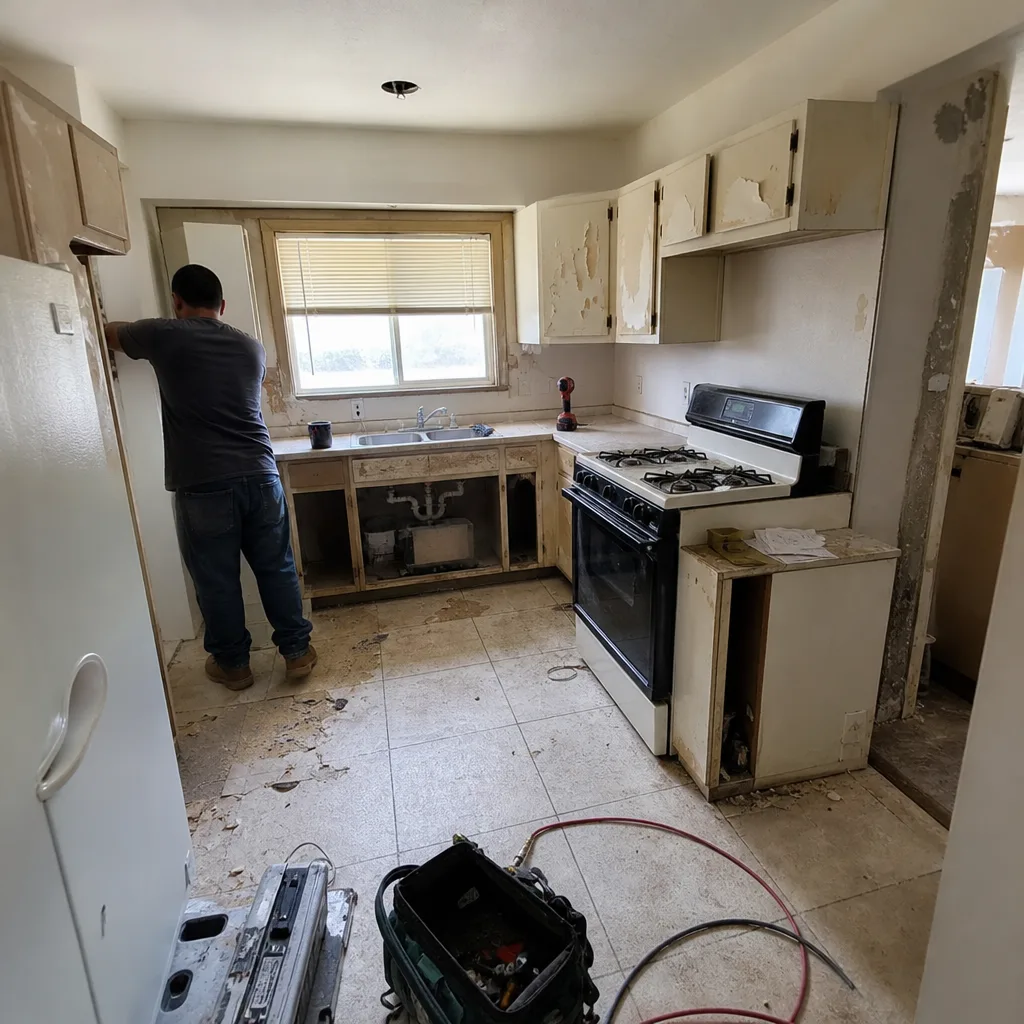 Before
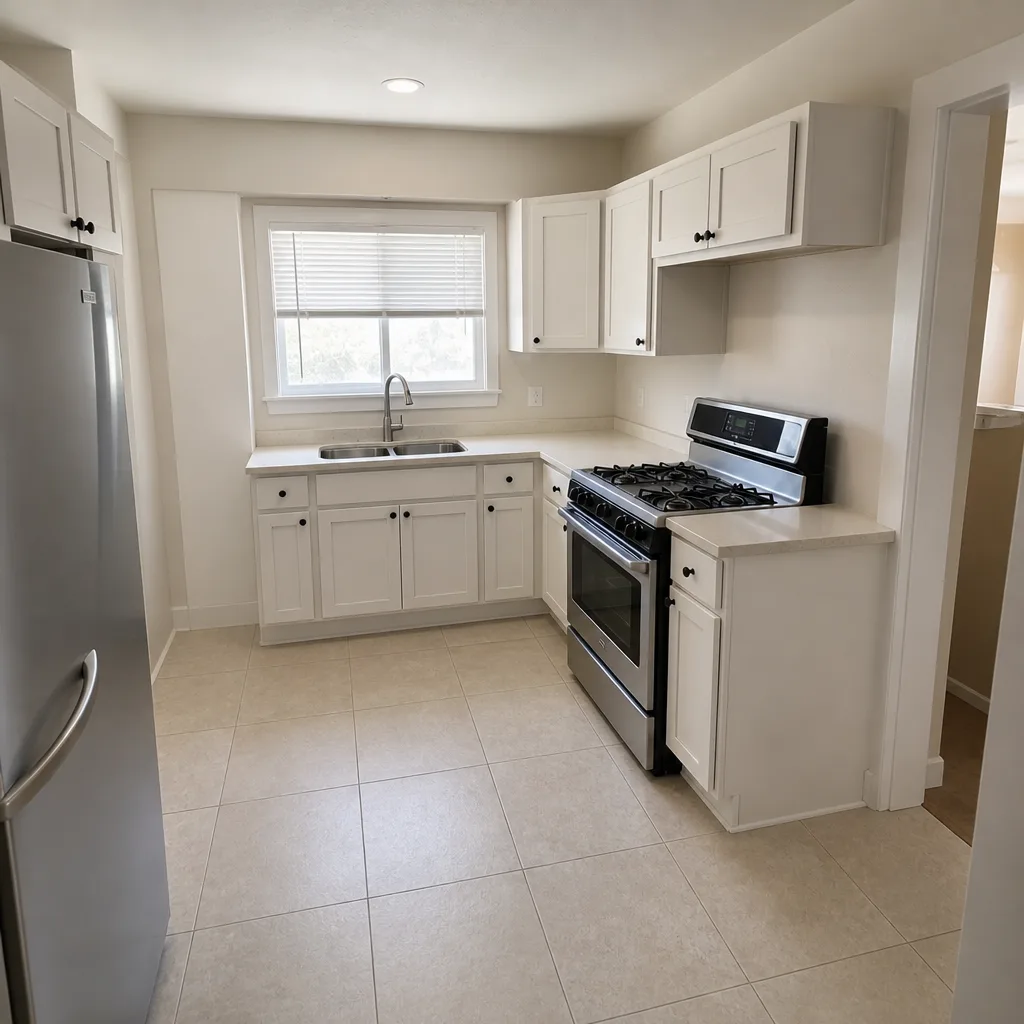 After
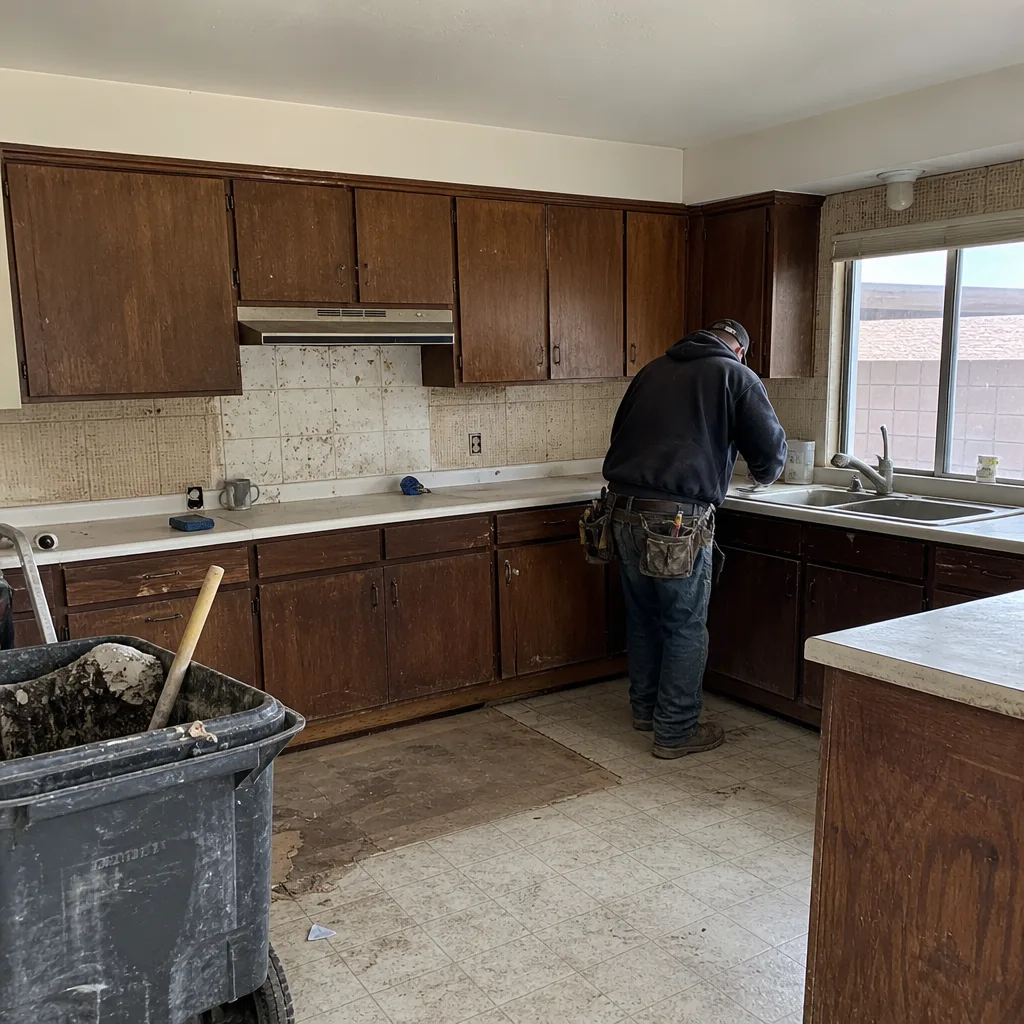 Before
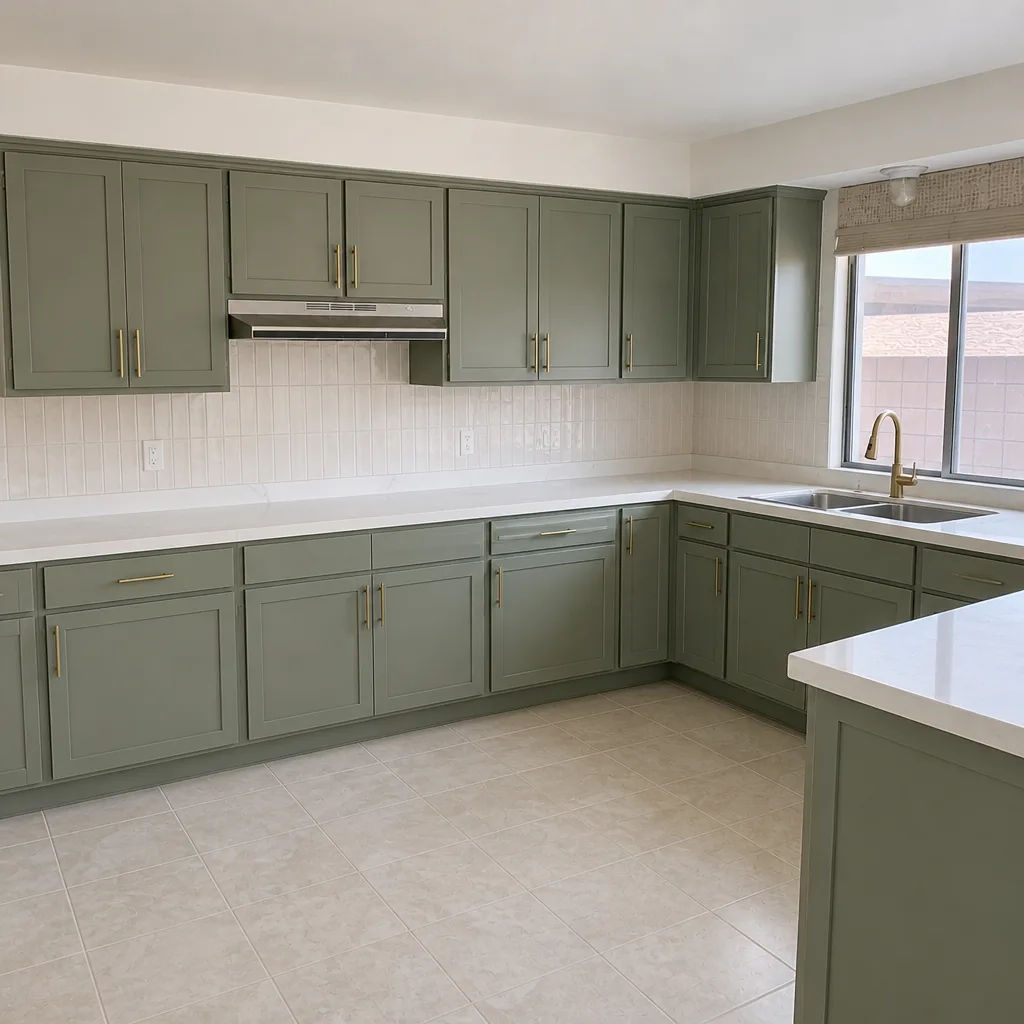 After
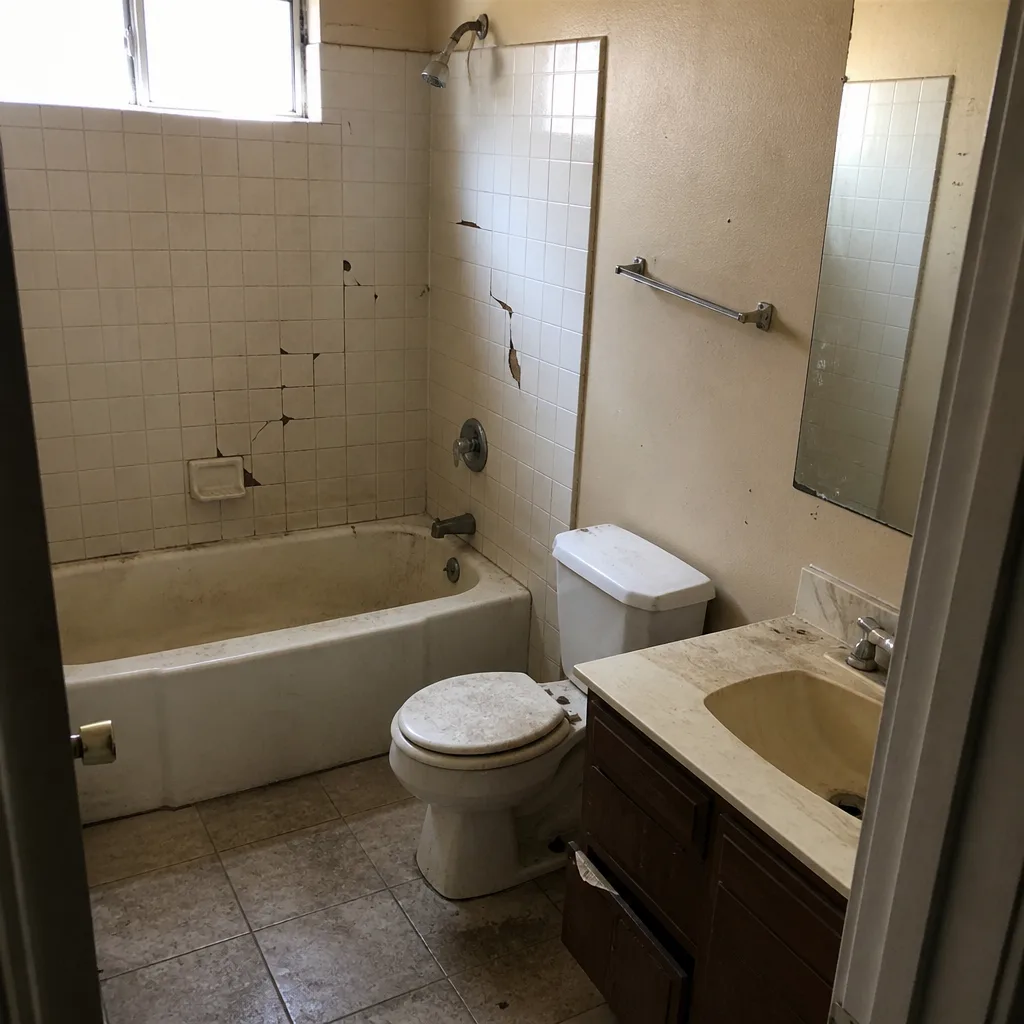 Before
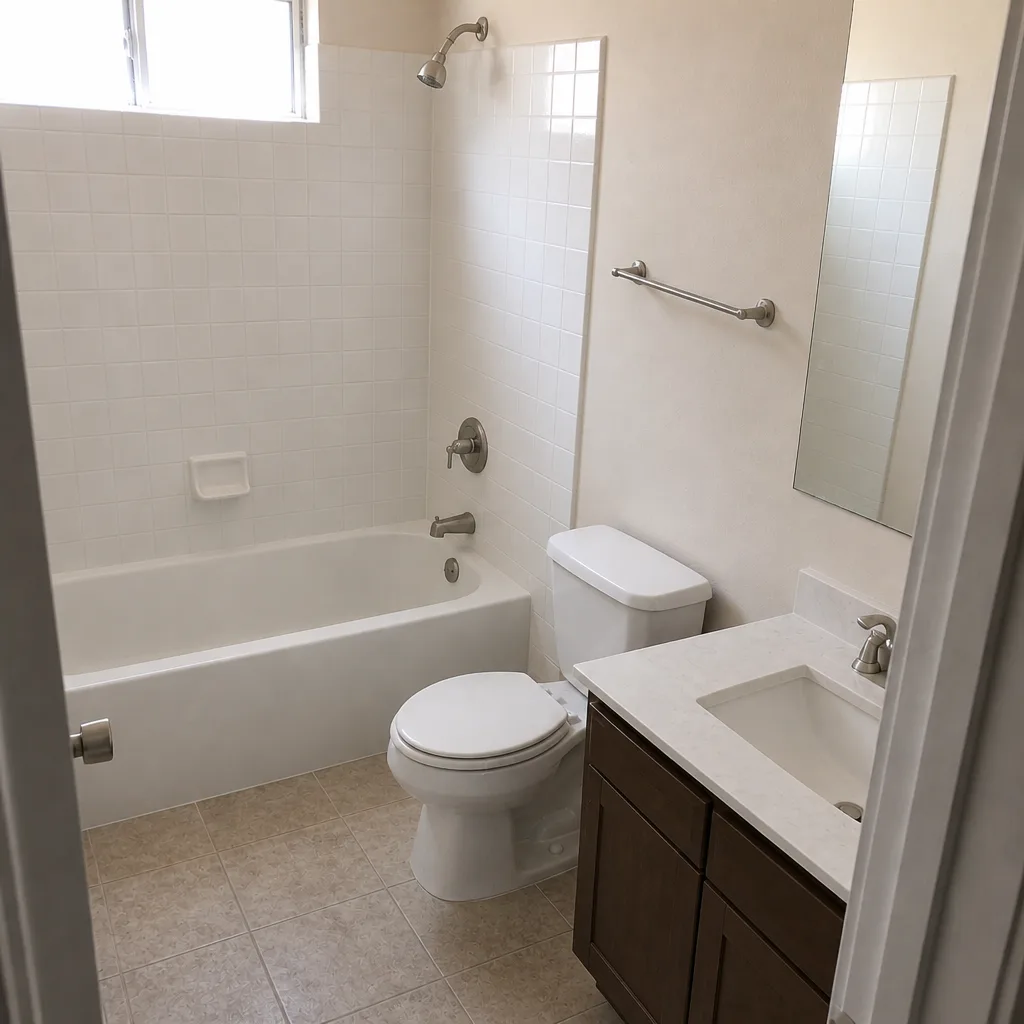 After
When to Call a Professional
Call a professional the moment your project touches a permit category. That means any electrical circuit work, any plumbing rough-in, any structural change, and any waterproofing behind a wet area. It also means any work on a named-brand fixture whose warranty depends on licensed installation, and any job where a future buyer will want a permit record. You don’t need a contractor for paint, cabinet hardware, or non-structural shelving, and we’ll tell you so.
The projects worth professional handling are the ones where the liability outruns the savings: kitchens, bathrooms, additions, exteriors, and anything behind a wall. Elmstead Remodeling Boulder City offers free estimates in Boulder City, with a written price before any work starts, permits pulled and inspections passed, and the 365-Day Done Right Promise on the result. Call (855) 552-7882.
Frequently Asked Questions

Painting, cabinet hardware, non-structural shelving anchored into studs, caulking and grout maintenance, and cosmetic like-for-like fixture swaps on existing circuits are all safe DIY projects with no permit or licensing implications. Anything that changes wiring, plumbing, structure, or waterproofing is a permit category and belongs with a licensed professional.
Yes, for any rough-in work: moving a drain, relocating a supply line, adding an electrical circuit, or installing new waterproofing behind a shower or tub surround. Cosmetic work like paint, tile replacement over approved waterproofing, and fixture swaps usually don’t require a permit. Call (855) 552-7882 for an exact answer on your specific project.
It can. Manufacturer warranties cover defects in materials and workmanship, but they typically assume professional installation. A leak traced to a self-installed valve often falls outside coverage, and the resulting water damage usually isn’t covered either. Protect the warranty by having a licensed professional install fixtures.
Often not in full. A standard policy covers sudden, accidental damage, but unpermitted and uninspected work is frequently excluded or contested at claim time. The adjuster looks for a permit and inspection record, and without one, coverage can be reduced or denied. Pulling the permit is your best protection.
Yes, and usually after the offer, when a buyer’s inspection flags it. The cost to open, correct, and re-inspect the work often exceeds the money saved by skipping the permit, and some loan types won’t close on a property with unresolved permit issues. A permit record protects the value you’ve built.
Once you add permits, tool rental, disposal, inspection, and your own weekends, the gap is smaller than most homeowners expect, often a few thousand dollars rather than ten thousand. Add the manufacturer warranty and the 365-Day Done Right Promise on a professional project and the comparison often favors hiring. Call (855) 552-7882 for a free written estimate.
The Bottom Line
The DIY boundary in Boulder City isn’t about skill. It’s about liability. Paint, hardware, shelving, and cosmetic swaps belong in your hands, and you should keep them there. Electrical, plumbing, structural, and waterproofing work belong with a licensed professional, because the permit, the inspection, and the warranty are the protection your home’s value depends on. The DIY materials estimate and the professional written price end up closer than they look once permits and rental are counted. Choose the work that protects your record, and let a professional carry the rest. Elmstead Remodeling Boulder City gives you a written price before any work starts, so you can compare honestly.
Ready to price your project? Call (855) 552-7882 for a free estimate in Boulder City, with a written price before any work starts, permits pulled and inspections passed, and the 365-Day Done Right Promise on every completed job.
Written by the team at Elmstead Remodeling Boulder City.