Last updated November 17, 2026







Free written scope consultation - allowances, timeline, and change-order rules on paper before a single trade is scheduled
How Long Does Home Remodeling Take? Timelines and What to Expect
A kitchen remodel that should take four weeks can sit idle for nine days waiting on a special-order cabinet finish. We’ve watched it happen, and the frustrating part is that it’s almost always preventable. The delay didn’t come from the crew working slowly or the house throwing a surprise. It came from a lead time nobody confirmed in writing before demo started, and a permit that got submitted after the schedule was already built around the wrong date. This guide covers realistic room-by-room timelines, how to read a contractor’s schedule and spot trouble before it costs you days, and how families with children and pets can keep a kitchen and a bathroom working through the whole build in Boulder City.
Quick Answer
Most home remodeling projects take 3 to 6 weeks for a bathroom, 6 to 10 weeks for a kitchen, and 3 to 6 months for a whole-home renovation once permits are approved and materials are on order. The timeline that actually matters starts with two written documents: a confirmed material lead-time schedule and a permit submission date that comes before the crew is booked, not after.
Styles & brands we work with
- Kitchen remodeling
- Bathroom remodeling
- Home additions & ADU
- Roofing
- Windows & doors
- Driveway & pavers
- Fence
Table of Contents
- Room-by-Room Baseline Timelines
- How Nevada Permit Processing Affects Your Timeline
- How to Read a Contractor’s Project Schedule
- Quiet Hours and Daily Cleanup: Why They Predict the Finish Date
- What a Written Price and Written Schedule Together Tell You
- Phasing a Remodel Around Kids and Pets
- Material Lead Times: The Delay Nobody Budgets For
- Common Mistakes to Avoid
Room-by-Room Baseline Timelines (Built Around Nevada Permits, Not National Averages)
National remodeling timelines are close to useless on their own. They assume a permit turnaround that doesn’t exist everywhere and a material supply chain that responds in days. In Boulder City, the permit queue and the material order dates are what set the real clock. Here’s what a well-planned project looks like on the ground for the projects we handle: general contracting in Boulder City, bathrooms, kitchens, and whole-home remodels.
- Bathroom remodel: 3 to 6 weeks of active construction, plus permit review time. A hall bath with no layout changes moves faster than a primary bath where you’re relocating the shower valve and adding a Schluter waterproofing system.
- Kitchen remodel: 6 to 10 weeks of build time, with cabinet and countertop lead times often the longest pole. Cambria or Silestone countertops need templating after cabinets are set, which adds a scheduling hand-off.
- Whole-home remodel: 3 to 6 months of construction for a full interior renovation, longer if the project includes exterior work with James Hardie siding or a GAF roof.
Each of those windows assumes permits are approved before demo and materials are confirmed in writing. Remove either and you’re adding days to weeks to the front half of the project, not the middle. Families in Boulder City tend to be surprised less by the construction itself than by the two-week window before a single tool gets picked up.
How Nevada Permit Processing Affects Your Timeline
Permit review is the quietest delay in remodeling, because it happens while everyone is still feeling productive. You’ve signed the contract, chosen the tile, picked the Delta or American Standard fixtures, and then the project sits because the submission went in after the crew was scheduled. That’s the second decision that drives most timeline surprises.
Boulder City is a small municipality with its own permitting process, and the timeline depends heavily on what the project touches. A like-for-like fixture swap often moves quickly. Structural changes, layout shifts, and anything touching gas or electrical routing require more review. The rule we follow is simple: the permit goes in before the schedule is locked, not after.
- Ask when the permit will be submitted before you sign. Get a date, not a plan to plan.
- Ask what review phase the project will need. A layout change needs more review than a refresh.
- Build the review window into the schedule in writing. It should sit on the calendar as a real block of days, not an assumption that it’ll sort itself out.
- Confirm the inspection schedule. Passed inspections are part of the finish date, and a missed inspection can push the next trade back a day or more.
If a contractor can’t tell you when the permit goes in and what review phase to expect, they haven’t planned the project past the day the contract gets signed.
How to Read a Contractor’s Schedule and Spot Trouble Before It Costs You Days
A project schedule is a diagnostic document. Read it carefully and you can spot problems weeks before they show up in your kitchen. The tell is usually a line item that says “awaiting cabinet delivery” with no confirmed date next to it.
Here’s what to look for, especially in Boulder City where special-order finishes and cabinetry ship in from out of state:
- Confirmed order dates. Every cabinet, countertop, and fixture line should have a date the order was placed, not just a delivery window.
- Named vendors and product lines. “Cabinets: KraftMaid, ordered 3/14, confirmed ship 4/22” is a schedule. “Cabinets: TBD” is a wish.
- Buffer windows. A schedule with no slack built in for delivery is a schedule that treats every shipper like they’re guaranteed to hit their date. They aren’t.
- Trade dependencies. Countertop templating can’t happen until cabinets are set. Flooring can’t go in until plumbing rough-in is inspected. The order should reflect that.
- Clean-up and inspection windows. If the schedule includes a daily clean-up window and a pre-inspection walkthrough, someone planned this for a house where people still live.
We’ve found that projects with confirmed vendor dates on the calendar finish on schedule far more often than those without. That’s not a coincidence. It’s a planning discipline thing. If the special-order finish on your Wellborn island ships later than the schedule says, you want the contractor saying “the schedule was wrong and here’s the new date” on week two, not week six.
Quiet Hours and Daily Cleanup: Why They Predict Your Finish Date
We hear families in Boulder City ask about the finish date first and the disruption second, and the two are connected more than people realize. A contractor who names the quiet hours and the clean-up window in writing before work starts is telling you something specific: they’ve thought past the finish line and into your family’s daily life.
The Cedarwell Care Promise names these things on every project. Shoe covers and drop cloths on every visit, a photo of the clean-up before the crew leaves, and quiet tools during children’s sleep hours and school hours where we can schedule around them. None of that feels like a timeline tool on the surface, but it is one.
- A crew with a named clean-up window can’t leave a messy site overnight, which means they can’t leave a half-finished task they meant to return to.
- A crew with a named quiet-hours window works through a schedule rather than around lunch breaks and unexpected interruptions.
- A crew with written expectations for each visit is on site to do a specific set of tasks, which is a shorter open-ended job than “see how it goes.”
In our experience, the projects that hit their finish date include those two lines in the written scope. Projects where nobody talked about clean-up or quiet hours tend to be the ones that drift.
What a Written Price and Written Schedule Together Tell You About Planning Discipline
The written price is the first thing we put in front of a family, because a project with a real number on paper almost always has a real schedule behind it. The two documents come from the same planning work. A contractor who can give you a written price before any work starts has done the measuring, the material takeoff, and the vendor conversations up front. A contractor who can also put a written schedule in front of you has taken the next step and turned that planning into a calendar.
If you only get one of those documents, ask for the other. The written price tells you what the job costs. The written schedule tells you what the job involves over time. Both together tell you whether the project has been planned past the day the deposit clears.
The second half of this is the pricing promise. A written price before any work starts, on every project, with no estimates that grow once the crew arrives. The way we see it, families with children and pets don’t need surprise change orders creeping in while the house is torn up. They need to know the number and the calendar.
How to Phase a Remodel Around Children and Pets
For a family that wants to stay in the house through the work, phasing is the difference between an inconvenient remodel and an impossible one. The kitchen and one full bathroom are the two functions you can’t live without in Boulder City for even a few days, and they’re both on the demolition list in a typical whole-home project.
The order we plan around:
- Start with the non-essential room. The guest bath, the laundry room, the secondary bedroom. This is where you learn the contractor’s working habits before the disruption hits the core of the house.
- Protect one full bathroom first. If a full bath needs to come out, do the new one before the old one goes. Every phase needs a working shower, a working toilet, and a working sink unless you’re prepared to leave the house.
- Stage the kitchen last. Keep a functioning sink, a working refrigerator, and a usable countertop surface as long as you can. Move the fridge to the garage or a utility room when the cabinets come out. Set up a temporary kitchen with a second fridge, a microwave, and a coffee maker in a spot the crew can avoid touching.
- Name a no-go zone for pets. Ask the crew to close every door where an animal lives or sleeps. Toto and American Standard sinks and toilets go in as scheduled, but the family’s routine shifts for weeks before that.
- Schedule inspections and deliveries in the same window. Phasing loses its benefit if a delivery lands mid-demo and blocks the only path through the house.
For families that live in the house through construction, we plan these phases on paper before we submit the permit. Phasing doesn’t just keep life livable; it tells you exactly which dates matter most and where the sensitive handoffs are.
Material Lead Times: The Delay Nobody Budgets For
The single most avoidable cause of delay in a Boulder City remodel is a special-order material that was promised verbally and never confirmed on paper. Countertops on a Cambria or Silestone order often need templating after the cabinets are set, and that templating appointment is its own scheduling hand-off. A Blanco sink or Grohe fixture that ships late holds up the countertop, which holds up the plumbing finish, which holds up the inspection.
Here’s what to confirm in writing before you sign:
- The vendor and product line for every ordered item. KraftMaid or Wellborn cabinets, Cambria or Silestone counters, Moen or Delta fixtures. A vendor name is a phone number to call when a shipment slips.
- The order-placed date, not just the order-planned date. “Ordered April 2, confirmed ship date April 22” beats “shipping soon.”
- The manufacturer’s warranty. Materials with KraftMaid, Cambria, Moen, and James Hardie carry warranties that follow the finished project, and those warranties travel with the certificate the vendor issues at delivery.
- The substitution plan. If a special-order finish doesn’t hit its date, has the contractor named the alternative and the price difference? Or is the plan to just wait?
When we plan a project, we lay the material schedule on top of the construction schedule. If the two schedules don’t line up, that’s the point to adjust, not week four when the crew is standing around waiting on a shipment.
If you’re planning a whole-house project, the same material lead-time discipline shows up on Elmstead Remodeling Boulder City home and on the general contracting page, where a larger schedule has more handoffs to track.
Common Mistakes to Avoid
- Signing before the schedule exists. If a contractor gives you a price and no calendar, you’ve bought a project that hasn’t been planned past the deposit. Ask for the schedule in writing or ask them to put it together.
- Trusting a verbal material lead time. A contractor who says “the cabinets will be here in three weeks” without a confirmed ship date is guessing. In Boulder City, out-of-state cabinet and countertop shipments can stretch well past the quoted window.
- Submitting the permit after the crew is booked. This is the second big decision that causes timeline surprises. Permit submission should happen before the schedule is locked, not after.
- Skipping the pre-construction walkthrough with the whole family. Kids, pets, working from home, which door the crew uses. These are real scheduling factors and should be written into the plan.
- Not phasing the project when you’re living in it. A whole-home remodel with no phased plan means a family leaves the house for weeks at a time. Phasing around one functional bathroom and one usable kitchen usually avoids that.
- Assuming a bathroom or kitchen refresh is a weekend job. Even a basic bathroom refresh runs 3 to 6 weeks once permits and materials are accounted for. If a contractor quotes you much less, ask what’s missing from the scope.
- Overlooking the clean-up window in the schedule. A daily clean-up is a planning commitment, and it shows up in the schedule as a real time block. If it’s missing, the contractor hasn’t factored it in.
Our technicians have up to 21 years of experience, which is long enough to have watched all of these play out in real Boulder City kitchens and bathrooms. None of them are construction problems. They’re planning problems.
See the difference
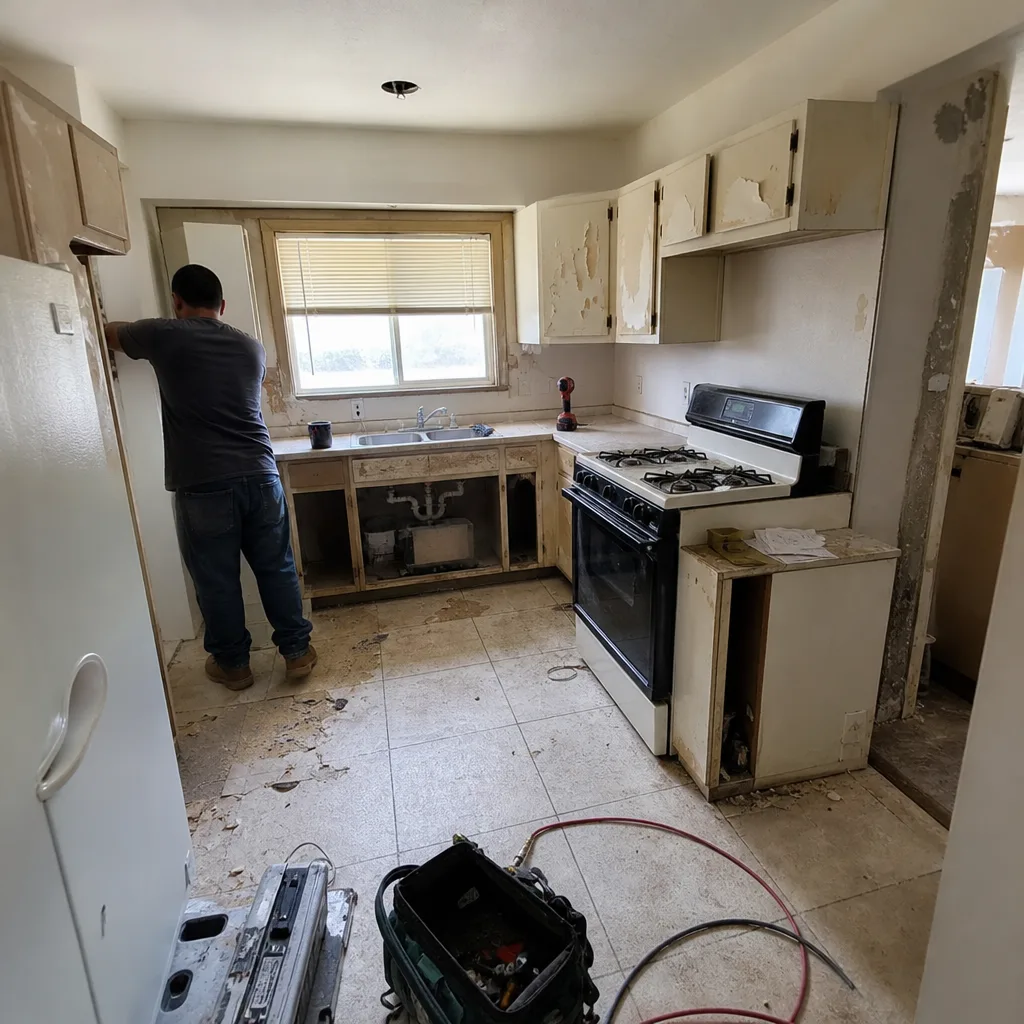 Before
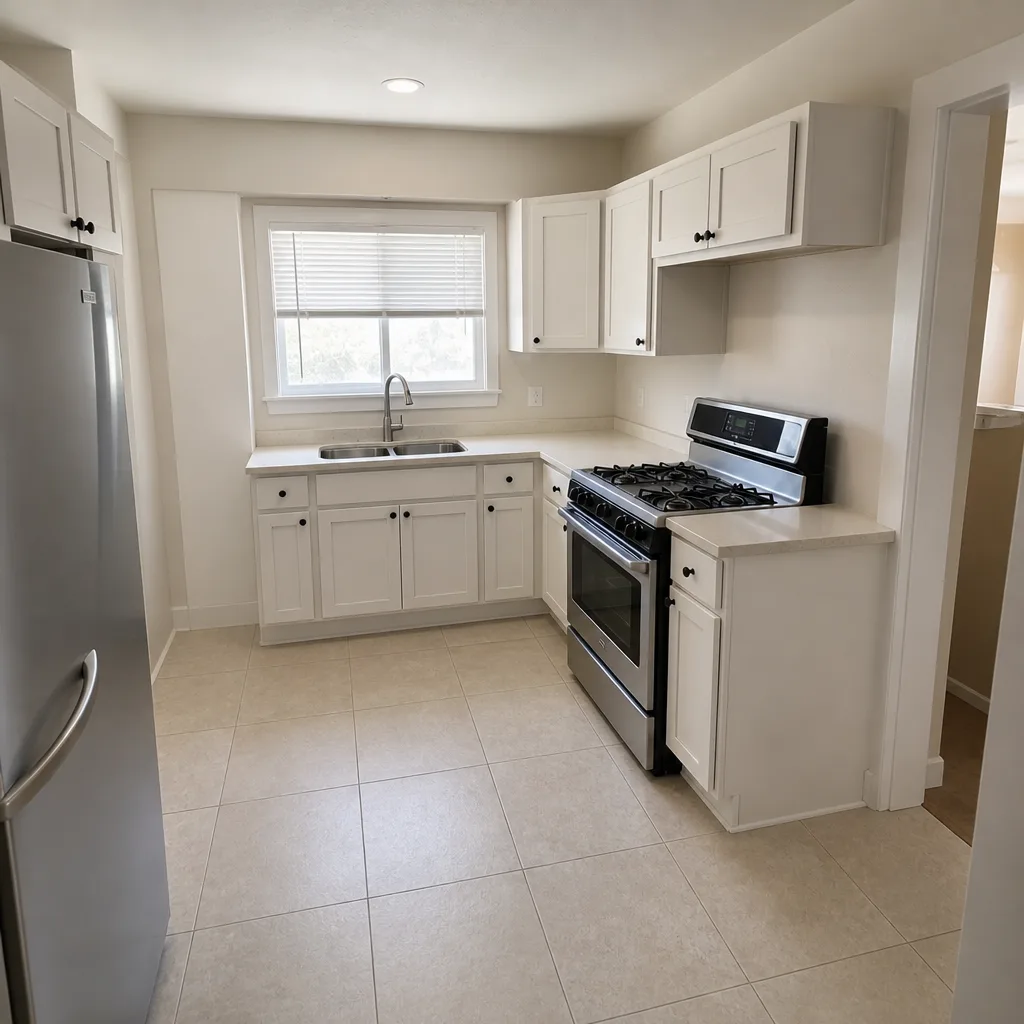 After
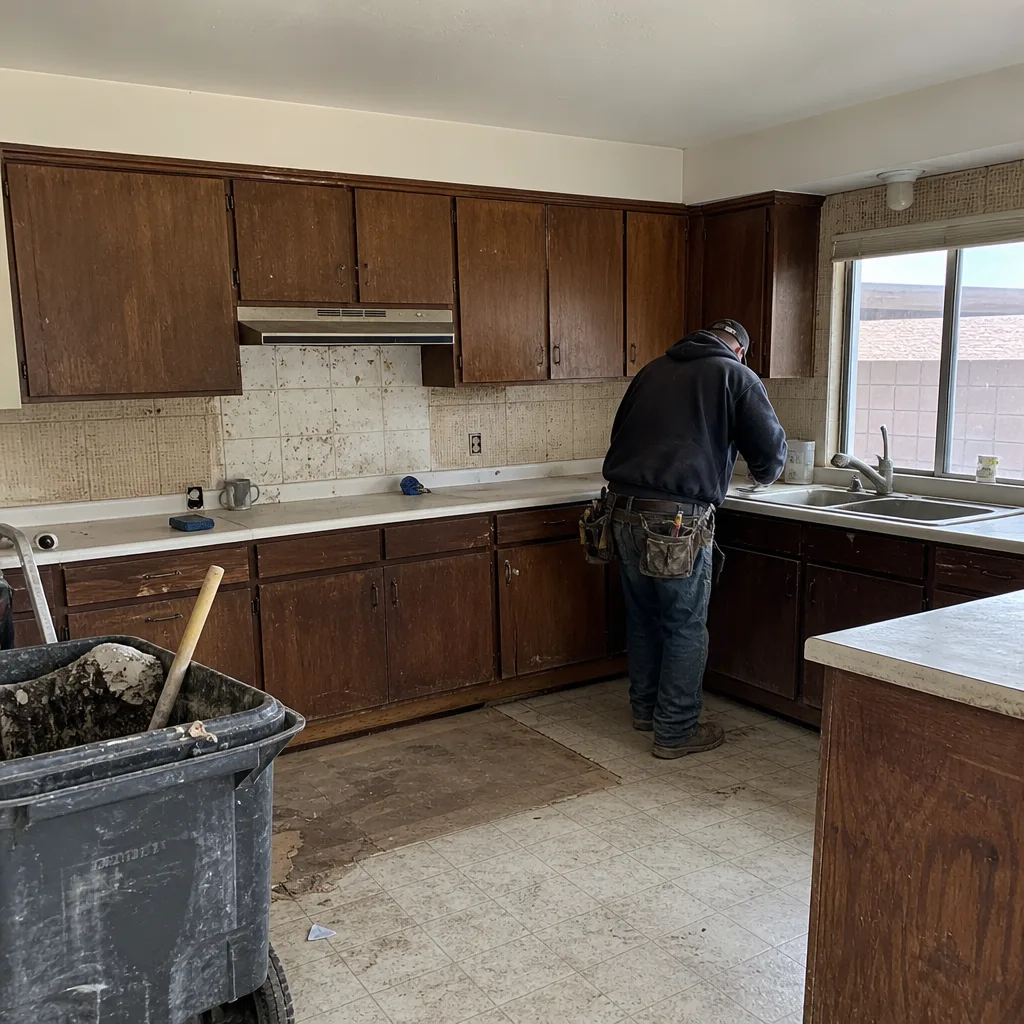 Before
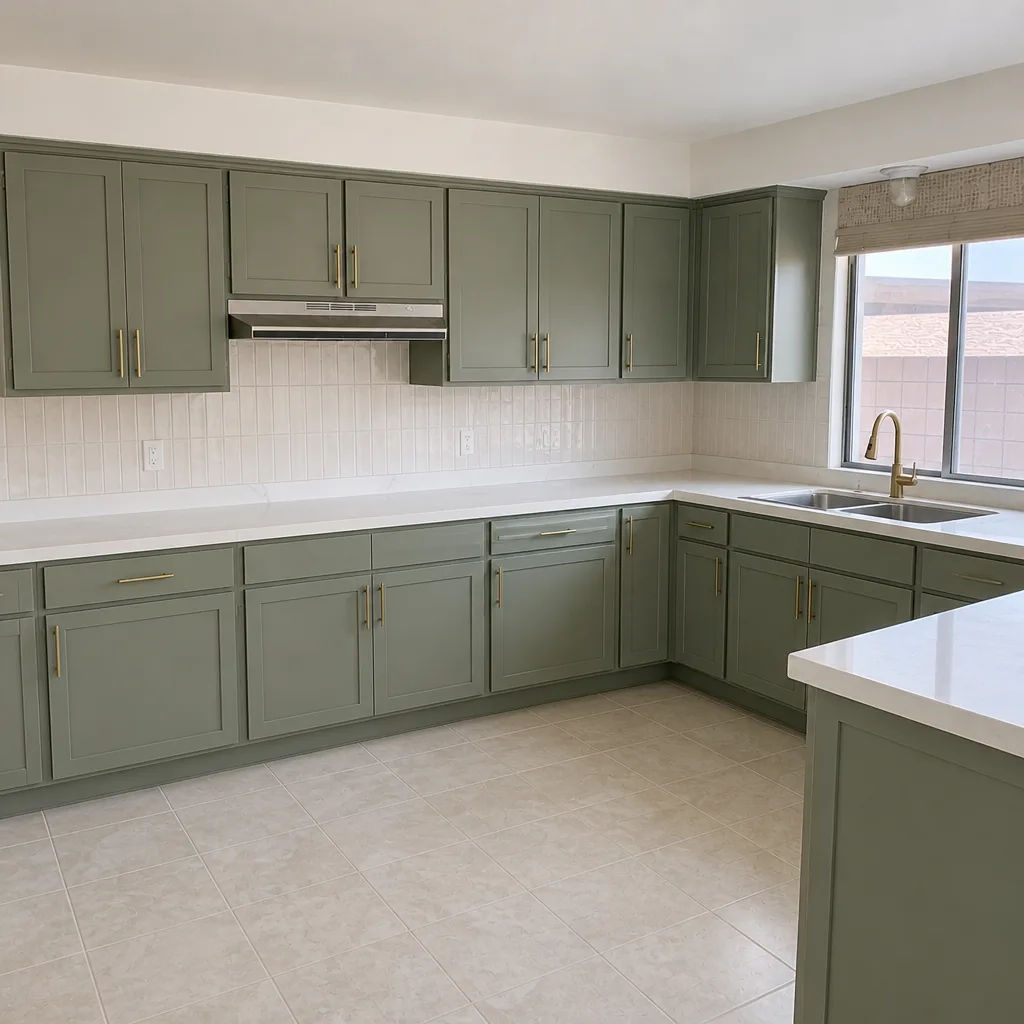 After
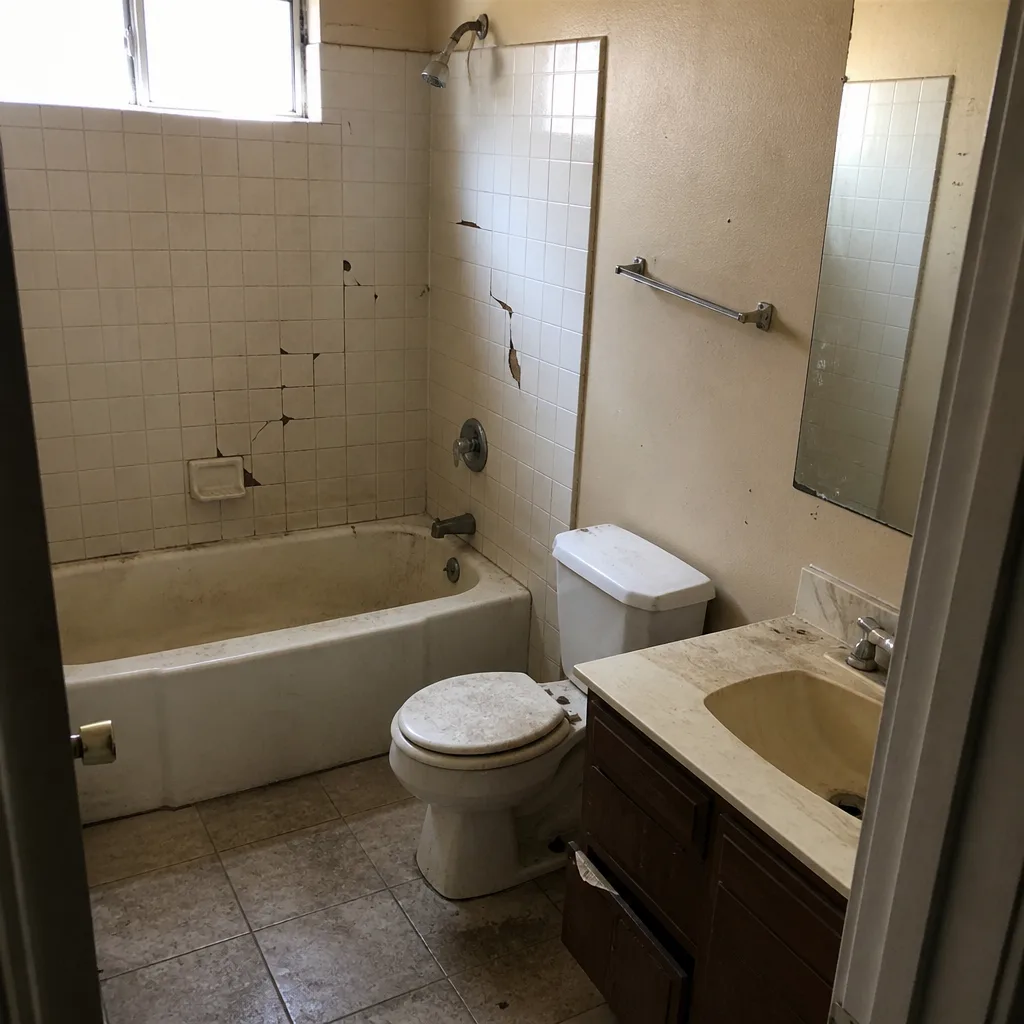 Before
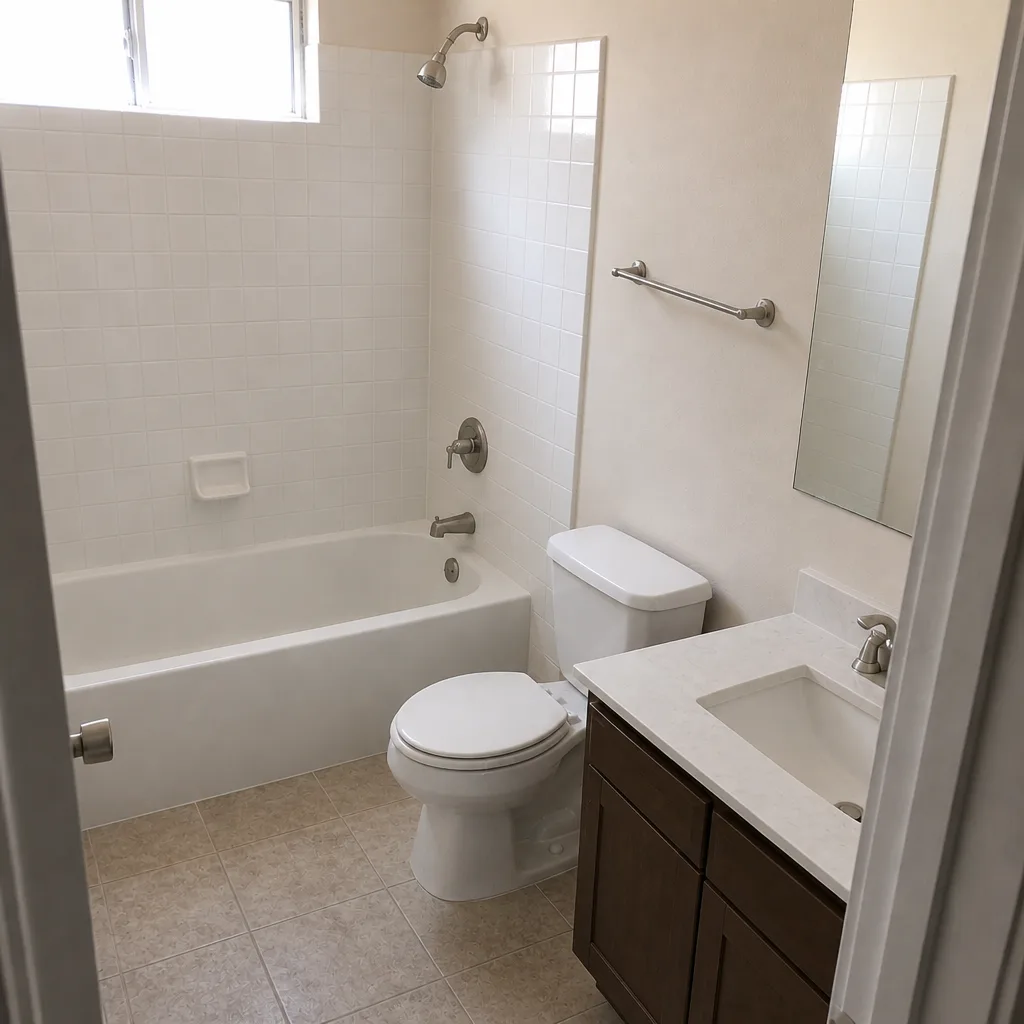 After
When to Call a Professional
Call a professional when the project involves moving plumbing or electrical, when it touches the structural frame, or when the timeline involves a permit. Those are the three places a do-it-yourself plan turns into a real delay. A bathroom remodel that relocates the shower valve needs a permit and a licensed plumber, and the escutcheon and waterproofing details behind a Schluter shower system aren’t forgiving of a DIY fix. A kitchen remodel that moves a gas line is a job for a licensed pro, full stop. Gas and high-voltage electrical work are genuinely dangerous, and no homeowner should be learning on their own panel or their own gas line.
If you’re weighing a refresh against a full remodel and you can’t tell which one your house needs, that’s a good conversation to have before demo starts, not after. Elmstead Remodeling Boulder City offers free estimates in Boulder City. Call (855) 552-7882 and we’ll put a written price and a written schedule in front of you.
Frequently Asked Questions

A kitchen remodel in Boulder City typically takes 6 to 10 weeks of construction once the permit is approved and materials are on order. Cabinet and countertop lead times often set the pace, especially for special-order finishes from KraftMaid or Wellborn. Call (855) 552-7882 for a schedule tailored to your project – estimates are free.
A bathroom remodel usually takes 3 to 6 weeks of construction, plus permit review time. A hall bath with no layout changes runs faster than a primary bath with relocated plumbing and new waterproofing. Call (855) 552-7882 to talk through your bathroom with a real schedule.
Permit review can slow a project down if it’s submitted after the crew is scheduled, but it rarely slows it down when it’s submitted early. In Boulder City, the timeline depends on what review phase the project needs. We submit the permit before locking the schedule, so the review window is a planned block of days rather than a surprise. Call (855) 552-7882 to talk through the permit process for your specific project.
The schedule can change when a special-order material ships late or an inspection is rescheduled, but the way to prevent most changes is to confirm material lead times in writing before the contract is signed. A written schedule with confirmed vendor dates is far more stable than one built on verbal promises. Call (855) 552-7882 for a written price and schedule before any work starts.
Yes, most families with children and pets stay in the house through a phased remodel if one full bathroom and a usable kitchen space stay online throughout. The plan needs to be written down before demo so the sequence respects which functions you can’t live without. Call (855) 552-7882 and we’ll map out the phasing with you.
A whole-home remodel in Boulder City typically takes 3 to 6 months of construction, and longer when the project includes exterior work like James Hardie siding or a GAF roof. Phasing the interior so the family can stay in the house usually adds some calendar time but removes the need to move out. Call (855) 552-7882 for a project-specific estimate.
The Bottom Line
Timeline surprises in remodeling come from two decisions that happen before demo starts: unconfirmed material lead times and a permit submitted after the crew is scheduled. Close both gaps and the rest of the project follows the calendar you agreed to. Ask for a written price and a written schedule before you sign. Ask when the permit goes in and which vendor ships what by which date. Ask which rooms the crew will protect, when quiet hours run, and which bathroom stays online for the whole build. Those are the questions that separate a planned project from one that drifts. The bathroom remodeling in Boulder City and kitchen remodeling in Boulder City pages walk through the room-specific versions of the same planning discipline.
If you’re ready to plan the calendar and the written price for your project, call Elmstead Remodeling Boulder City at (855) 552-7882. Free estimates, a written price before any work starts, background-checked and uniformed technicians on every job, and the 365-Day Done Right Promise on every completed project. If it’s not done right, we make it right.
Written by the team at Elmstead Remodeling Boulder City.