Last updated November 17, 2026



Free written scope consultation - allowances, timeline, and change-order rules on paper before a single trade is scheduled
DIY vs Professional Bathroom Remodeling: What’s Safe to Do Yourself
A homeowner who tiles their own shower surround and skips the waterproofing membrane because it “seemed like extra” will likely face mold remediation and a full re-tile within three to five years. That redo costs more than a professional installation would have from the start. Bathroom remodeling has the highest DIY failure rate of any interior project, and it’s rarely because the work is too difficult. It’s because the steps that matter most are the ones you can’t see once the tile goes up. This guide separates what a careful homeowner can genuinely do well from the work where one missed step turns a weekend project into a five-figure repair. We’ve watched these outcomes play out across Boulder City, and the pattern is consistent.
Quick Answer
Safe DIY bathroom tasks include painting, swapping a vanity, replacing a toilet, and installing mirrors, shelving, and accessories. Work that should almost always go to a licensed professional includes shower waterproofing, drain reconfiguration, moving plumbing supply lines, adding electrical circuits, and tile on wet surfaces. In Boulder City, plumbing and electrical changes require permits and inspections, and skipping them can complicate resale and void manufacturer warranties.
Styles & brands we work with
- Kitchen remodeling
- Bathroom remodeling
- Home additions & ADU
- Roofing
- Windows & doors
- Driveway & pavers
- Fence
Table of Contents
- What bathroom work is genuinely safe to DIY?
- Why is waterproofing the line most DIYers shouldn’t cross?
- What Nevada permits do bathroom plumbing and electrical changes require?
- Can you act as your own general contractor?
- What’s the real cost comparison once tools and redos are counted?
- How does Boulder City’s climate and housing stock affect the decision?
- How do you decide, step by step, what to hand off?
What bathroom work is genuinely safe to DIY?
Plenty of bathroom work rewards patience and a steady hand, and there’s no reason to pay a crew for it. These tasks don’t disturb waterproofing, don’t move plumbing or wiring, and don’t require a permit in most cases. If you can measure twice and read a manufacturer’s installation guide, they’re within reach.
- Painting. Walls, ceilings, and trim are the safest DIY upgrade in the room. A bathroom needs a moisture-resistant paint with a semi-gloss or satin finish so it wipes down and resists mildew. Prime bare drywall first, and give it the full cure time on the label before the room sees steam.
- Vanity swaps (same location). Replacing a vanity that sits where the old one did, reusing the existing supply lines and drain, is manageable. The moment you want to shift the sink left or add a second basin, you’ve crossed into plumbing work that needs a permit and a licensed plumber.
- Mirror and accessory installation. Hanging a mirror, a towel bar, a shelf, or a medicine cabinet is straightforward. Locate studs or use the correct hollow-wall anchors rated for the load. A medicine cabinet that hides wiring for a light needs an electrician.
- Toilet replacement. Pulling an old toilet and setting a new one in the same spot is a common DIY job. Use a fresh wax ring every time, and check the flange for cracks while the old toilet is up. A damaged flange is a sign to call someone before you set the new fixture.
- Fixture trim swaps. Replacing a showerhead, a faucet trim, or a towel ring with a same-size unit is a reasonable weekend task. Do not open the wall or change rough-in dimensions.
Every one of these keeps the waterproofing envelope intact and leaves the plumbing and electrical systems where they are. That’s the dividing line. If the task touches those systems, it moves to the professional column.
Why is waterproofing the line most DIYers shouldn’t cross?
Waterproofing is the single most consequential step in a bathroom, and it’s the one you’ll never see again once the tile is set. A properly built shower has a sloped waterproof layer beneath the tile, a drain assembly that ties into that layer, and seams and corners sealed with materials designed to flex. Each of those steps has a right way and a plausible-looking wrong way, and the wrong way can look perfect for two or three years.
Here’s what goes wrong. Water gets past the tile and grout, which are never truly waterproof, and hits a layer that was supposed to stop it. If that layer has a gap at a corner, a fastener punched through it, or a drain connection that wasn’t sealed correctly, water sits in the wall cavity or under the floor. In a dry climate like Boulder City’s, the top surface dries quickly and hides the problem. Behind the wall, the moisture keeps working. We’ve opened showers that looked fine from the outside and found framing soft enough to crumble in a hand.
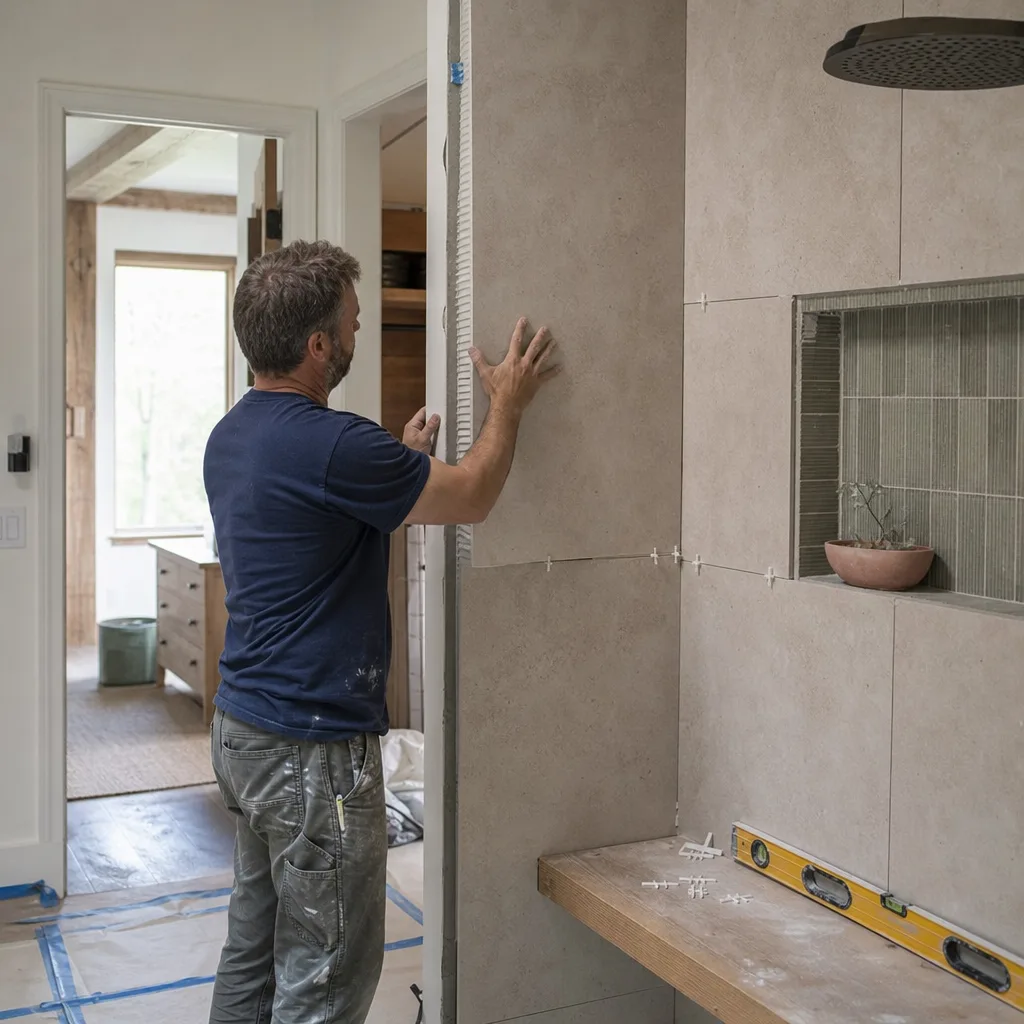
Professional waterproofing rests on three things a homeowner can’t easily verify from the outside:
- A continuous, properly lapped membrane. Sheet and liquid membranes have specific overlap and cure requirements. One skipped seam is enough.
- A pre-sloped substrate. Water has to move toward the drain on its own. A flat pan holds water no matter how good the membrane is.
- Correct drain integration. The drain assembly has a weephole system and a clamping ring, and how it ties into the membrane depends on the drain type. Getting this wrong is a very expensive leak.
This is also a safety point. Shower pans, tile, and wet-area substrates are heavy and unforgiving, and cutting or setting them wrong can lead to a failure you only discover after the whole room is finished. A trained professional handles this stage because a redo costs more than starting correctly.
What Nevada permits do bathroom plumbing and electrical changes require?
This is where DIY projects get expensive in ways homeowners don’t expect. In Nevada, most jurisdictions require a building permit for work that alters plumbing, electrical, or structural systems. That includes moving a drain, relocating a sink, adding a circuit for a new vanity light, installing an exhaust fan that needs new wiring, or changing a tub to a shower of different dimensions. A simple like-for-like vanity and paint refresh generally does not need one.
What happens if you skip the permit? Several real consequences:
- Inspection gaps. Unpermitted work isn’t inspected, so nobody independent confirms the drain slopes away, the shower pan holds water, or the new circuit is properly grounded.
- Resale complications. A title search or buyer’s inspection can flag unpermitted work. Sellers are often required to remedy it before closing, and the remedy is usually demolition and redo.
- Insurance exposure. If a leak from unpermitted plumbing damages the floor below, a claim can be denied or contested on the grounds the work was never approved.
- Warranty voids. Products from named manufacturers carry installation warranties that assume approved, code-compliant work. Skip the permit and the paper trail, and the manufacturer has grounds to decline a claim.
Pulling permits and passing inspections is standard practice, not an obstacle. Our General Contractor in Boulder City work handles the permit process as part of the project, and the inspection record protects the homeowner long after the job is done.
Can you act as your own general contractor?
You can, and some homeowners do it well. Acting as your own general contractor means you hire and schedule the licensed trades, keep the permit records, sequence demolition, plumbing, waterproofing, tile, electrical, and finish work, and hold the responsibility when one trade’s work blocks another’s. That’s a real job, and in Boulder City the trades run on their own timelines, so a two-week gap in the schedule is common.
Here’s what the arrangement actually requires of you:
- Scope each trade in writing. Every subcontractor needs a clear written scope, a start date, and a finish date. Verbal agreements are how projects stall.
- Confirm licenses and insurance. In Nevada, ask for the state contractor’s license number and a certificate of insurance before anyone swings a hammer. Verify the license on the state database. Don’t take a business card as proof.
- Hold the permits in your name and manage inspections. You’ll schedule the rough-in inspection before walls close and the final inspection after finishes. Miss the rough-in inspection and you’re opening walls.
- Sequence the waterproofing inspection. The shower pan needs to hold water before tile goes down. In our experience, this is the step DIY general contractors are most tempted to compress, and it’s the one that can’t be compressed.
- Carry the warranty risk. When you’re the GC, no single company stands behind the finished room. If a leak appears a year later, you’re the one coordinating the investigation, the remediation, and the re-tile, and you’re absorbing whatever the trades won’t cover.
Your liability begins the moment you sign a permit application in your own name and truly ends only when the work has passed final inspection and been used without issue. That’s the honest math of the arrangement.
What’s the real cost comparison once tools and redos are counted?
The DIY-versus-professional comparison gets clearer when you add up what the tool list and the do-over risk actually cost. Here’s a realistic line-item view for a mid-size bathroom in Boulder City.
| Item | Typical Range |
|---|---|
| Wet saw rental or purchase (tile) | $90 – $300 |
| Tile leveling system and hand tools | $80 – $200 |
| Waterproofing membrane and accessories (DIY path) | $250 – $600 |
| Material waste on DIY tile (overbuy plus breakage) | 10 – 20% above planned |
| Professional shower waterproofing and tile labor | $1,800 – $4,500 |
| Shower redo after a waterproofing failure | $4,000 – $9,000+ |
| Mold remediation if moisture reached framing | $1,200 – $6,000 |
Look at the last two rows. A failed DIY shower is the most expensive line item on the page, and it arrives on top of everything already spent. Factor in the likelihood of a redo, and the math tilts hard toward professional waterproofing even for homeowners who do all the finish work themselves. We’ve seen showers fail in under two years, and we’ve seen them last a decade before the water finally wins. Either way, the repair arrives.
How does Boulder City’s climate and housing stock affect the decision?
Boulder City’s climate changes the risk profile in ways homeowners from wetter parts of the country don’t expect. Ambient humidity is low, so a slow leak behind a wall rarely shows as a damp smell or a visible stain the way it would in a coastal town. What you get instead is a surprise: a soft spot under the tile, a discolored grout line that won’t clean, a floor that feels slightly spongy. By the time those signals show, the damage is usually well developed.
The housing stock matters too. Boulder City has a substantial share of mid-century homes in areas like the historic district, and older plumbing in those homes is often galvanized or early copper. When a homeowner opens a wall for a shower remodel, what’s behind it can change the scope of the project in a hurry. That’s not a reason to avoid the work. It’s a reason to have a plumber on hand before demolition, because discovering a corroded supply line halfway through is a schedule problem you want solved early.
Boulder City’s climate also means tile adhesive and grout cure differently than the labels assume. Low humidity accelerates cure times on some materials and skews others, and a homeowner following a general online guide can end up with a finish that fails at the edges. In our experience remodeling bathrooms in Boulder City, the material choices that hold up best are the ones matched to the dry, hot summers and the cooler desert nights. That’s part of what a professional brings to the job: a local track record of what works here.
How do you decide, step by step, what to hand off?
Here’s the decision process we’d suggest to any homeowner thinking through a bathroom project.
- List the tasks and mark which ones touch plumbing, electrical, or waterproofing. Anything in those three categories moves to the professional column. Painting, vanity swaps, toilet replacement, and accessory installation stay with you.
- Check permit requirements before you buy anything. If the work needs a permit, the permit needs a licensed contractor for the trade involved. This single step settles most of the debate.
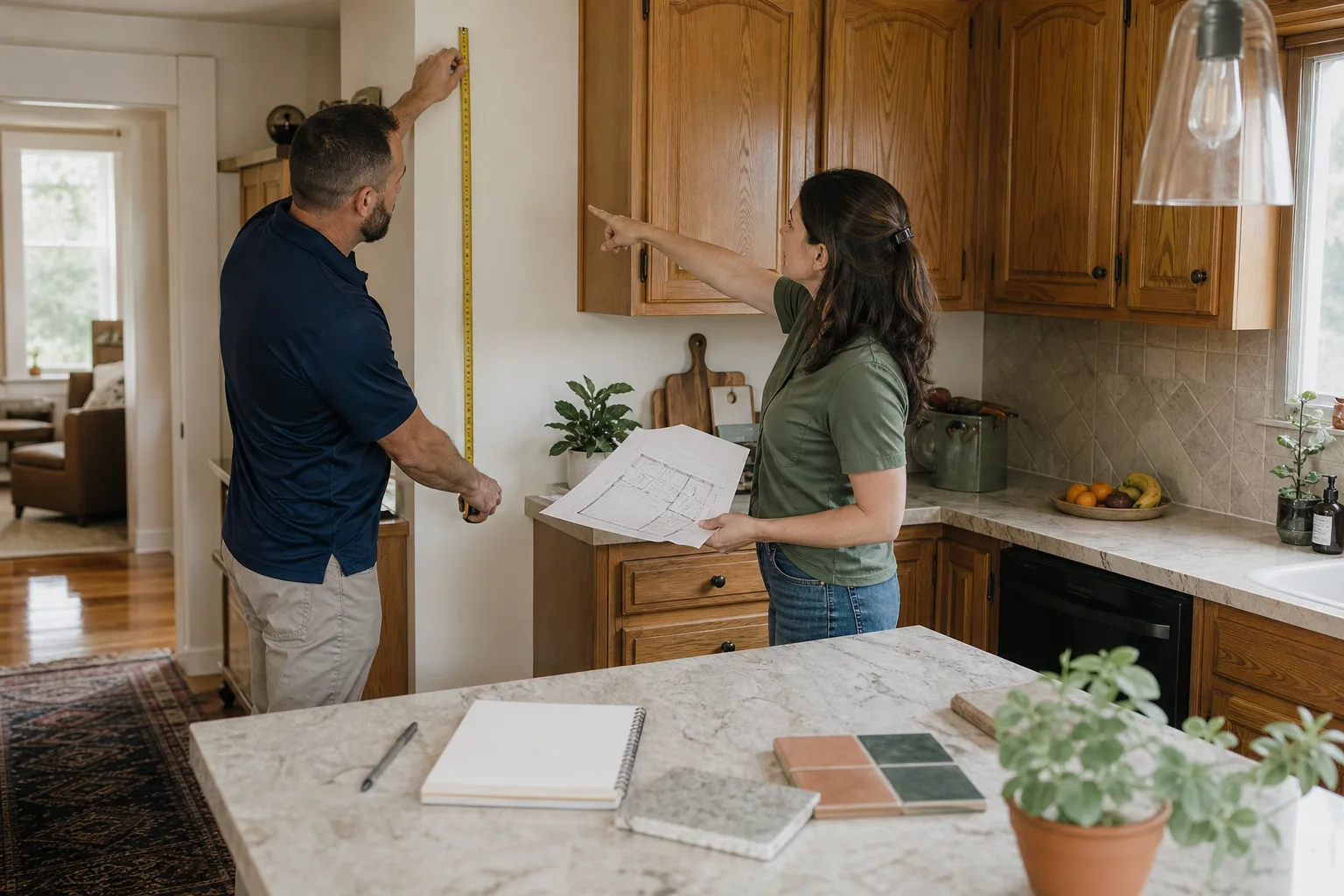
- Get a written line-item price for the professional portion. You want the waterproofing, the tile, the plumbing, and the electrical priced separately, so you can see exactly what you’re paying for. A written price before any work starts is our standard on every project.
- Budget the redo risk against the DIY savings. Take the professional cost for waterproofing and tile, and compare it to the worst-case repair. For most homeowners, the comparison makes the choice obvious.
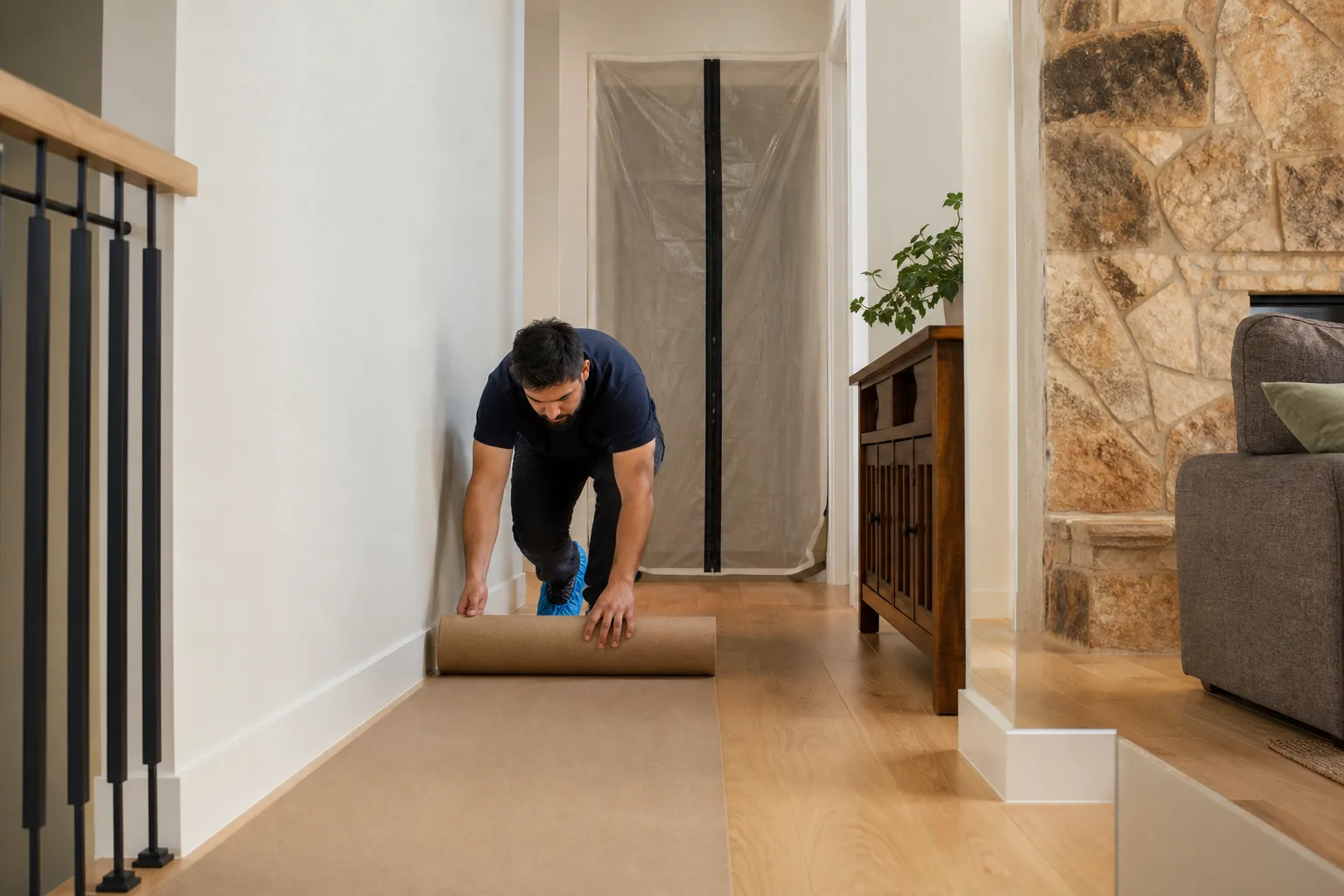
- Protect the rest of the house while the project runs. Drop cloths on the floors, shoe covers at the door, quiet tools during nap and school hours, and pet-safe product choices where there’s a choice. These are the Cedarwell Care Promise standards we apply to every Elmstead job, and they matter more than the tile selection when you have kids and pets at home.
Common Mistakes to Avoid
- Skipping the waterproofing membrane to save time or money. It “seems like extra” until the shower pan fails. In Boulder City’s dry air, that failure can go unnoticed for years while the damage spreads behind the wall.
- Tile directly to drywall or green board in a wet area. Neither is a waterproof substrate. Tile and grout are not the waterproof layer, and builders who treat them as one are setting up the next homeowner for a redo.
- Moving a drain or supply line without a permit. It’s the most common unpermitted change in a bathroom remodel, and it’s the one most likely to surface during a buyer’s inspection or a resale title search.
- Buying a pre-sloped shower pan that doesn’t match the drain location. The pan and the drain have to work together. A mismatched combination is a leak waiting for the first heavy shower.
- Under-buying tile and then buying from a different lot. Dye lots vary. The second batch may not match the first, and a mid-project color shift is visible in the finished room.
- Testing a shower pan by running water without a drain test plug. A pan test has to hold water at the correct level for the specified time. Running water briefly proves nothing.
- Forgetting the exhaust fan. A bathroom without proper ventilation traps moisture, and in Boulder City the problem compounds because the room can feel dry while the wall cavity stays wet. The fan needs to be correctly sized and ducted outside.
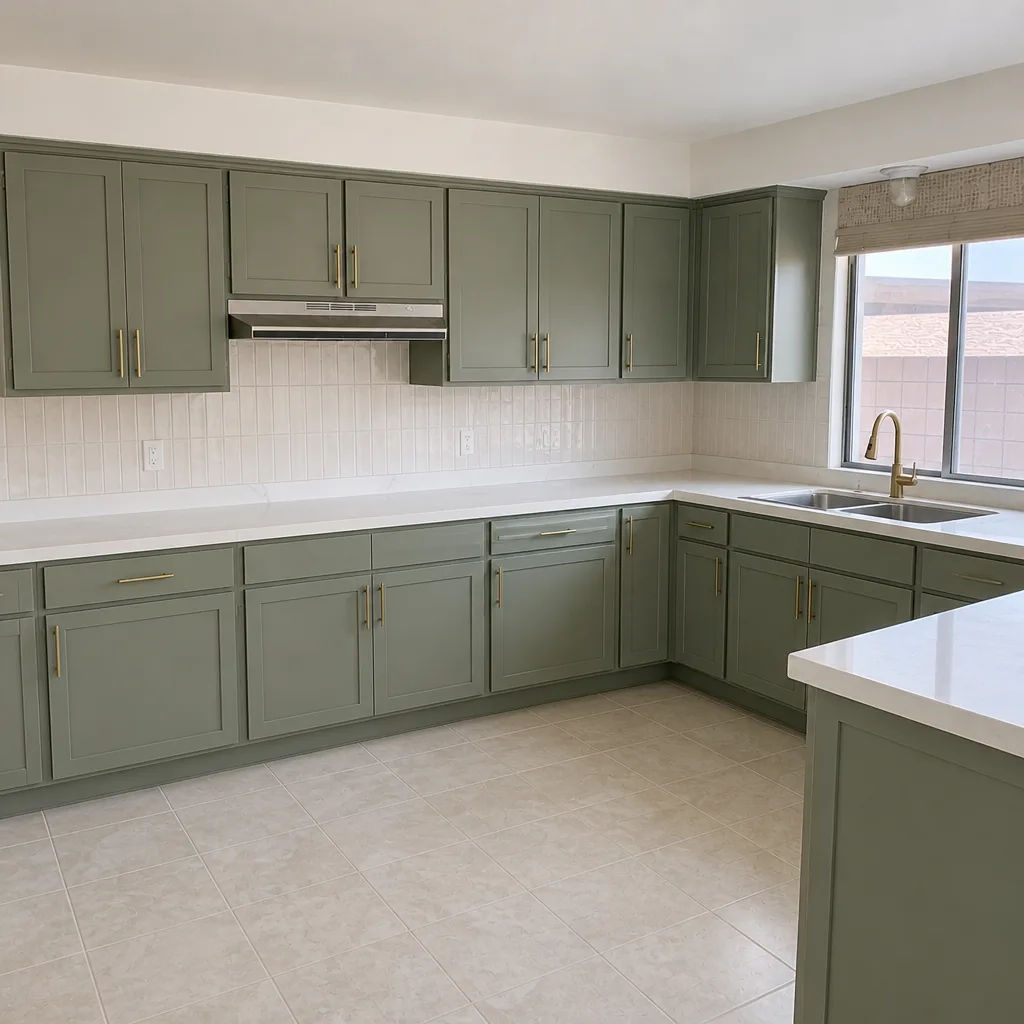
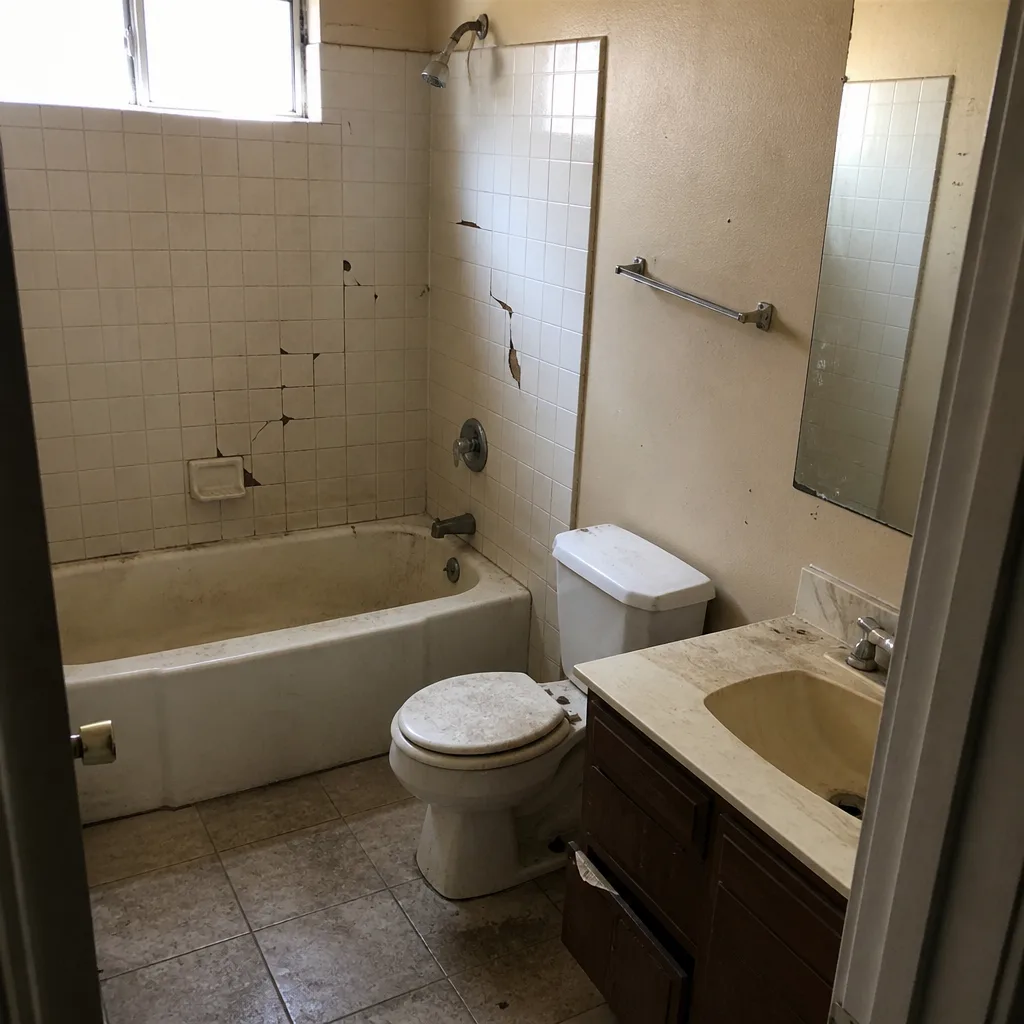
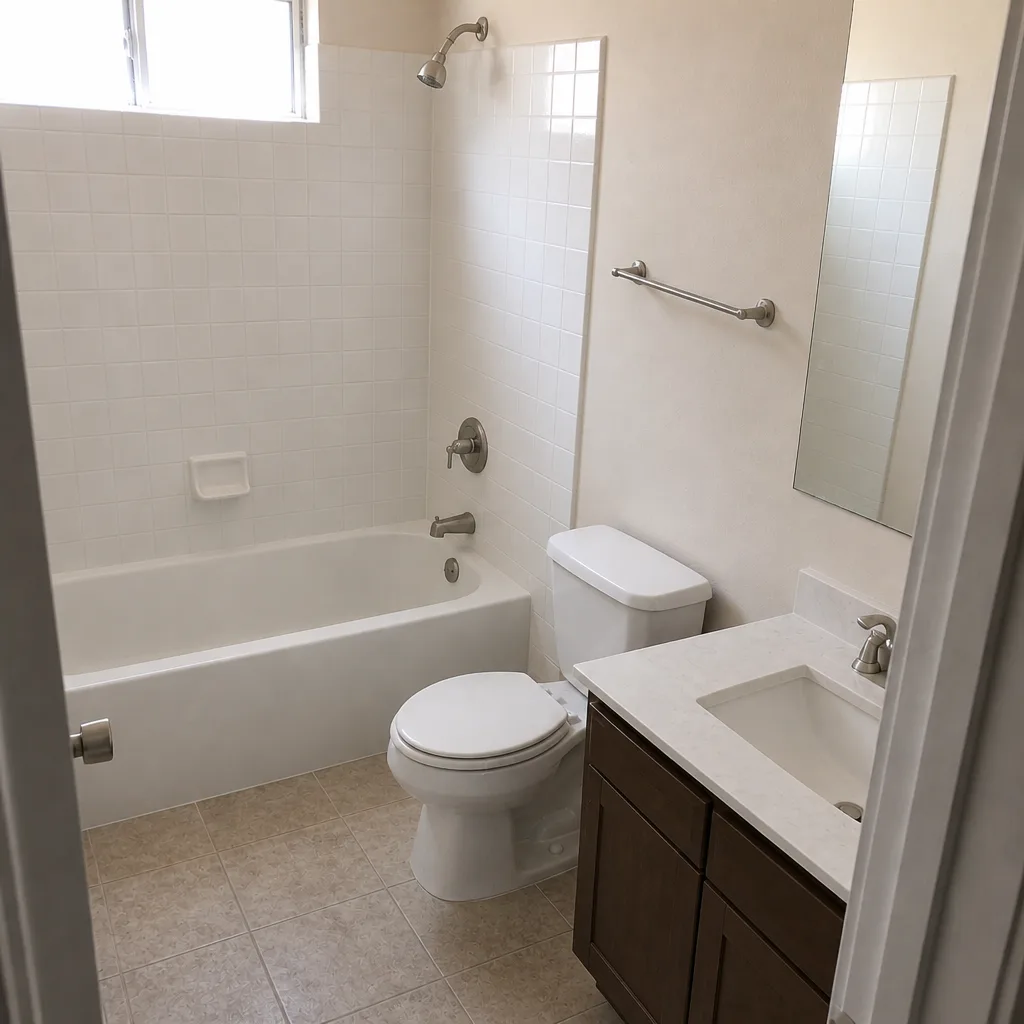
See the difference
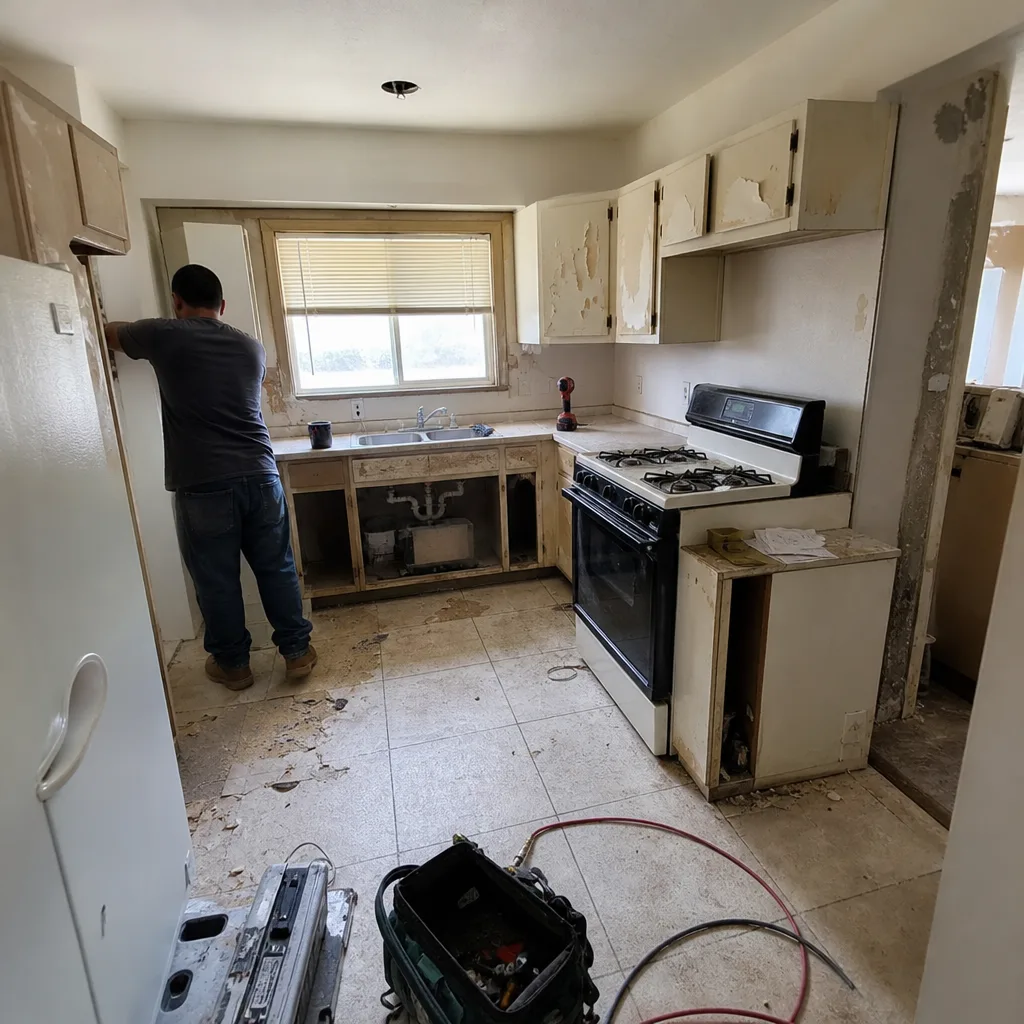 Before
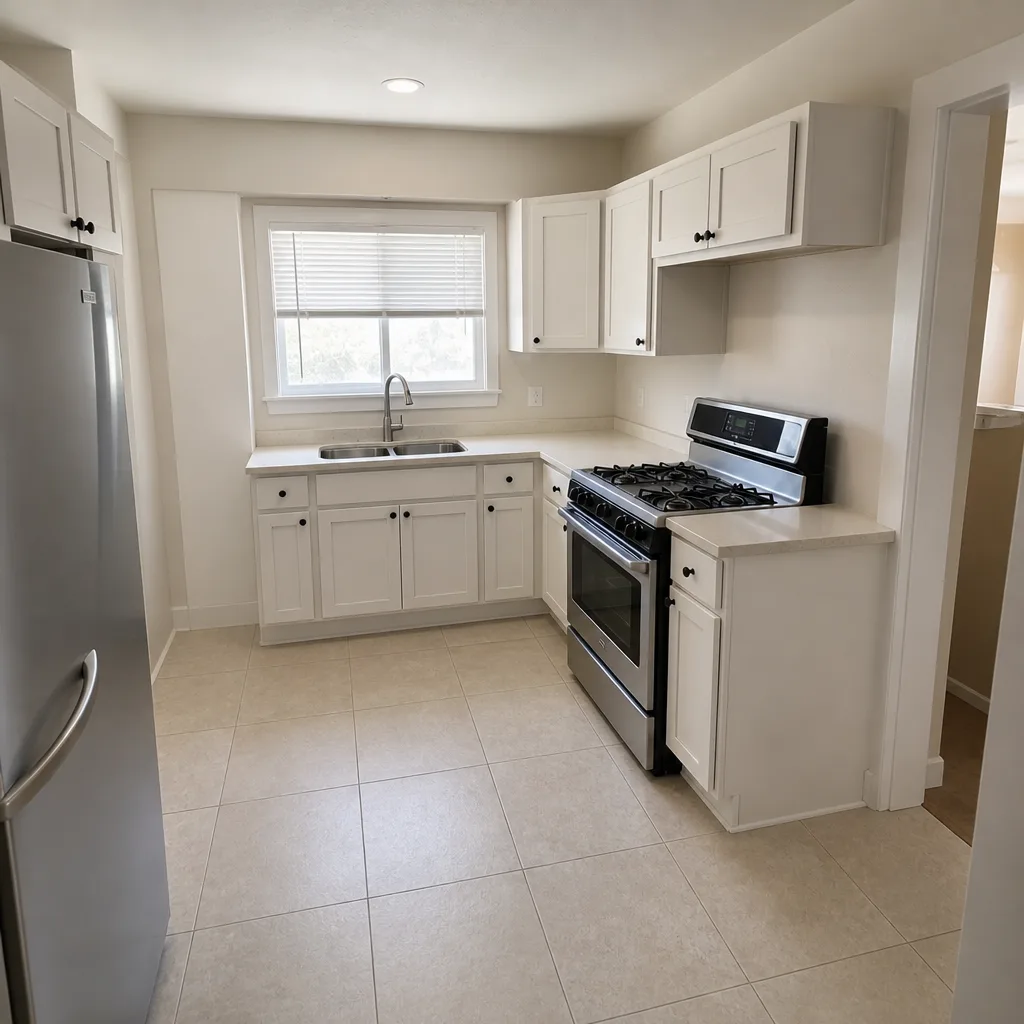 After
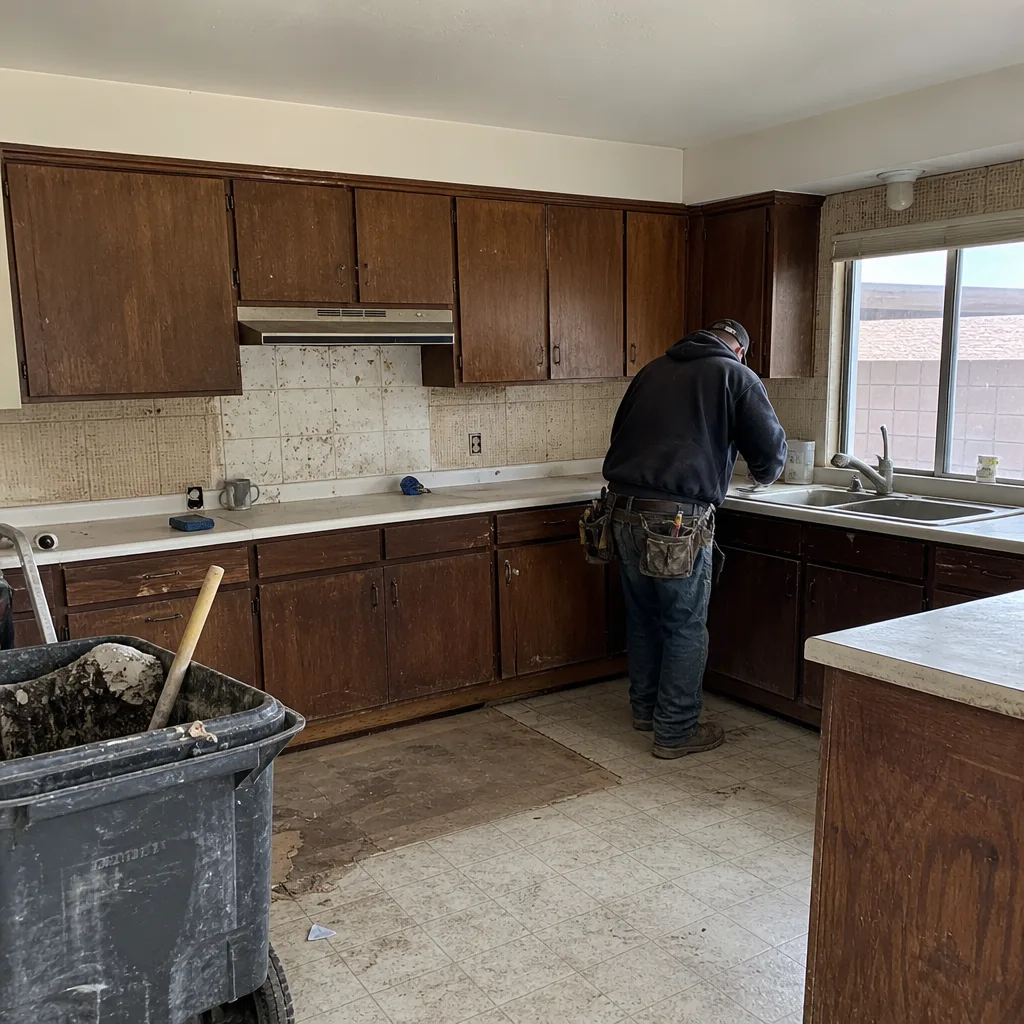 Before
 After
 Before
 After
When to Call a Professional
Call a professional when your project touches waterproofing, plumbing, electrical, or structural work; when you’re moving fixtures or changing the room’s layout; when a permit is required; or when an existing problem turns up during demolition, like a soft floor or a corroded supply line. Also call when you have children and pets and want the house protected while the work happens, because the clean-up and staging are part of the job, not a courtesy. Our Bathroom Remodeling in Boulder City team works with named-brand materials from KraftMaid, Kohler, Moen, and Schluter, and every project carries the 365-Day Done Right Promise. Elmstead Remodeling Boulder City offers free estimates in Boulder City. Call (855) 552-7882 to schedule yours.
If you’re thinking about a larger project, our Kitchen Remodeling in Boulder City page covers the same decision framework for a nearby room, and the C.A.R.E. values apply there exactly as they do here. You can also read more about our approach on our Elmstead Remodeling Boulder City home page.
Frequently Asked Questions
DIY is cheaper only when the work stays in the safe categories: painting, vanity swaps, toilet replacement, and accessory installation. Once you add shower waterproofing, tile in a wet area, plumbing changes, and electrical, the DIY path often costs more over five years because of redo risk. Professional waterproofing and tile run roughly $1,800 – $4,500, while a failed DIY shower plus mold remediation can exceed $10,000. Call (855) 552-7882 for a written line-item estimate – it’s free.
You can follow the steps, but you can’t easily verify the result, and that’s the real issue. Waterproofing failure hides behind the tile for two to five years. The three conditions that matter most, a continuous lapped membrane, a pre-sloped substrate, and correct drain integration, all fail in ways that look fine on the surface. In our experience, this is the single step where the money saved is smallest and the risk is largest.
You need a permit if the work changes plumbing, electrical, or structural systems, which includes moving a drain, relocating a sink, adding a circuit for a new fixture, or changing a tub to a shower of different dimensions. A like-for-like vanity and paint refresh typically does not require one. Unpermitted work can complicate resale, insurance claims, and manufacturer warranties, so check with the city before demolition begins. Call (855) 552-7882 and we’ll walk you through what your project needs.
Yes, and it’s a legitimate path with a clear trade-off. You take on scheduling, written scopes, license verification, permit management, and inspections, and you carry the warranty risk for the finished room. There’s no single company standing behind the work, so if a leak appears a year later, you’re the one coordinating the fix. Many homeowners find the time cost of GC’ing a Boulder City bathroom exceeds the savings.
Painting, replacing a toilet in the same spot, swapping a vanity without moving plumbing, installing a mirror, and hanging accessories are all reasonable DIY tasks. They don’t disturb the waterproofing envelope or move plumbing and electrical. Anything that opens a wall, moves a drain, or sets tile in a wet area belongs with a licensed professional. Call (855) 552-7882 if you want a second opinion on where your project’s line falls – estimates are free.
A mid-size bathroom typically takes three to six weeks from demolition to final inspection, depending on tile complexity, material lead times, and permit scheduling. The permit and inspection process adds days to the schedule, not weeks, and a well-planned project sequences the trades so nobody waits on anyone else. We answer the phone live, 24/7, so you’re never waiting until Monday for a schedule update. Call (855) 552-7882 to talk through your timeline.
The Bottom Line
Bathroom remodeling rewards a clear-eyed division of labor. Paint, swap the vanity, replace the toilet, hang the mirror, and take satisfaction in the parts you do well. Hand off the waterproofing, the drain work, the electrical, and the wet-area tile. Those are the steps where a missed detail hides for years and then presents a bill larger than the whole project. If you’re in Boulder City and want a written price before work starts, a crew that protects the floors and respects nap hours, and a 365-Day Done Right Promise on the finished room, call Elmstead Remodeling Boulder City at (855) 552-7882 for your free estimate.
Elmstead Remodeling is a Cedarwell company. Each Elmstead location is independently owned and operated and holds to the same Cedarwell Care Promise standards.
Written by the team at Elmstead Remodeling Boulder City.