Last updated November 17, 2026







Free written scope consultation - allowances, timeline, and change-order rules on paper before a single trade is scheduled
DIY vs Professional General Contractor: What’s Safe to Do Yourself
In Nevada, a homeowner can legally act as their own general contractor. That surprises most people. But here’s the part that doesn’t surprise anyone who has sold a house: the moment you list it, any unpermitted work you completed yourself becomes a disclosed defect. It can stall a sale or trigger a price reduction larger than the original project cost. This guide draws a practical line between what’s genuinely safe to handle yourself and what puts your home, your insurance, and your resale in the hands of a licensed professional. We’ll use Nevada law, Clark County permit rules, and real project categories, not vague difficulty ratings. Families in Boulder City ask us this question constantly, and the honest answer is more specific than “hire it out.”
Quick Answer
Safe DIY in Nevada means cosmetic work with no permit and no insurance exposure: painting, swapping cabinet hardware, minor landscaping, and caulking. Almost everything that touches structure, electrical, plumbing, gas, or adds square footage requires a licensed contractor under NRS Chapter 624, and an owner-builder permit shifts all liability onto you. The line isn’t about skill. It’s about permits, insurance, and resale. If the work needs an inspection or a signature on a permit, hire a licensed professional.
Styles & brands we work with
- Kitchen remodeling
- Bathroom remodeling
- Home additions & ADU
- Roofing
- Windows & doors
- Driveway & pavers
- Fence
Table of Contents
- What Nevada Law Actually Says About Who Can Build
- How Owner-Builder Permits in Clark County Shift Liability to You
- Projects That Are Genuinely Safe to Do Yourself
- How Unpermitted Work Affects Your Homeowner’s Insurance
- When DIY Costs More Than Hiring a General Contractor
- Boulder City Climate and Code Factors That Change the Math
- Permits, Inspections, and the Paper Trail Buyers Demand
What Nevada Law Actually Says About Who Can Build
Nevada regulates construction through the Nevada State Contractors Board under NRS Chapter 624. That chapter defines what counts as a contractor and requires a license for work over a certain value on a structure intended for occupancy. It also draws a narrow exception: a homeowner can work on their own primary residence. That exception is the source of most of the confusion we see in Boulder City.
NRS Chapter 624 makes it clear that once you’re building for someone else, or once a project is treated as a commercial transaction, the license requirement applies. For your own home, the state lets you build, but it doesn’t shield you from the consequences of building badly or without permits. Here’s the practical breakdown of categories:
- No license needed, no permit needed: interior painting, wallpaper removal, cabinet hardware, replacing light bulbs, planting shrubs, minor fence repair on existing footings.
- License required under NRS 624: structural changes, electrical work beyond swapping a fixture, plumbing reroutes, gas line work, roofing, and anything adding square footage.
- Owner-builder exception: you, on your own primary residence, for work you’ll do yourself. It does not extend to you hiring unlicensed helpers or selling the result as improved property.
What this means in practice: the work isn’t illegal, but you become the responsible party for code compliance, permits, inspections, and every concealed defect. A licensed General Contractor in Boulder City carries that responsibility instead, and carries insurance to back it up. If you need a company behind it, our Elmstead Remodeling Boulder City home page explains how we structure a job.
How Owner-Builder Permits in Clark County Shift Liability to You
Clark County, which covers Boulder City’s permitting relationships through its building department, issues owner-builder permits to homeowners who intend to do the work themselves. These permits are legal and legitimate. But they come with a transfer of liability that most homeowners don’t read closely. When you sign one, you certify a few things:
- You will occupy the residence for at least a year after the work is complete.
- You will perform the work yourself, or supervise it personally.
- You accept full responsibility for compliance with building codes and inspection requirements.
- You understand that any subsequent sale may require disclosure of the work and its permits.
The 365-day occupancy requirement is the one that catches families. If a job change relocates you inside the year, you’ve sign an owner-builder affidavit and now you’re selling a home with self-performed work. Some title companies and lenders will flag it. A Boulder City realtor will ask about it during listing. And the buyer’s inspector will ask for the permit record.
What an owner-builder permit does not do is give you a warranty, an insurance backstop, or a way to shift blame if an inspector rejects the work. Our technicians have up to 21 years of experience pulling and passing Clark County inspections, and we’ve walked homeowners through the difference between a permit they hold and a permit a licensed contractor holds. The second one gives you a paper trail. The first one gives you a liability.
Projects That Are Genuinely Safe to Do Yourself
We’re not going to tell you every project needs a contractor. That’s not true, and it wastes money. These categories are safe to do yourself because there’s no permit, no inspection, no structural or electrical change, and no insurance exposure if something goes slightly wrong:
- Interior painting: walls, trim, ceilings, a single room or the whole house. Takes a weekend and a drop cloth.
- Cabinet hardware and drawer pulls: swapping handles and hinges is a screwdriver job. Don’t move the holes if you’re replacing full cabinets.
- Caulking and grout refresh: tub surrounds, backsplashes, window frames. This is maintenance, not remodeling.
- Landscaping: bushes, sod repair, garden beds, mulch. Boulder City’s dry climate makes soil amendments and drip irrigation the more useful project anyway.
- Fence repairs on existing posts: reattaching a rail, replacing a picket. New post footings in Boulder City often need a permit depending on height and setback.
- Light fixture swap where no wiring changes: replacing an existing fixture with a like one. Anything involving new wiring, a new circuit, or a panel change goes to a licensed electrician.
Notice the pattern. Every project on that list leaves the permit file untouched, and none of them can fail an inspection you never had. If a task requires opening a wall, running a new line, or moving plumbing, it comes off this list. This is where families who call us for a Kitchen Remodeling in Boulder City project usually land on the honest answer: painting and hardware are theirs, and the cabinetry, countertops, and plumbing are ours.
How Unpermitted Work Affects Your Homeowner’s Insurance
Homeowner’s insurance doesn’t punish unpermitted work until you have a claim. Then it becomes a problem, and it becomes a big one. Standard policies have provisions requiring that the structure be built and maintained in compliance with applicable codes. A claim related to unpermitted work can be reduced, delayed, or denied.
The concrete scenarios we see in Boulder City:
- An unpermitted electrical panel: if a fire starts in a panel you installed yourself, the adjuster’s first question is who did the work and whether it was inspected. No permit, no easy answer.
- An unpermitted addition: if the roof over a self-built addition leaks and damages interior contents, the adjuster will determine whether the addition itself is a covered structure. It often isn’t, without permits and evidence of code-compliant construction.
- Water damage from a self-rerouted plumbing line: many policies cover sudden water damage, but a claim tied to a non-inspected installation can trigger a coverage dispute. The policy language matters, and it rarely favors the owner-builder.
What an insurer wants to see is a permit record with inspections signed off and a licensed contractor’s name on the work. Elmstead Remodeling Boulder City delivers a written price before any work starts, and that written price includes permit and inspection responsibility, which matters at claim time. Our 365-Day Done Right Promise follows every completed project, and that promise is only meaningful because the work was permitted and inspected in the first place.
When DIY Costs More Than Hiring a General Contractor
DIY is cheaper on paper and more expensive on the second pass. That’s the specific scenario where a general contractor wins on price, not just on convenience. It happens when a homeowner does the work, sells or refinances, and the buyer or appraiser finds the problem. Here’s the arithmetic for a common Boulder City case:
- Original DIY estimate: the homeowner quotes a bathroom remodel at $4,500 in materials and finishes and does the work themselves over eight weekends.
- First rework: the shower pan fails inspection nine months later because it wasn’t built to Schluter standards, adding $3,000 in demolition and redo. Time cost: another four weekends.
- Re-inspection: the corrected work needs the same inspection signs, and the homeowner pays permit renewal fees and a re-inspection charge.
- Sale discovery: the buyer’s inspector flags the plumbing rough-in as unpermitted. The seller agrees to a $6,000 price reduction to close the deal.
- Insurance gap: a subsequent leak claim is denied for lack of permits, and the homeowner absorbs the repair.
The total approaches or exceeds a professional bid. The math isn’t always that dramatic, but the pattern is: rework, re-inspection, and time. A licensed general contractor who pulls permits up front and builds to Schluter and manufacturer standards doesn’t skip those steps, and a written line-item quote makes the comparison fair. Families who call us after a DIY bathroom gone sideways often pay more than a clean Bathroom Remodeling in Boulder City project would have started at. It’s the most common call we get, and it’s the easiest one we can prevent.
Boulder City Climate and Code Factors That Change the Math
Boulder City sits in a desert climate with wind, intense summer sun, and hard soil. That affects what’s safe to attempt yourself and what should go to a licensed contractor:
- Wind and tie-downs: fencing and exterior work in Boulder City need proper anchoring for the region’s wind gusts. New fences near the setbacks often require a permit and correctly specified hardware. Brands like ActiveYards and Belgard pavers are designed for this climate, but the installation details matter.
- Sun and materials: UV exposure degrades unsealed materials faster here. Cabinets, exterior trim, and decking need the right finishes, and installing them correctly the first time keeps the manufacturer warranty valid.
- Soil and grading: hard desert soil and low rainfall mean grading and drainage matters. A patio or walkway installed without proper base prep cracks within a couple of seasons. Unilock and Tremron pavers are engineered for this, but only if the base is right.
- Shade and solar: roof-mounted solar and shade structures in Boulder City are permits and licensed-installer territory. Roof attachments create leak points, and the inspector will want to see them.
Here’s where the Boulder City factor really bites: the town’s housing stock includes older construction, and unpermitted work accumulates in older homes. An inspector will find it, and an insurer may exclude it. We’ve seen this on historic homes near the downtown core and on newer builds at the edge of town alike. If you’ve inherited unpermitted work from a prior owner, a licensed general contractor is the right call to bring it current before you sell.
Permits, Inspections, and the Paper Trail Buyers Demand
What separates a safe DIY project from a risky one is a simple test: does the work appear on a permit, and does it need an inspection? If the answer to both is no, you’re on safe ground. If either answer is yes, the paperwork trail matters as much as the finished result. Here’s how the process works when a general contractor handles it:
- Permit application: the contractor files with the Clark County building department, and the plans are reviewed for code compliance.
- Rough-in inspections: framing, electrical, plumbing, and mechanical work are inspected in sequence before walls close.
- Final inspection: the completed work is signed off, and the permit record shows a licensed professional’s name.
- Warranty documentation: manufacturer warranties for named-brand products travel with the finished project and can be verified independently.
- Resale disclosure: the permit record becomes part of your resale package. A buyer’s inspector finds a clean file, not a missing one.
Our Cedarwell Care Promise applies across every project: shoe covers and drop cloths in the house, a written price before any work starts, a photo of the clean-up before the crew leaves, and pet-safe product choices where available. For a family with children and animals in Boulder City, that matters. The house is left right, and the permit file is complete. Both go on the closing disclosure.
Common Mistakes to Avoid
- Treating the owner-builder affidavit as a formality. It’s a 365-day occupancy commitment and a liability transfer. Read it before you sign.
- Skipping the permit to keep the timeline short. An inspector will find unpermitted work at resale, and a buyer’s price reduction often exceeds the permit fee by a wide margin.
- Assuming insurance covers unfinished or unpermitted work. It usually doesn’t, and the adjuster’s first question is who did the work and whether it was inspected.
- Doing your own electrical rough-in. Panel changes and new circuits are licensed electrician territory. A swap of a like fixture is fine. A new circuit is not.
- Buying materials before the plan is agreed. Boulder City homes often have quirks (older framing, non-standard openings) that change what cabinet sizes or finishes will actually fit. The written price should come first.
- Hiring unlicensed help for owner-builder work. It voids the owner-builder protection and puts your insurance and resale at risk. If you need help, hire a licensed contractor.
- Leaving an inherited unpermitted project to “deal with later.” Realtors and inspectors ask. Fix it before you list, not after the buyer’s inspection report comes back.
See the difference
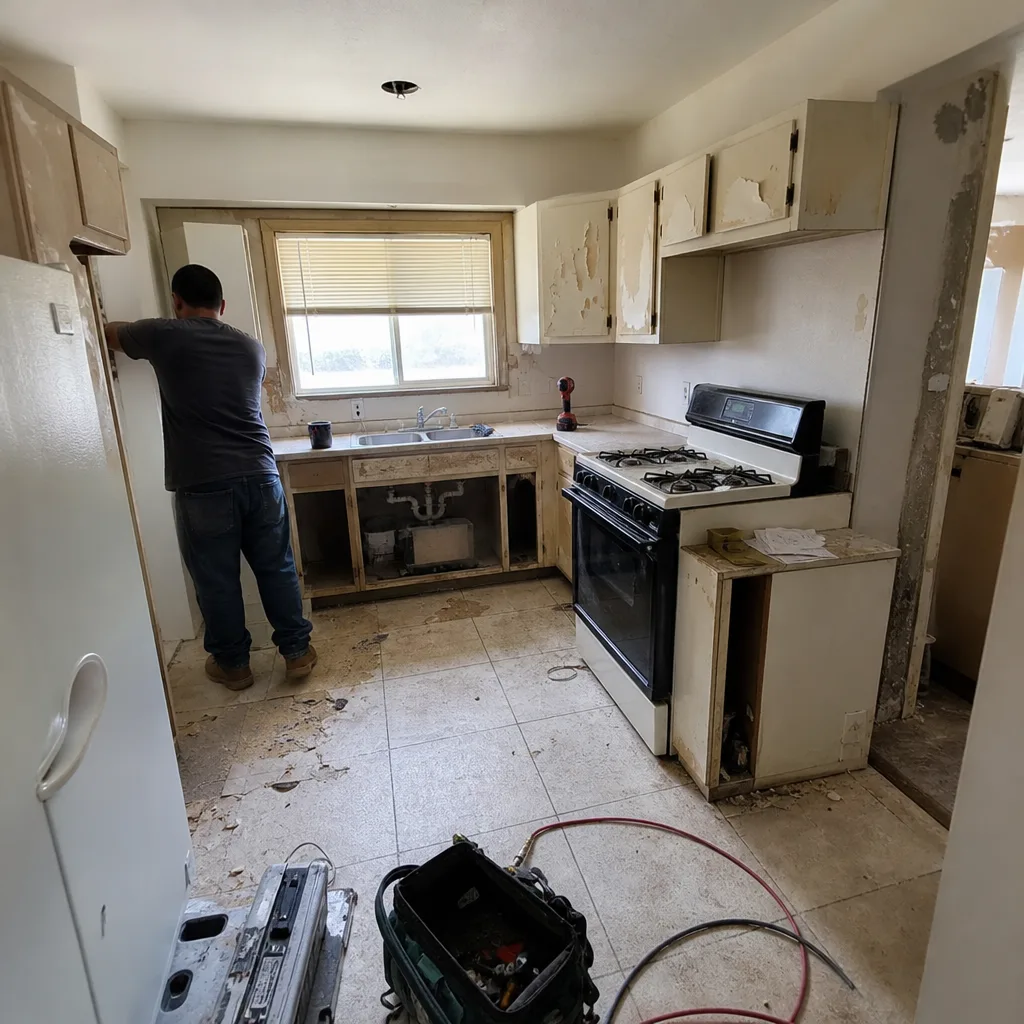 Before
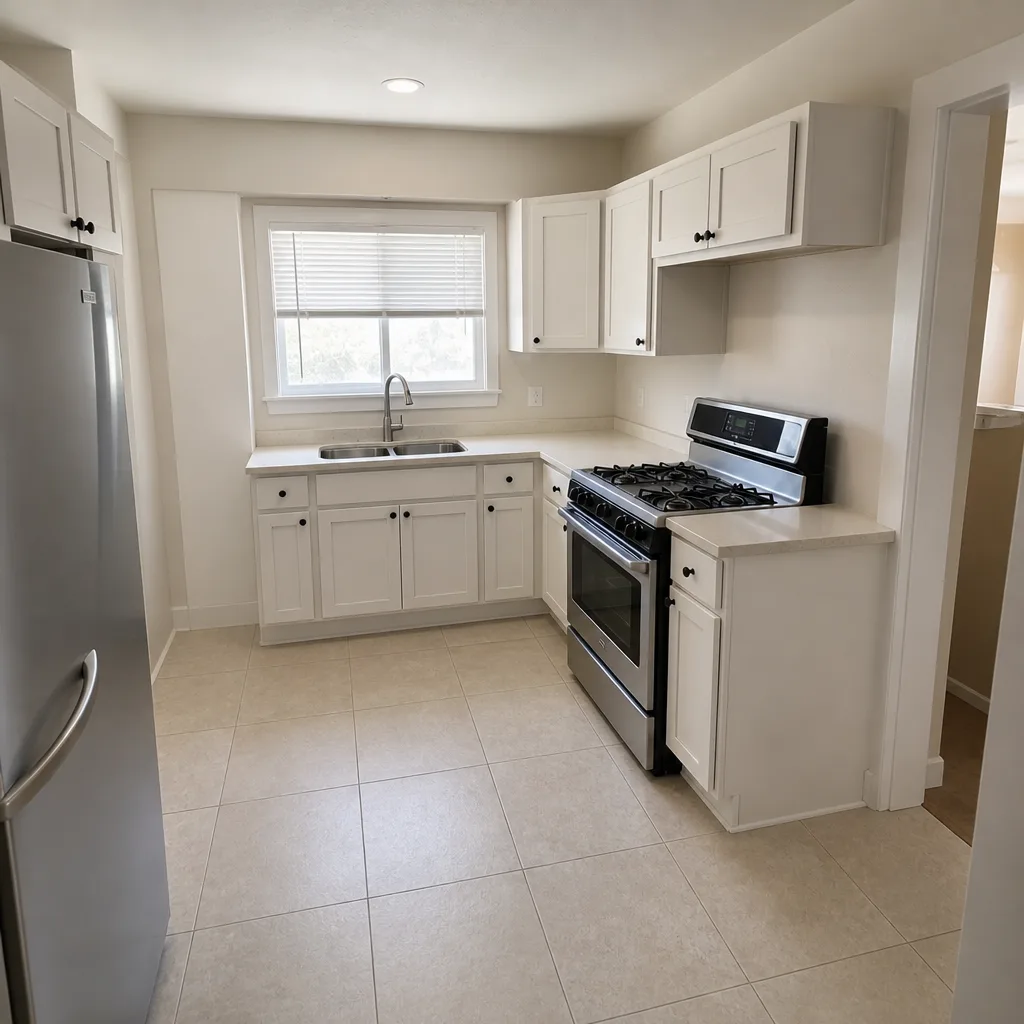 After
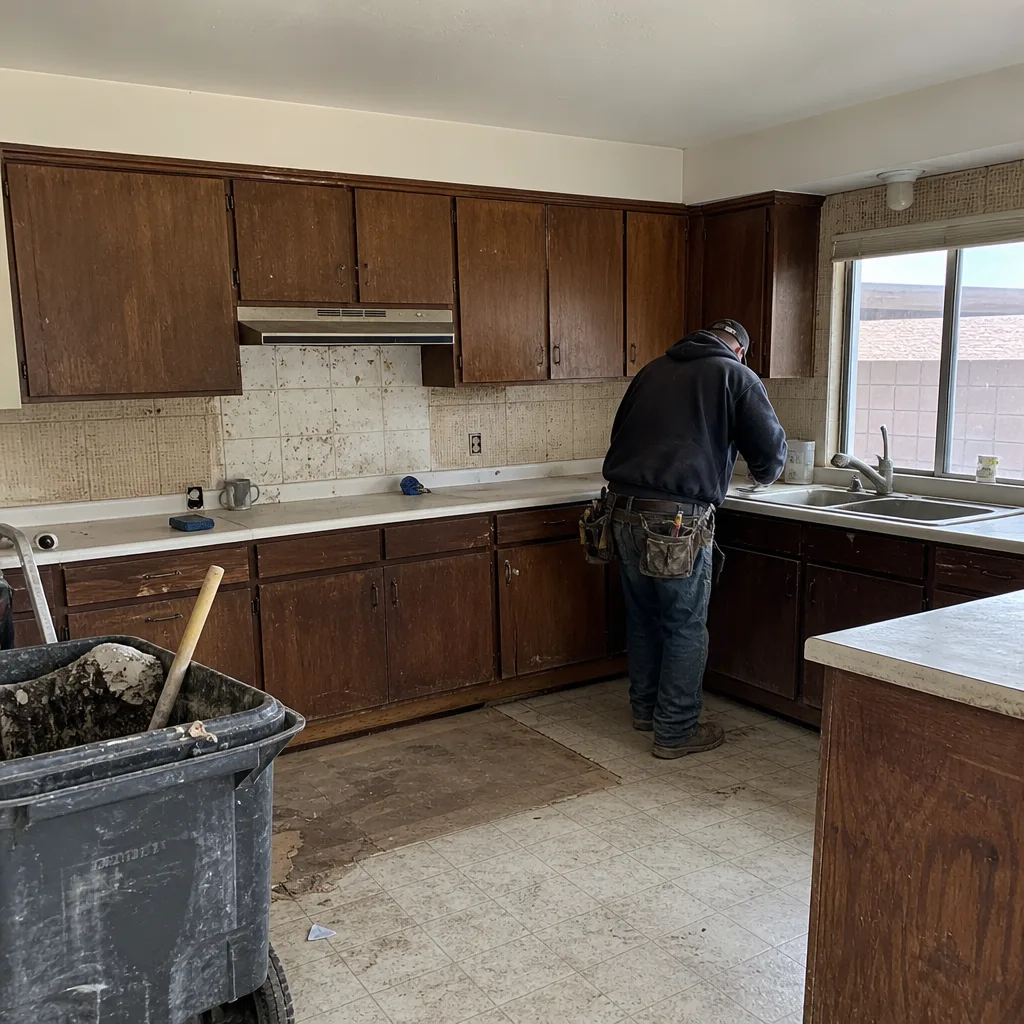 Before
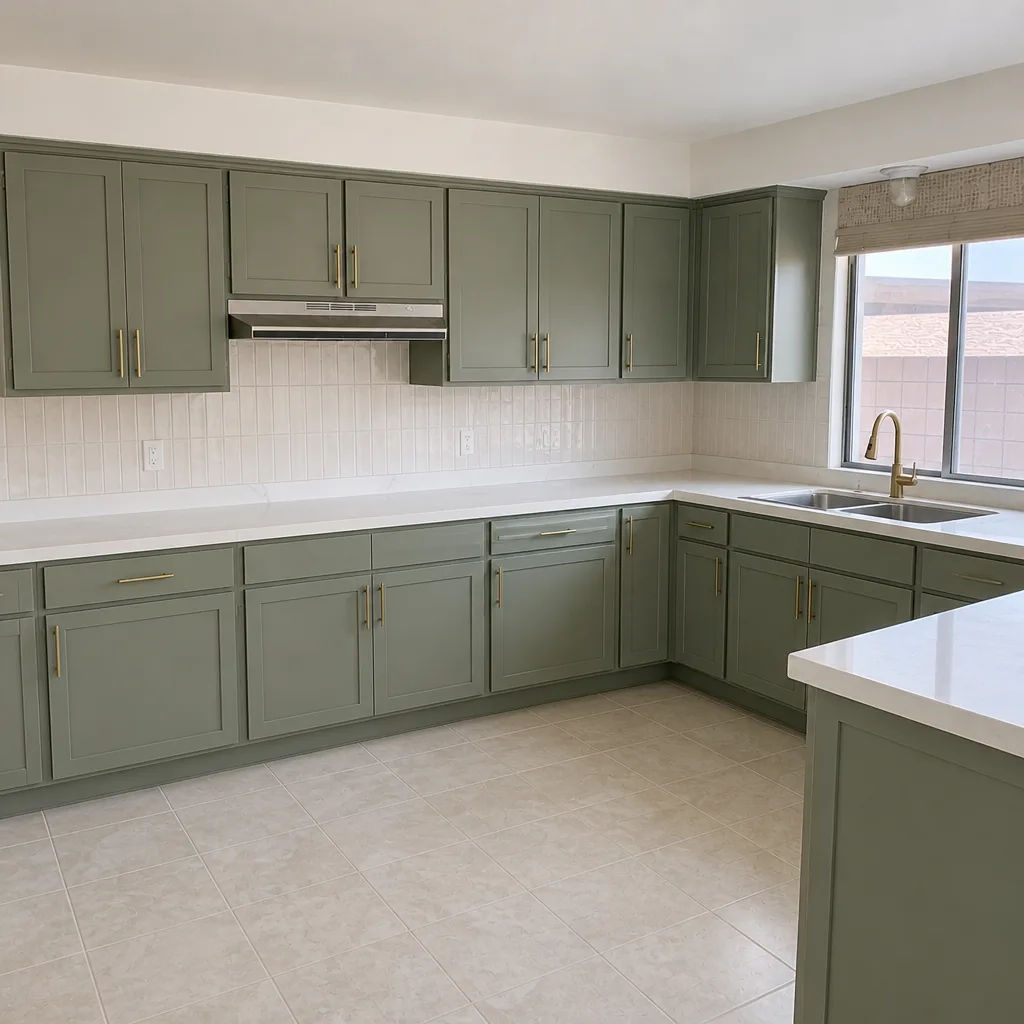 After
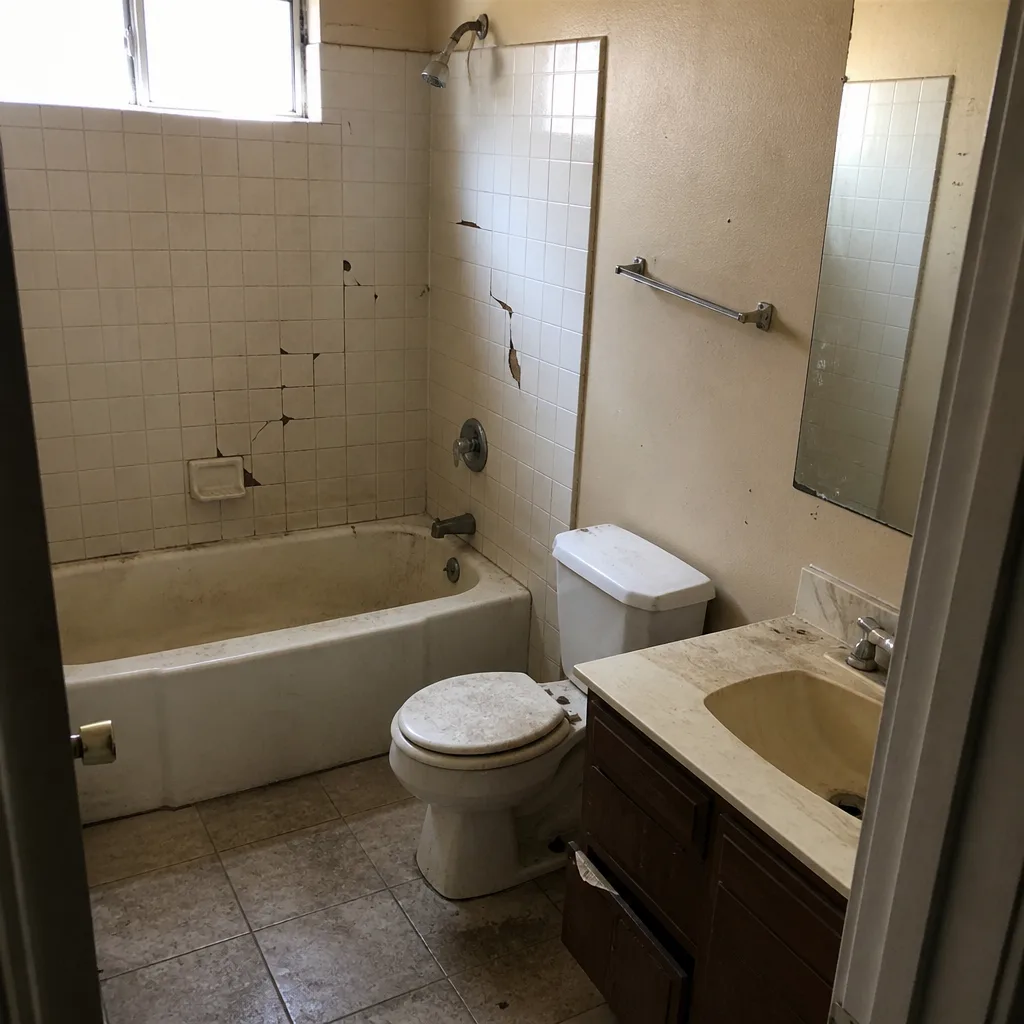 Before
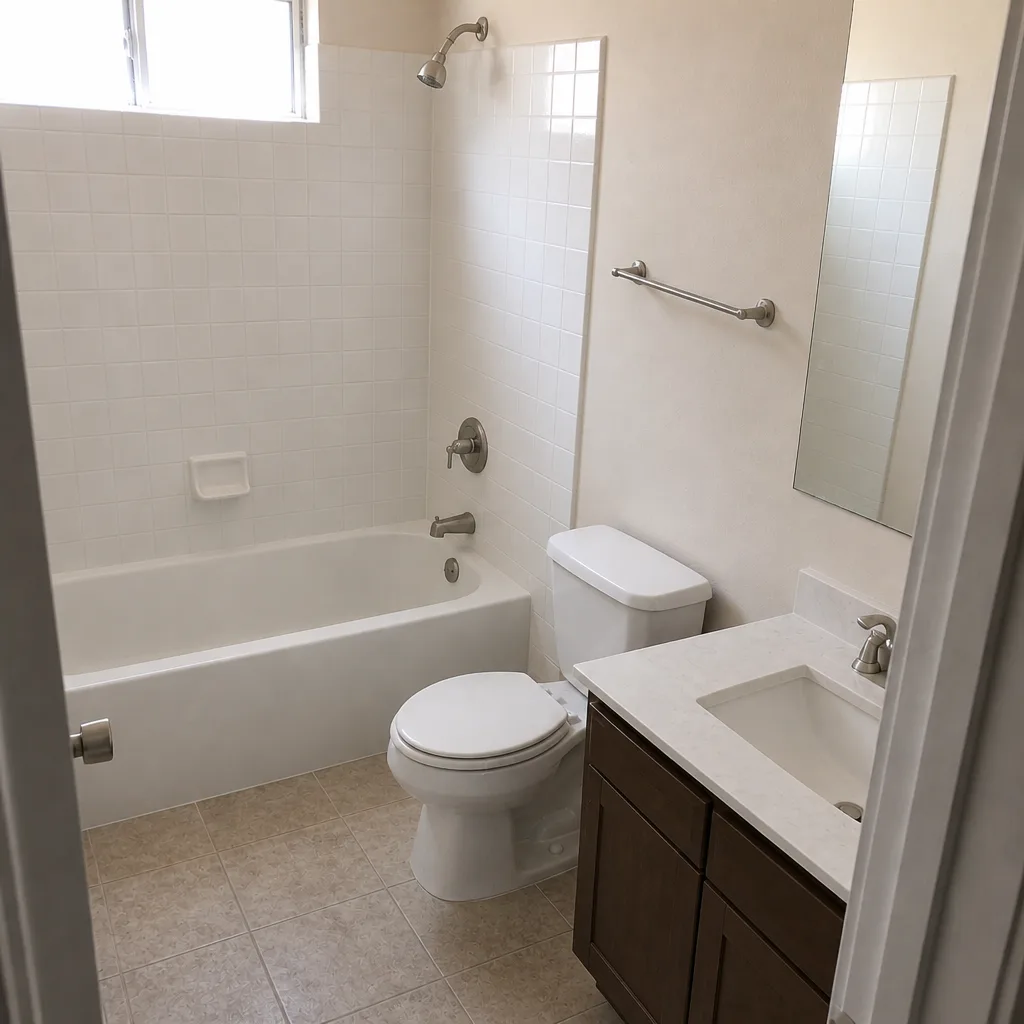 After
When to Call a Professional
Call a licensed general contractor when the work touches structure, electrical, plumbing, gas, or adds square footage. Call when the project needs a permit or inspection. Call when you’re planning to sell within a couple of years and the work will show up on the disclosure. Call when your insurance policy requires a permit record, or when a prior owner left behind unpermitted work you now own. Call when you want a written price before any work starts and a warranty that holds for 365 days. Elmstead Remodeling Boulder City offers free estimates in Boulder City. Call (855) 552-7882. A live person answers, 24 hours a day, and our technicians are background-checked and have up to 21 years of experience.
Frequently Asked Questions

Yes, under the owner-builder exception in NRS Chapter 624, if you’re building on your own primary residence and intend to occupy it for at least a year. That exception lets you pull permits in your own name, but it makes you the responsible party for code compliance, inspections, and any defect that turns up later. It doesn’t extend to hiring unlicensed help, and it doesn’t transfer liability if you sell. Call (855) 552-7882 if you’re weighing this for a Boulder City project, and we’ll walk through the specifics for free.
Structural changes, electrical work beyond a like-for-like fixture swap, plumbing reroutes, gas line work, roofing, and any project that adds square footage require a licensed contractor under NRS Chapter 624. Anything you’ll be paid to do, or that requires a commercial contract, requires a license regardless of the scope. A quick rule: if the work needs an inspection, it needs a licensed professional.
Yes. Standard policies require that the structure be built and maintained to applicable codes, so a claim tied to unpermitted work can be reduced, delayed, or denied. An unpermitted electrical panel, an addition without permits, or an uninspected plumbing reroute all create claim-time problems. The insurer wants a permit record with inspections signed off. If you inherited unpermitted work, have it brought to code before a claim or a sale, and call (855) 552-7882 for a free estimate.
Painting, swapping cabinet hardware, refreshing caulk and grout, minor landscaping, and fence repairs on existing posts are all safe to do yourself in Boulder City. None of them require a permit, appear on an inspection, or void an insurance provision. Projects that open a wall, add a circuit, move plumbing, or alter structure are not in this category. When in doubt, the permit question settles it.
Sometimes less, once you account for rework, re-inspection, and resale reductions. A DIY project that fails inspection or surfaces at resale can exceed a professional bid when the redo and price reduction are added in. A written line-item quote lets you compare against the real cost of the DIY route. Call (855) 552-7882 for a free estimate and a written price before any work starts.
Yes. Our Boulder City general contracting, bathroom remodeling, kitchen remodeling, and whole-home remodeling projects are permitted and inspected in the licensed company’s name, and the permit record becomes part of your resale package. That record is part of the value of hiring a licensed contractor, and it sits alongside the 365-Day Done Right Promise that follows every completed project.
The Bottom Line
The DIY-versus-hire decision in Nevada isn’t really about skill. It’s about permits, insurance, and what happens at resale. Painting, cabinet hardware, landscaping, and minor repairs are safe to handle yourself. Anything touching structure, electrical, plumbing, gas, or square footage belongs with a licensed contractor, and an owner-builder permit shifts the liability to you. If you’re planning to sell, refinance, or file a claim, the permit record is the difference between a clean file and a problem. Elmstead Remodeling Boulder City delivers a written price before work starts, background-checked technicians, and a 365-Day Done Right Promise on every project.
Ready to talk through your project? Call (855) 552-7882 for a free estimate. A live person answers, shoes come off or covers go on at the door, and drop cloths protect the floors from the first visit. We’ll explain the price before any work starts, and we’ll leave a photo of the clean-up as proof the home was left right for your family and pets.
Written by the team at Elmstead Remodeling Boulder City.