Last updated November 17, 2026







Free written scope consultation - allowances, timeline, and change-order rules on paper before a single trade is scheduled
Construction Permits, Codes & Inspections in NV: What You Need to Know
Nevada adopted the 2018 International Building Code as its base, but the state document is only the first layer of what governs your project. Boulder City’s local amendments add requirements for desert thermal performance and seismic bracing that don’t appear in the state code, and the city’s plan checkers apply both at the same time. We’ve watched homeowners move plans from Henderson to Boulder City and get them back covered in red marks for a code section they never knew existed. This guide walks through every layer – state, municipal, and utility – so you know which one controls your project, which jobs need a permit, how the inspection sequence runs, and what unpermitted work can do to a home sale or an insurance claim.
Quick Answer
In Nevada, construction is governed by a base code (the 2018 IBC/IRC with state amendments) layered with municipal amendments and separate utility permits. In Boulder City, most remodeling work that touches structure, electrical, plumbing, gas, or energy performance needs a municipal permit pulled through the city, and the plan checker applies both state and local code simultaneously. A water heater swap or a new window package still requires inspection even when the job feels small.
Styles & brands we work with
- Kitchen remodeling
- Bathroom remodeling
- Home additions & ADU
- Roofing
- Windows & doors
- Driveway & pavers
- Fence
Table of Contents
- The Three Kinds of Permit Nevada Homeowners Confuse
- Which Boulder City Remodels Are Exempt, and Which Aren’t
- How the Inspection Sequence Actually Works
- Nevada Energy Code and Your Window and Insulation Upgrades
- Seismic Bracing and Boulder City’s Local Amendments
- What Happens if Unpermitted Work Is Discovered
- Retroactive Permitting in Clark County
The Three Kinds of Permit Nevada Homeowners Confuse
Homeowners ask us whether they need “a building permit.” Usually they need one of three things, and sometimes all three at the same time. Understanding the difference is the practical starting point for any project in Boulder City and across Clark County.
- Nevada state permits apply to specific regulated scopes such as certain manufactured structures and specialized systems. These are issued through state agencies, not the city.
- Boulder City municipal permits cover most residential construction within city limits – additions, structural changes, electrical panels, plumbing alterations, and energy-related upgrades to the envelope. The city’s plan check applies adopted codes plus its local amendments.
- Utility-connection permits are issued separately by the utility and often involve the electrical service upgrade, the gas meter relocation, or the water line tap. These run on their own timeline and can hold up the final inspection even when the building permit is signed off.
We’ve seen a bathroom addition require all three: a municipal permit for the structural work and plumbing, a utility sign-off when the electric service was upgraded to handle a heated floor mat, and a separate water district inspection for the new line. Each runs on its own clock. A crew that only pulls the first one is going to be standing still in a driveway two weeks later.
For projects in Boulder City specifically, the municipal permit is almost always the one that governs the timeline. The city’s plan check process is deliberate, and reviewers will not let a plan through if the envelope calculations don’t match the local thermal amendment. Get those right on the submitted drawings and the review moves; get them wrong and you’re starting over. When a project here involves structural or envelope work, the sequence starts with the General Contractor in Boulder City pulling permits before any crew lifts a hammer.
Which Boulder City Remodels Are Exempt, and Which Aren’t
There is a persistent myth that a water heater swap is “too small” for a permit. It isn’t. Boulder City and Clark County both treat water heater replacement as a permitted job because it involves gas or electrical connections, pressure relief, and seismic strapping. The strapping alone is a code item – it’s not optional.
Genuinely exempt projects are narrower than most people assume:
- Cosmetic work such as paint, wallpaper, tile, and flooring that doesn’t affect structure or services
- Cabinet and fixture replacements that don’t move plumbing or gas lines and don’t alter electrical circuits
- Replacing a front door with the same-size door in the same opening
- Minor repairs to decks and patios under a certain size threshold, provided they are not attached to the structure
Projects that feel small but are not exempt:
- Water heater replacement (gas and electric alike)
- Replacing a window with one that changes the glazing performance, because it affects the energy envelope
- Adding an outlet or changing a circuit in a bathroom or kitchen
- Removing any wall that might be load-bearing – even a “short” one
- Installing a new range hood that vents through the exterior wall
We’ve watched families in Boulder City discover mid-project that the water heater they replaced last summer was never permitted, and that the eventual sale of the house would flag it. It’s a small permit. It’s worth pulling. If your project includes kitchens or bathrooms, the Bathroom Remodeling in Boulder City page walks through the specific scope items that need review.
How the Inspection Sequence Actually Works
Inspections happen in a fixed sequence. Miss one and the next one doesn’t happen, regardless of how ready your crew is.
- Rough-in inspection – performed after framing, electrical, plumbing, and mechanical are in place but before any wall covering. This is where the inspector sees the wiring that will never be visible again.
- Insulation inspection – verified after the insulation is installed and before drywall goes up. In Boulder City, the R-value has to match the energy code specific to the climate zone.
- Framing inspection – sometimes combined with rough-in, sometimes separate, depending on the scope. This is where seismic bracing, shear panels, and header details are verified.
- Final inspection – after all finishes are complete, fixtures are set, and utilities are connected and tested. This sign-off is what closes the permit and clears the file.
What a failed inspection actually costs is more than the re-inspection fee (which in most Clark County jurisdictions runs around $50 – $150 depending on the scope). It costs days. A failed rough-in means the crew pulls back out, waits for the schedule to reopen, and the drywall wait starts over. Two or three failed inspections on a mid-size remodel can add two to three weeks to the calendar and put a family out of their kitchen or bathroom longer than the written schedule said. The failure almost always traces back to a detail that was visible on paper – missing seismic straps, wrong R-value, an unsealed penetration.
Nevada Energy Code and Your Window and Insulation Upgrades
Nevada’s energy code – including the provisions in Chapter 704B for certain utility-connected projects – sets the performance baseline for windows, insulation, and the envelope. In Boulder City’s climate, that baseline is not optional even when the homeowner is “just replacing a window.”
What this means for common projects:
- Window replacement – the U-factor and solar heat gain coefficient have to meet the climate-zone threshold. An upgraded window that doesn’t meet both is going to fail the energy portion of the plan check, even if it’s a beautiful product.
- Insulation upgrades – the R-value in walls, ceilings, and floors is verified at insulation inspection. Adding depth without updating the plan can get a correction notice.
- Ductwork and HVAC changes – if the ducts are opened or moved, they must meet current sealing requirements.
- Additions – a new conditioned space has to meet both the energy code and the seismic bracing amendments for the walls and roof connections.
The reason this matters in Boulder City more than most people realize: this climate swings from triple-digit summer afternoons to below-freezing winter nights, and the envelope is doing real work year-round. Insulation and window performance aren’t aesthetic upgrades here – they’re the difference between a house that holds its temperature and one that doesn’t. In our experience, plan reviewers in Boulder City will ask for the specific glazing numbers on the spec sheet, not a range. For kitchen and whole-home scopes, the Kitchen Remodeling in Boulder City page touches on how the envelope work gets sequenced with the interior build.
Seismic Bracing and Boulder City’s Local Amendments
Nevada sits in a seismically active region, and Boulder City’s amendments add bracing requirements for water heaters, structural wall connections, and certain built-in features that go beyond the base state document. The base is the 2018 IBC – the city layers on top of it.
Where you’ll see the local amendments most in residential work:
- Water heater strapping – two straps, upper and lower third, anchored to the structure, not just to drywall. This is inspected every time.
- Shear wall bracing in additions – the connection between new framing and the existing structure has to be documented, not assumed.
- Heavy built-ins – oversized bookshelves, wall-hung vanities, and large tile in showers can trigger anchoring requirements.
- Masonry and block walls – any new masonry construction has minimum reinforcement standards that the city reviews separately.
Prefabricated and modular approaches have their own review process, and products from Dvele and Mighty Buildings come with documentation packets that have to clear the city’s plan check before assembly on site. The approval path is real; it just requires a submission that matches local amendments rather than only the state base code.
What Happens if Unpermitted Work Is Discovered
Unpermitted work is discovered more often than homeowners expect – at a sale, at an insurance claim, at a refinance, at a neighbor’s complaint. The consequences depend on where it surfaces.
- At sale – a buyer’s inspector will flag work without a permit, and most lenders will not write a loan on a home with open or unresolved permit issues. The seller either retroactively permits the work or credits the buyer, and the credit typically runs tens of thousands of dollars on a major remodel.
- At an insurance claim – if a fire, water loss, or structural failure traces back to unpermitted work, the carrier can deny the claim under the “faulty workmanship or code violation” exclusion. This is where a $900 unpermitted water heater becomes a five-figure loss.
- At a refinance – an appraiser will note unpermitted additions, and the appraisal value often reflects the open permit file.
- At a resale of the neighborhood – when a nearby house in Boulder City gets flagged at sale, neighbors usually find out, and the discovery process ripples.
If you’re buying a home in Boulder City, ask the seller for the permit history on any work done in the last ten years. It’s a phone call to the city building department. Do it before you close.
Retroactive Permitting in Clark County
If a homeowner discovers unpermitted work – sometimes years after moving in – retroactive permitting is the path back to a clean file. In Clark County, the process generally runs in this order:
- File a retroactive permit application with the city or county jurisdiction that covers the property. For a home inside Boulder City limits, that’s the city.
- Provide documentation of the existing work – photos, dimensions, and in some cases a report from a licensed engineer or inspector confirming the work meets current code or can be brought to it.
- Open walls where necessary so the inspector can see the framing, wiring, and plumbing that were covered. This is where the cost jumps; the family may need to temporarily move out of the affected room for a few days.
- Correct any code deficiencies the inspector identifies. Seismic strapping, GFCI protection, and energy envelope items are common correction items.
- Pass a final inspection and receive the permit sign-off, which clears the file for future sale, insurance, and refinance.
Retroactive permitting is a real process and it works, but it’s slower and more invasive than pulling the permit up front. If you’re looking at a home with unresolved work, the cost to legalize it is often higher than the original job would have been. The Elmstead Remodeling Boulder City home page lays out how we start projects with the permitting path already mapped. Most retroactive cases we see could have been avoided with a phone call before the first nail went in.
Common Mistakes to Avoid
- Assuming a “small” job doesn’t need a permit. Water heater replacements, window swaps, and outlet additions all need review, and skipping one costs far more to legalize later than to permit up front.
- Pulling the state permit and forgetting the utility one. The building permit gets signed off, the final is scheduled, and the utility connection is still open – the project stalls in the driveway.
- Submitting plans without the energy code numbers. In Boulder City, the plan check will ask for the specific U-factor and R-value, not a product name or a range.
- Skipping seismic strapping on the water heater. A $20 strap and 10 minutes of work at rough-in. If it’s missed, the insulation inspection fails and the drywall wait restarts.
- Treating an inspection failure as a small fee. The re-inspection is $50 – $150. The schedule loss is two to three weeks on a mid-size remodel, which is the real cost.
- Not asking for the permit history on a home you’re buying. A phone call to the city building department before you close is the cheapest due-diligence step available.
- Waiting until sale to legalize unpermitted work. Retroactive permitting opens walls and moves timelines. On a Boulder City home, doing it before the listing is far easier than during escrow.
See the difference
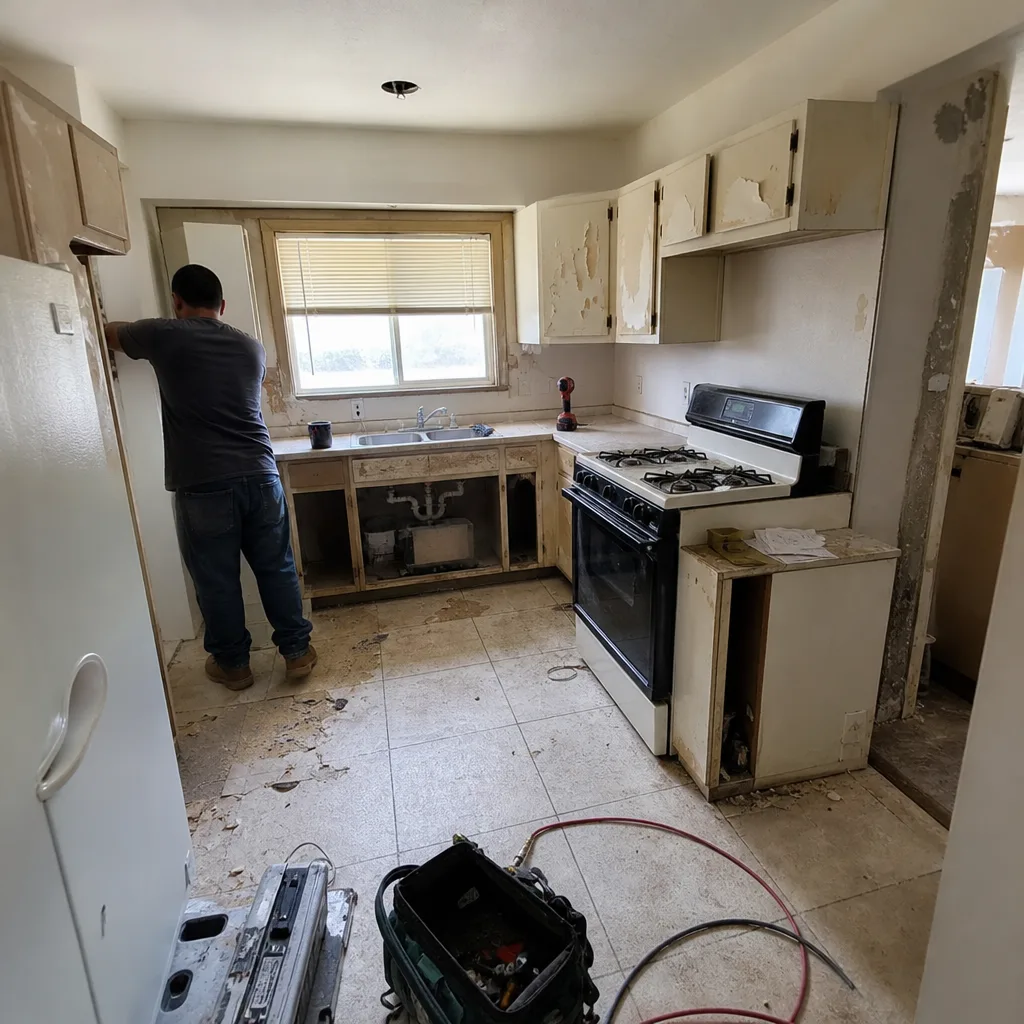 Before
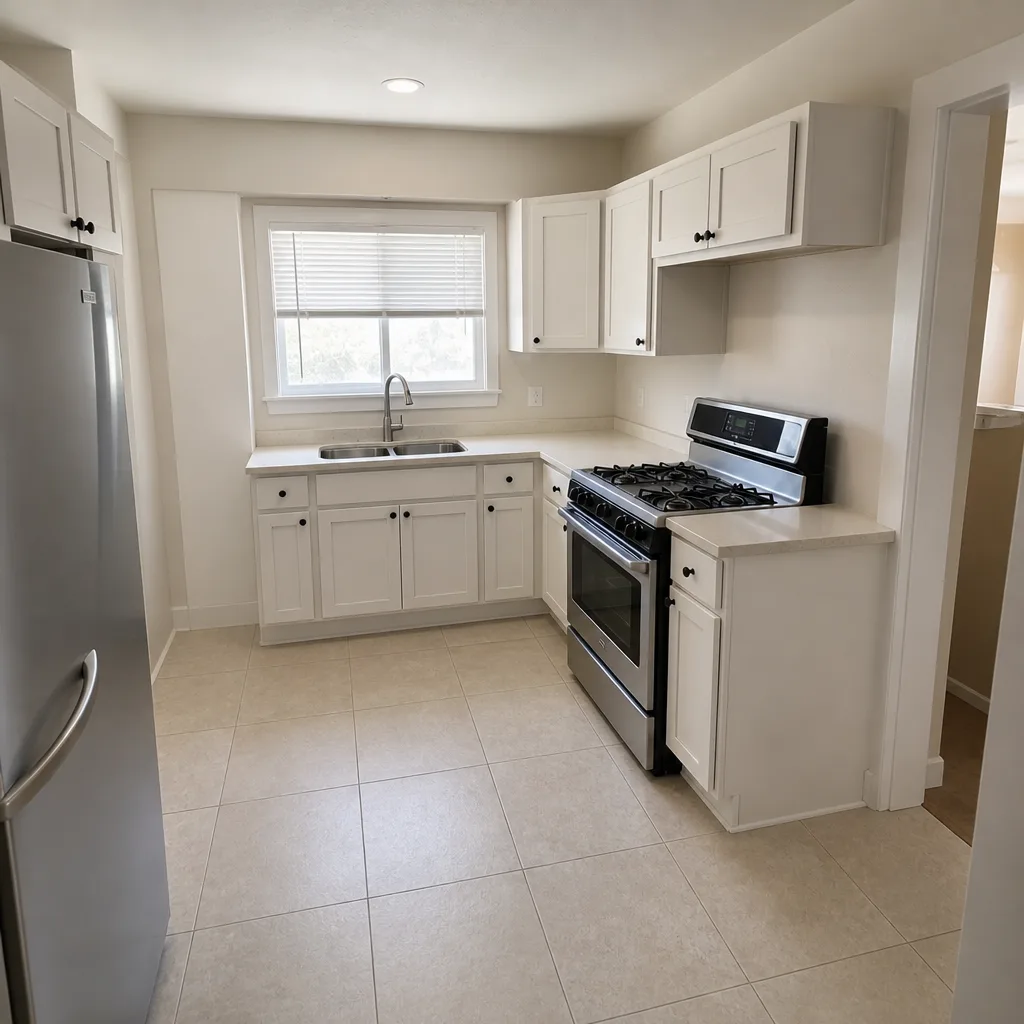 After
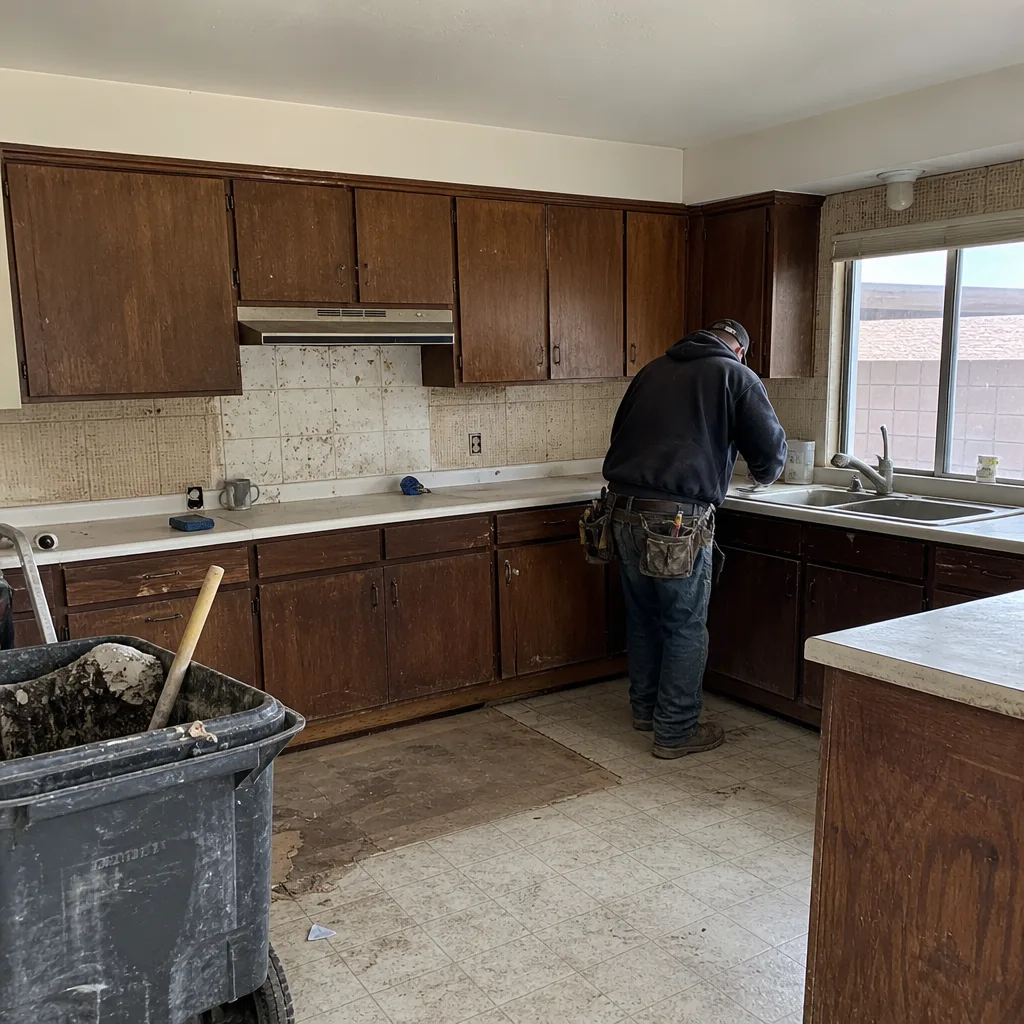 Before
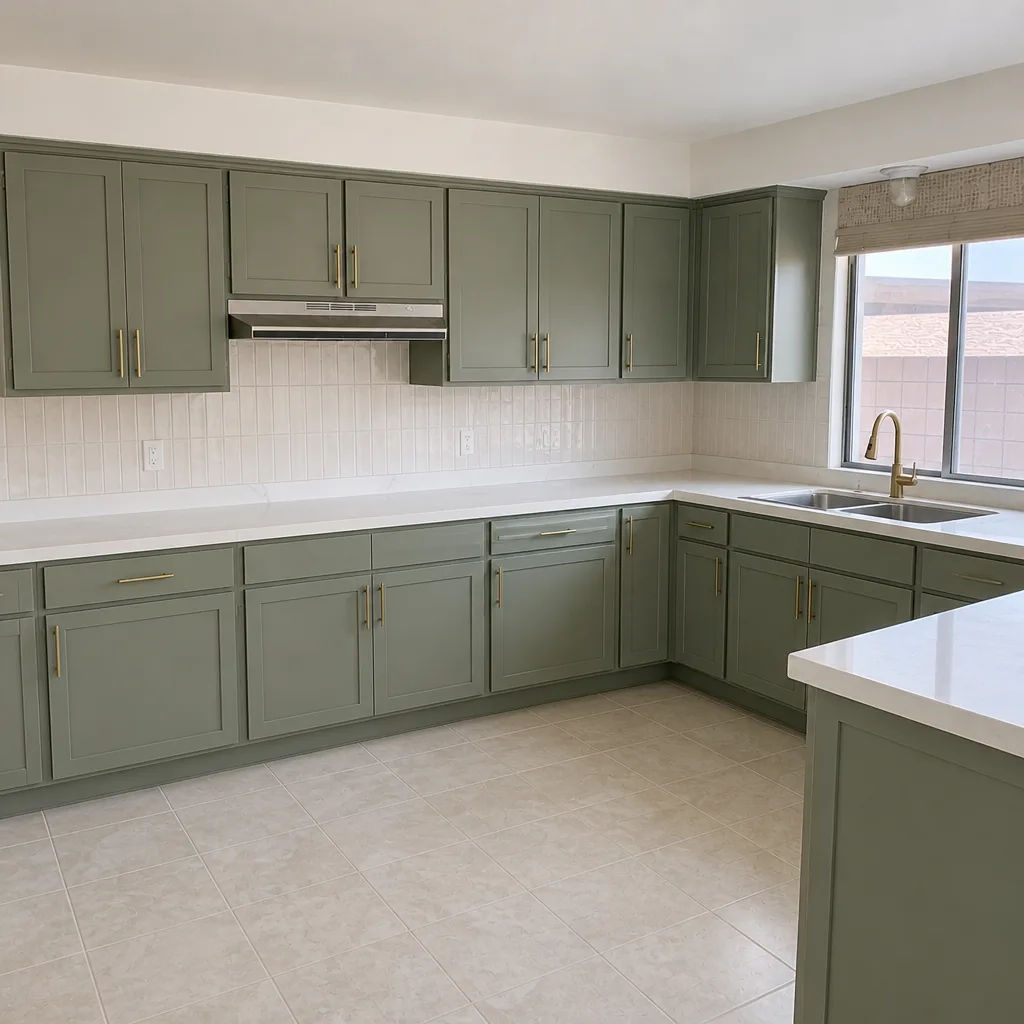 After
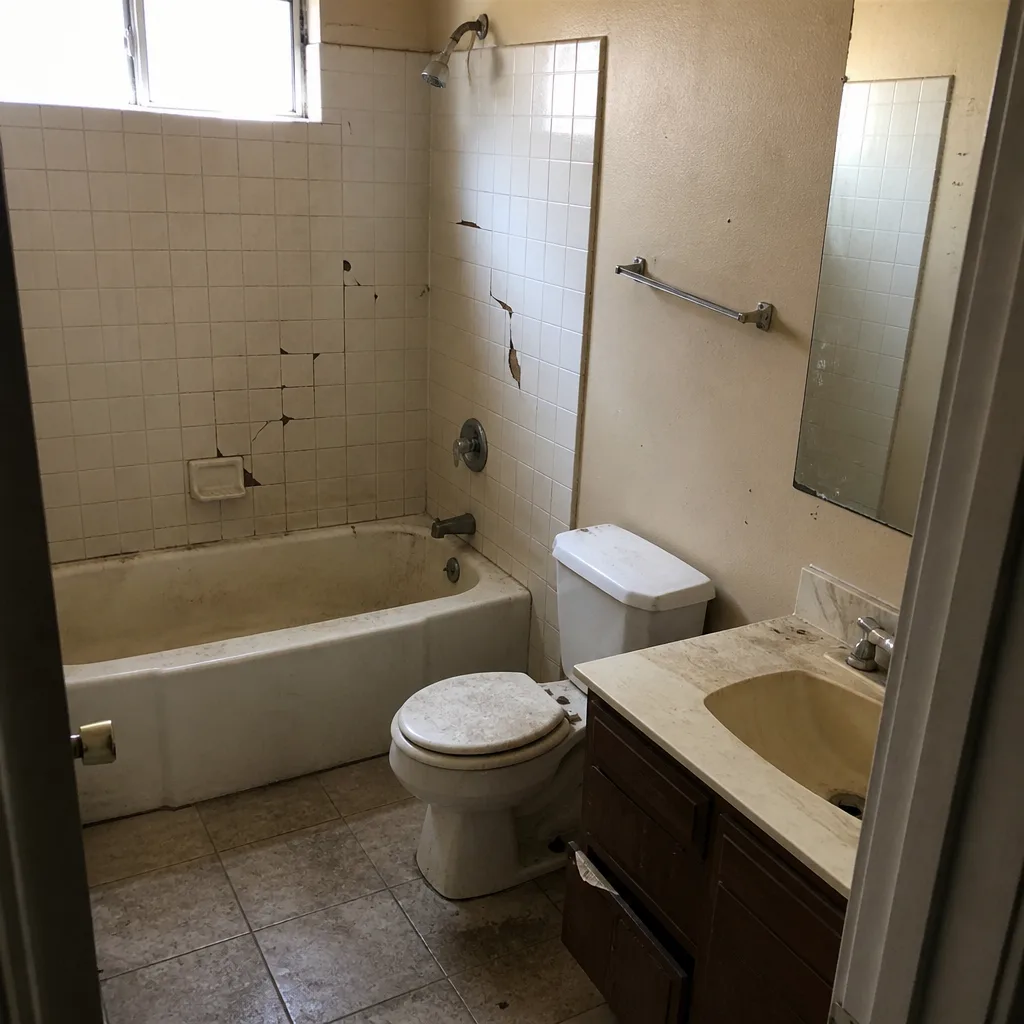 Before
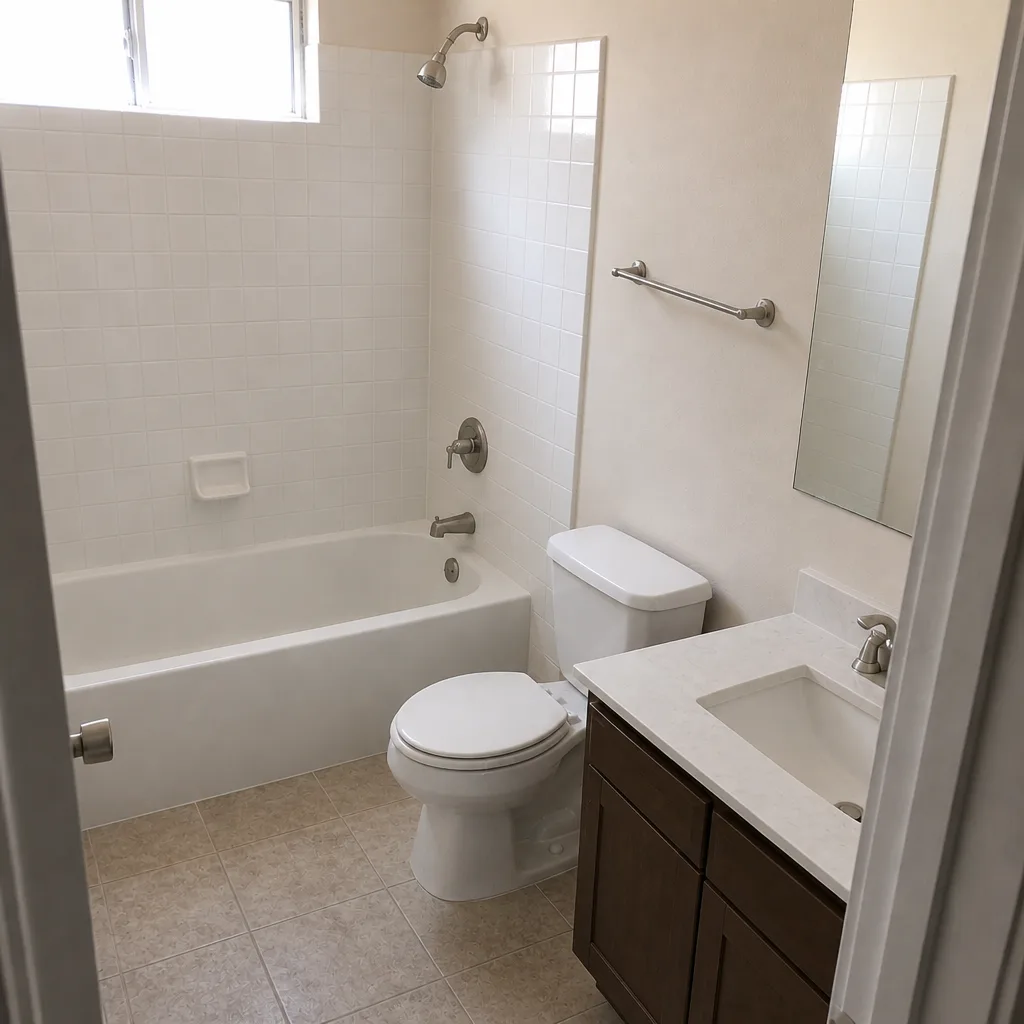 After
When to Call a Professional
Call a licensed contractor when your project touches structure, electrical service, plumbing, or the building envelope. Water heater replacement, panel upgrades, window packages, additions, and any wall removal all sit in the zone where a permit is required and a mistake is expensive. Seismic bracing on heavy built-ins and any gas-line work belongs with a trained technician – the liability is real, and the code is specific. If you’re buying a Boulder City home and the permit history is unclear, get a contractor to review the file before you close, because legalizing it after the fact is much more painful. Elmstead Remodeling Boulder City offers free estimates in Boulder City – call (855) 552-7882.
Frequently Asked Questions

Yes. Water heater replacement – gas or electric – is a permitted job in Boulder City because it involves gas or electrical connections, pressure relief, and seismic strapping. Skipping the permit creates a problem at sale and at insurance claim time, and retroactive permitting is more expensive than the original job. Call (855) 552-7882 for a free estimate on a permitted replacement.
Yes. Window replacement in Nevada requires the glazing to meet the climate-zone U-factor and solar heat gain coefficient thresholds under the state energy code. Boulder City’s plan checkers will ask for those specific numbers, not a product name, so the spec sheet matters. Call (855) 552-7882 to walk through your window package with us.
A state permit covers specific regulated scopes issued through state agencies, while a Boulder City municipal permit covers most residential construction inside city limits and applies adopted state codes plus local amendments. Most remodel projects need the municipal permit, and many also need a separate utility-connection permit. Call (855) 552-7882 to sort out which ones your project needs.
A failed inspection typically adds two to three weeks to a mid-size remodel once the re-inspection is scheduled and the crew has to wait for the next slot. The fee itself is usually $50 – $150, but the timeline cost is what hurts. Call (855) 552-7882 for a written plan that builds inspection windows into the schedule from day one.
Yes. Clark County and the City of Boulder City both have a retroactive permitting process that involves an application, documentation, opening walls as needed, and a final sign-off. It works, but it’s slower and more invasive than permitting up front, so it’s worth doing before a listing or refinance. Call (855) 552-7882 for a free estimate on legalizing existing work.
Usually not. Most carriers exclude losses that trace back to unpermitted work or code violations, which is why a $900 water heater swapped without a permit can become a five-figure loss on a claim. The permit file is what your carrier will ask for. Call (855) 552-7882 if you’re not sure where your home’s permit history stands.
The Bottom Line
Nevada’s code is layered – state base, municipal amendments, and utility permits – and the project only moves as fast as the slowest of the three. In Boulder City, that means the energy code numbers, seismic strapping, and inspection sequence all have to line up on paper before the first nail goes in. The jobs that feel too small to permit (water heater, window package, outlet addition) are exactly the ones that create the biggest problems at sale or claim time. Legalizing after the fact works, but it’s slower and more expensive. The shortcut is always pulling the permit up front. Our technicians have up to 21 years of experience navigating this process in Boulder City, and every project we run starts with the written price and the permitting path mapped before any crew arrives.
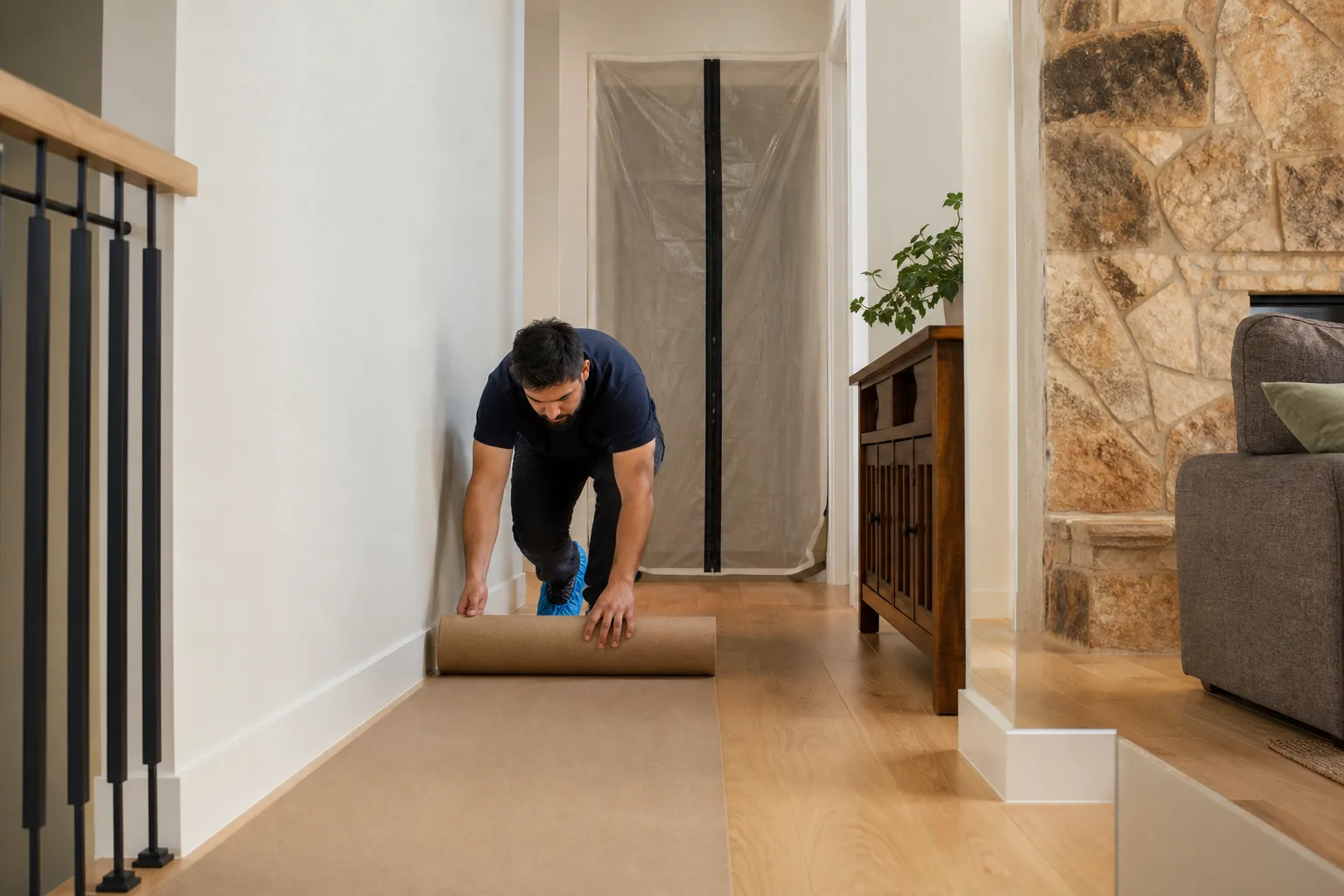
Ready to get a permit-ready plan for your Boulder City project? Call Elmstead Remodeling Boulder City at (855) 552-7882 for a free estimate. The phones are answered by a live person, 24/7, and the written price comes before any work starts – no estimates that grow after the crew arrives. Every job carries the 365-Day Done Right Promise, and every visit includes shoe covers, drop cloths, and a photo of the clean-up before we leave.
Written by the team at Elmstead Remodeling Boulder City.